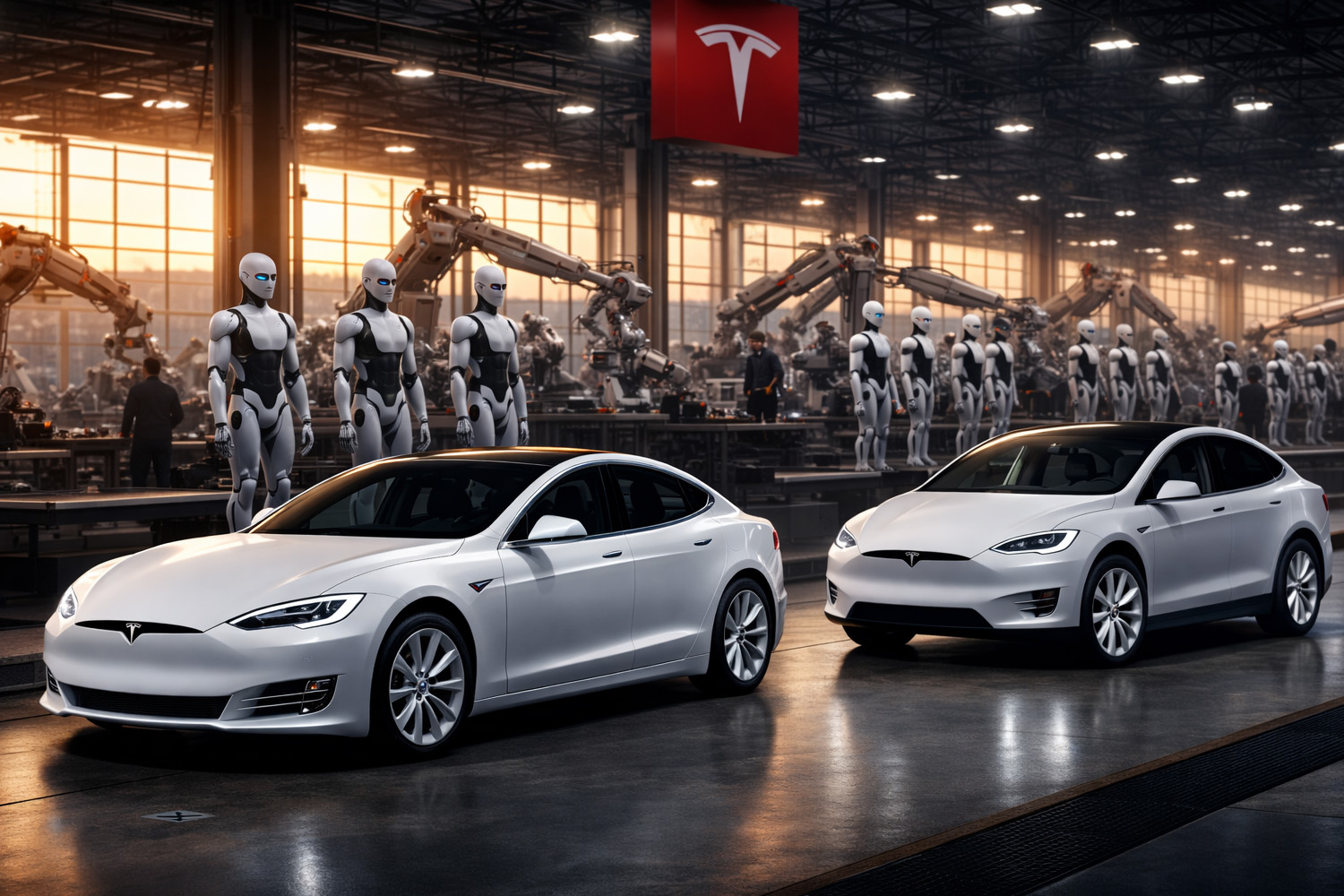
January 30, 2026 — Tesla has confirmed it will stop producing its iconic Model S sedan and Model X SUV in the second quarter of 2026 as part of a strategic shift toward artificial intelligence and robotics. CEO Elon Musk revealed the decision during Tesla’s Q4 2025 earnings call, saying the move will free up valuable manufacturing space at the company’s Fremont, California factory for large-scale production of the Optimus humanoid robot.
What’s happening
- The Model S (2012) and Model X (2015) — once flagship electric vehicles for Tesla — will finish production by the end of Q2 2026, with final units expected to roll off the line in June 2026.
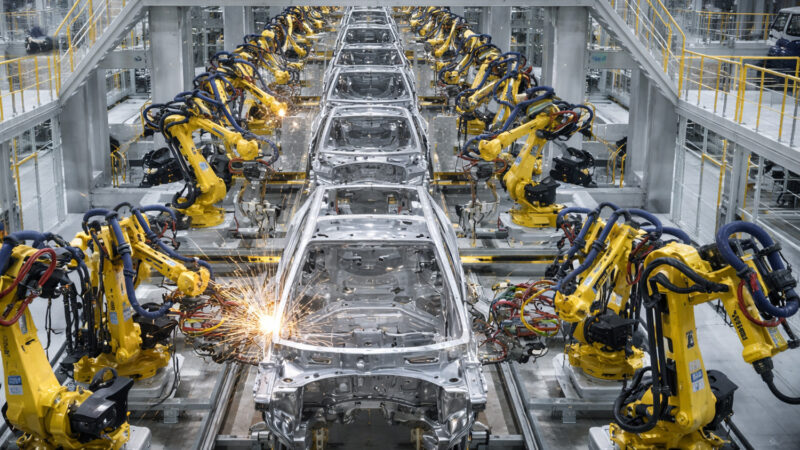
- Tesla plans to repurpose the Fremont assembly lines for mass production of the Optimus humanoid robot, aiming for a future where autonomous machines play a central role in its business.
Why it matters
This decision marks a major strategic pivot for Tesla away from traditional automotive manufacturing toward AI-driven products — especially humanoid robots and autonomous systems. The Model S and Model X once helped establish Tesla as a leader in luxury electric vehicles, but demand has declined sharply in recent years, with these models making up only a small fraction of total deliveries.
Musk described the discontinuation as an “honorable discharge” for the vehicles, signaling the end of an era while reallocating resources toward future-focused technologies.
Trend impact
Business and automotive analysts say the move reflects broader challenges in the EV market, from increased competition to shifting consumer demand. At the same time, Tesla’s renewed emphasis on robots and autonomy underscores a longer-term bet that intelligent machines could become core to its growth trajectory.
What’s next
Tesla will continue selling and supporting other models such as the Model 3, Model Y, and Cybertruck, while progressing toward Optimus mass production by late 2026 and potential robot deliveries in 2027. The Optimus initiative is positioned as part of Tesla’s broader transformation into a “physical AI company” — reshaping how the brand is perceived beyond electric cars.