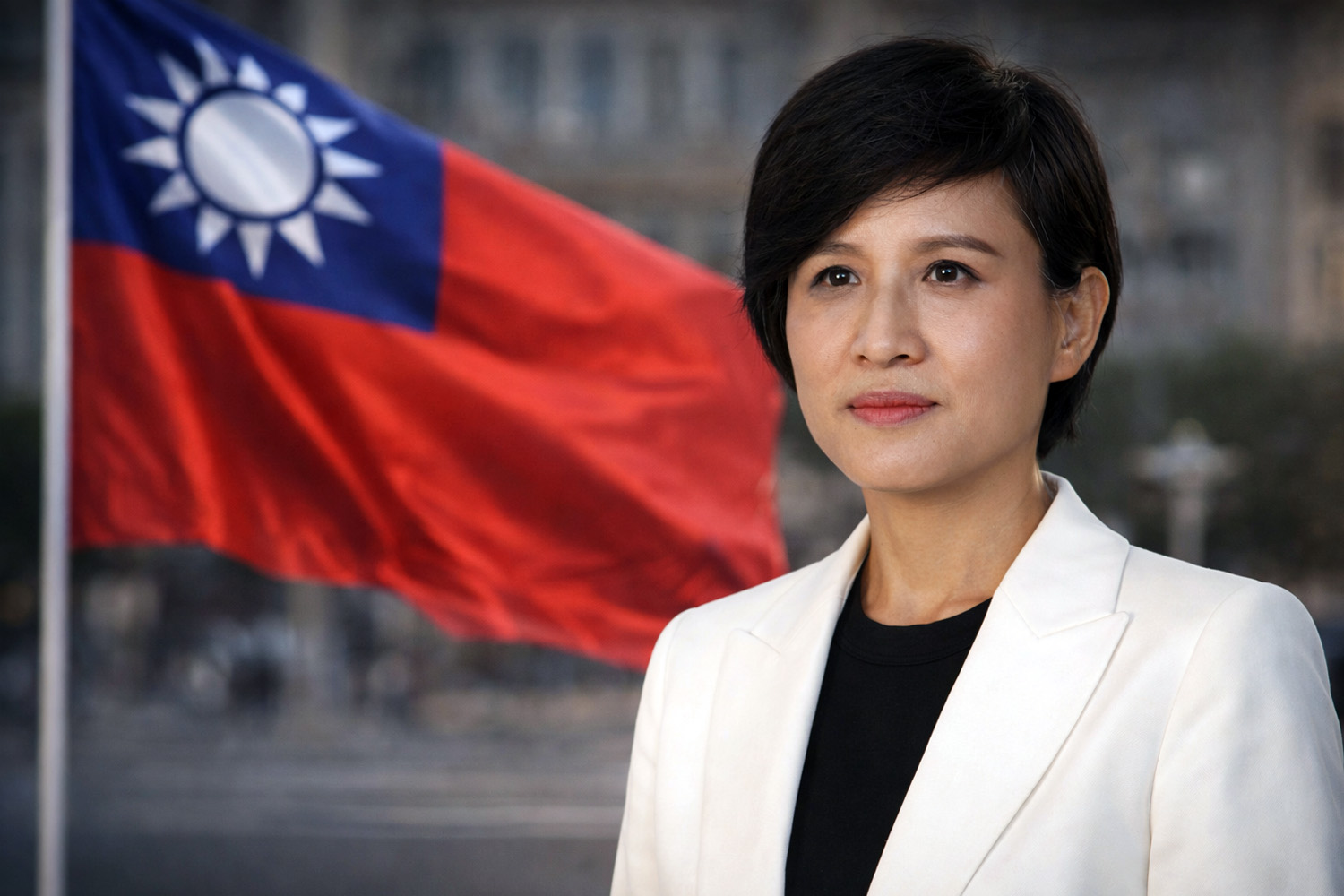
Taiwan’s Vice Premier Cheng Li-chiun has firmly rejected the notion that 40 % of the island’s semiconductor manufacturing could be relocated to the United States, calling the proposal “impossible” and emphasizing the importance of keeping the industry’s core capacity rooted in Taiwan’s highly specialized ecosystem. Her comments, made in a televised interview on February 9, 2026, come amid ongoing discussions between Taiwanese and U.S. officials over trade, tariffs, and global technology supply chains.
The remarks were intended as a response to recent statements from U.S. Commerce Secretary Howard Lutnick, who has expressed a desire for a substantial expansion of semiconductor production on U.S. soil, including a goal of having the United States attain 40 % of global leading-edge chip production. U.S. officials argue that bringing more of the world’s advanced semiconductor manufacturing closer to home would enhance national security and reduce reliance on supplies geographically concentrated near China.
In the interview—broadcast on Taiwanese television station CTS—Cheng stressed that Taiwan’s semiconductor industry was built up over decades into a complex and deeply integrated ecosystem that “cannot be relocated.” She said that while Taiwanese firms could expand their presence in the United States, the vast majority of manufacturing and technological development must remain on the island. Taiwanese capacity, she added, is expected to continue growing domestically even as companies make select overseas investments.
Why It Matters
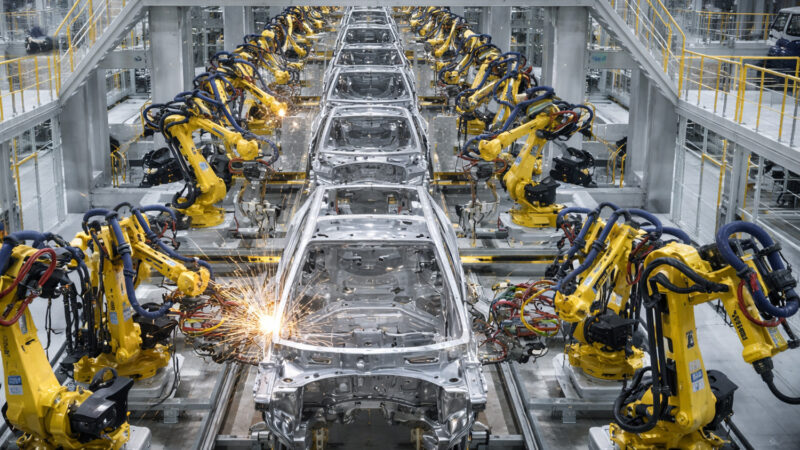
Taiwan now accounts for a dominant share of global semiconductors, especially leading-edge chips used in artificial intelligence, quantum computing, and defense technology. Companies like TSMC and UMC operate at the forefront of advanced fabrication, and their capacity underpins significant portions of the global electronics supply chain. Maintaining this production base in Taiwan is seen by Taipei as crucial not only for economic stability but also for national security, given the island’s strategic role in global technology.
The United States, for its part, has pursued policies designed to reduce dependence on foreign semiconductor supply, including the CHIPS Act, which provides subsidies and incentives for chip manufacturing in America. Officials in Washington have argued that diversifying supply chains and building more domestic fabrication capacity will strengthen resilience against geopolitical disruptions.
However, Taiwan’s position highlights a practical challenge: shifting a large portion of high-end chip manufacturing — an endeavor involving vast networks of specialized suppliers, skilled workers, intellectual property and decades of accumulated experience — is far more complex than simply building new factories. Cheng’s comments underscore that industrial ecosystems cannot be “picked up and moved” overnight and must evolve organically.
Trend Impact
The standoff marks a critical moment in tech geopolitics, illustrating the tensions between economic strategy and national security priorities. While Taiwan continues to support expanded cooperation with the United States — including investments and knowledge sharing — its refusal to shift large chunks of production underscores the limits of reshoring efforts in an interconnected global economy. Analysts suggest that future progress will likely involve balanced approaches, where international investment complements robust domestic ecosystems without compromising national capabilities.