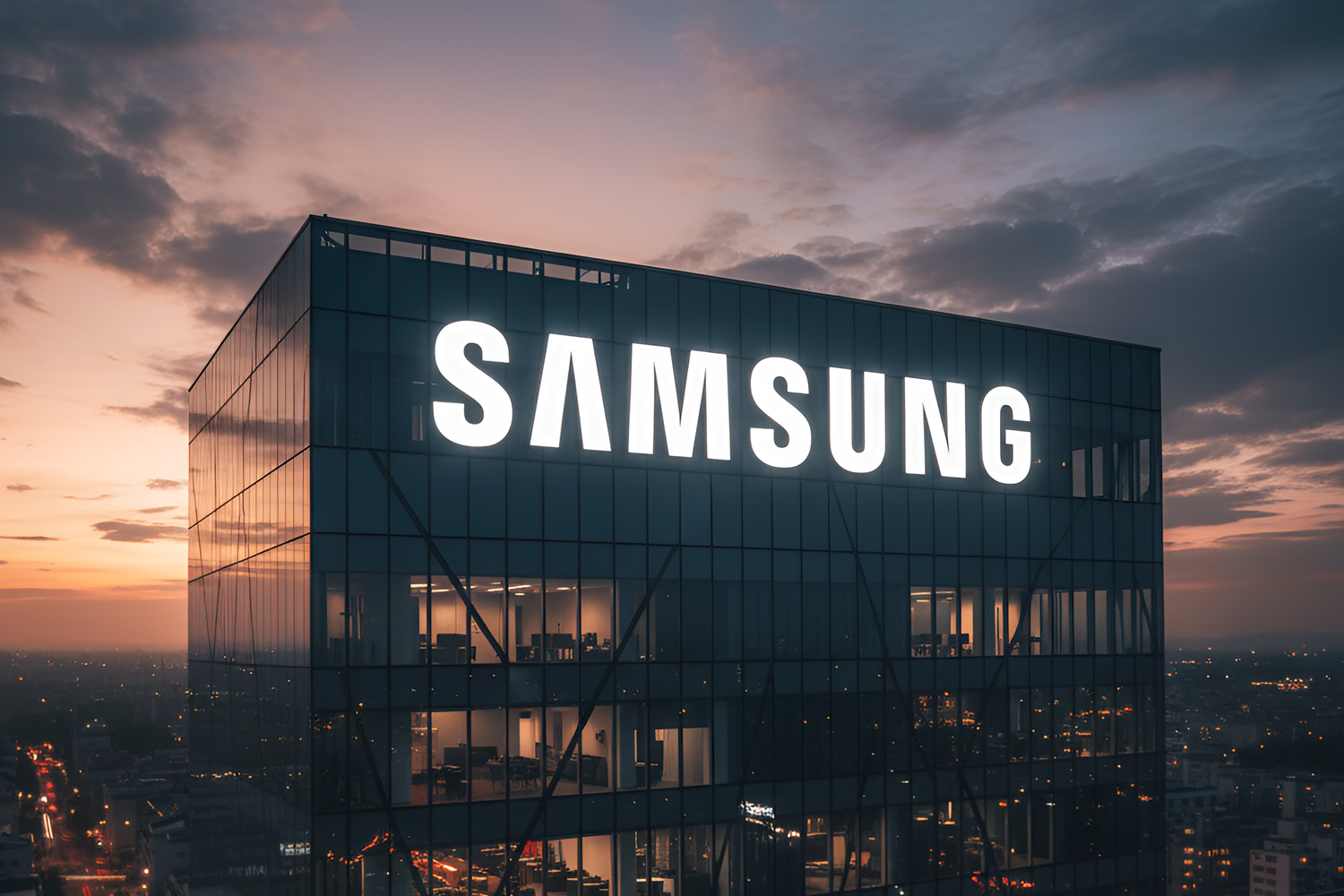
South Korean technology giant Samsung Electronics reported record quarterly results for the fourth quarter of 2025, with operating profit more than tripling year-on-year to about 20.1 trillion won ($13.9 billion). The company’s revenue also hit a high of around 93.8 trillion won, driven by exceptionally strong global demand for memory chips used in artificial intelligence (AI) systems — particularly high-bandwidth memory (HBM) and other advanced memory products.
Why it matters: The results underscore the pivotal role of AI in reshaping the semiconductor industry. Memory chips have become critical components for data centers and AI accelerators, giving leading chipmakers like Samsung significant pricing power and stronger profit margins.
AI Memory Demand Fuels Growth
Samsung’s semiconductor division, the Device Solutions (DS) unit, was the primary engine of growth. In the fourth quarter, the memory business accounted for the majority of profits due to soaring sales of HBM, DRAM, and NAND flash memory, all essential for large-scale AI computing and data storage infrastructures. Prices for these memory products climbed sharply amid tight supply and robust demand, boosting earnings.
Industry analysts highlight that Samsung’s ability to supply advanced memory products — including next-gen HBM chips slated for mass production in early 2026 — has strengthened its competitive position against rivals like SK Hynix and Micron.
Supply Chain Strength and Production Agility
Unlike some competitors facing delays or shortages, Samsung has been able to meet key customer demand in a timely manner, fostering confidence among major tech buyers. The company is also set to begin delivering HBM4 chips shortly, which are expected to further solidify its presence in the expanding AI hardware market.
Trend impact: The latest earnings highlight a structural shift in the broader tech ecosystem — memory chips are now among the most valuable and strategically critical components in the digital economy. As demand for AI continues to grow, companies that can deliver high-performance memory products are likely to benefit disproportionately.
Challenges and Industry Dynamics
Despite the strong results, Samsung warned that the chip market may remain tight through 2026 and into 2027, potentially creating supply constraints and cost pressures for other product segments like smartphones and display panels. This reflects broader industry dynamics where supply has struggled to keep pace with the rapid adoption of AI technologies.
Final Insight
Samsung’s tripling of operating profit in Q4 2025 is a clear indicator of how AI-driven demand for memory chips is redefining global tech manufacturing. With strong revenue growth and strategic production plans for advanced memory products, Samsung is positioning itself at the center of the evolving semiconductor landscape — even as supply constraints prompt caution across the industry.