As of January 2026, the global precious metals market remains highly volatile and closely watched by investors seeking safe-haven assets amid ongoing geopolitical uncertainty, inflation concerns, and shifting monetary policy. Metals such as gold and silver have seen significant price movements, record highs, and strong investor demand early in the year.
Current Prices and Recent Record Highs
Precious metals prices have surged in early 2026, driven by risk aversion and safe-haven buying:
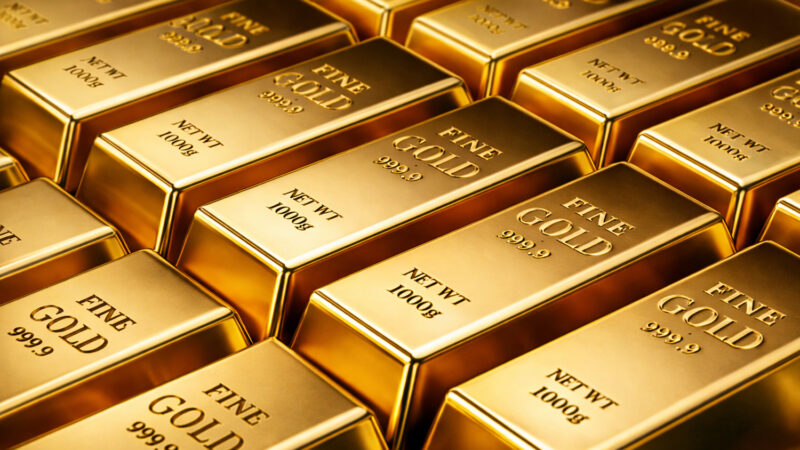
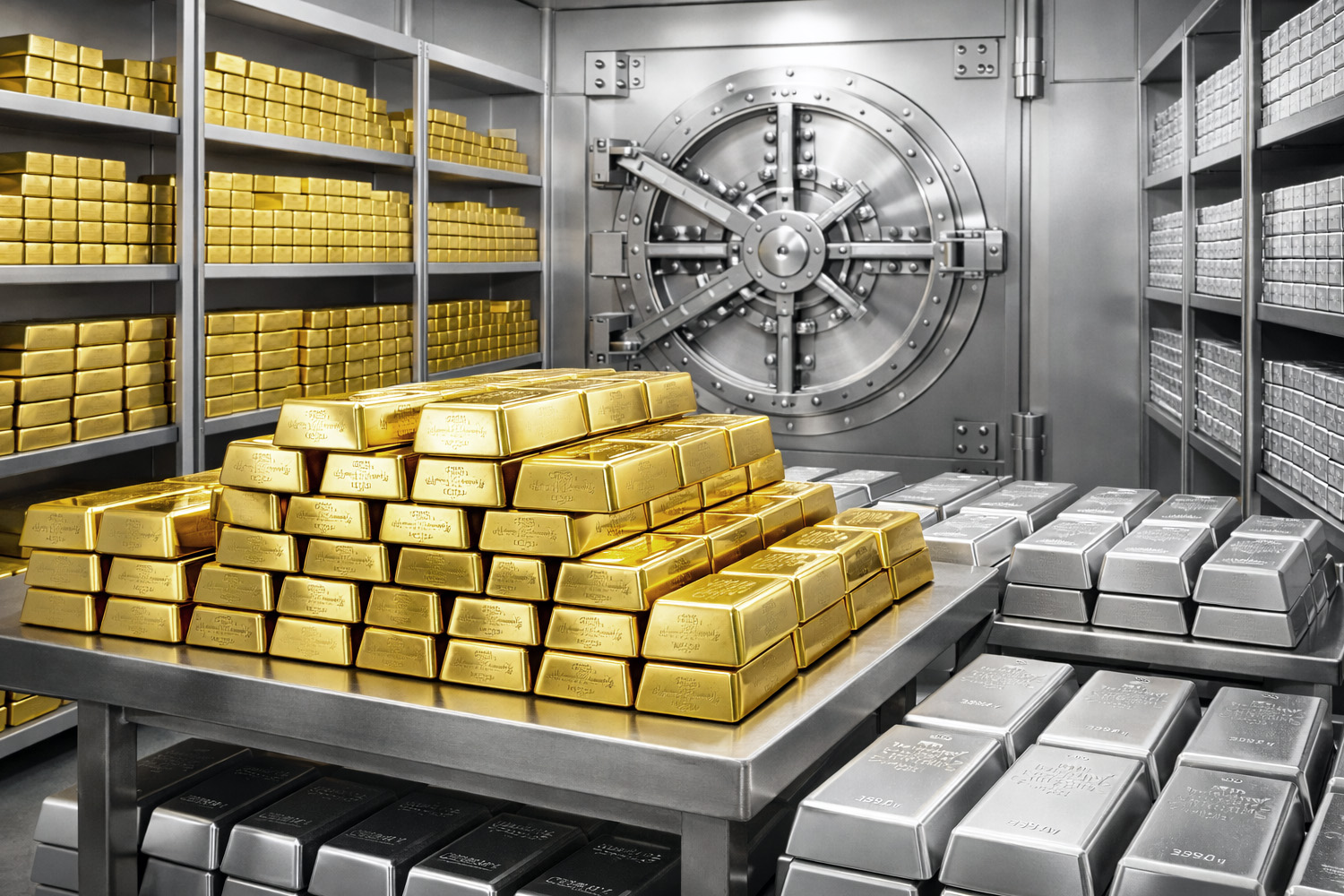
- Gold: Spot prices recently reached all-time highs near $4,650–$4,689 per ounce amid geopolitical tensions and market volatility, with prices frequently moving above $4,600/oz.
- Silver: Prices climbed to record levels around $93–$94 per ounce, reflecting a robust rally that has outpaced gold in percentage terms at times.
- Platinum and Palladium: Other precious metals showed gains as well, with platinum around $2,300+/oz and palladium near $1,800+/oz, supported by industrial demand and market dynamics.
Price data from trading platforms and market summaries in early January 2026 also show strong metal prices, with gold often near or above $4,500/oz and silver in the $80–$90/oz range.
What’s Driving the Rally
Several factors are contributing to elevated precious metals prices in 2026:
1. Safe-Haven Demand: Increased geopolitical tensions and trade risks have pushed investors toward gold and silver as protective assets, especially when global equity markets show stress.
2. Macroeconomic Uncertainty: Uncertainty around central bank policies—particularly regarding interest rates, inflation management, and balance sheet strategies—has reinforced demand for non-yielding assets like gold.
3. Industrial Demand for Silver: Unlike gold, silver also has significant industrial uses in electronics, solar technology, and green energy components, adding a dual demand driver that enhances price pressure.
Market Trends and Forecasts
Analysts and financial institutions have issued bullish forecasts for precious metals in 2026, although views vary:
- Gold: Major banks and analysts see ongoing strength for gold, with some projecting average prices near $4,500–$5,000 per ounce or more throughout 2026 under certain macroeconomic scenarios.
- Silver: Forecasts for silver are more variable, with estimates ranging from moderate gains to scenarios where silver could reach $135–$309 per ounce in a strong rally environment.
Market outlook reports also point to continued volatility, with potential price swings influenced by monetary policy changes, supply constraints, and investor risk appetite.
Role of Central Banks and Investment Demand
Central bank purchases of gold remain an important structural factor in long-term price support. Many emerging market central banks have continued to add gold reserves, underpinning a broader demand trend beyond retail and speculative investment.
Investor Considerations
Precious metals serve multiple roles in diversified portfolios:
- Hedge against inflation and currency risk
- Safe haven during times of market stress
- Exposure to industrial demand (especially silver)
While metals can offer protection during downturns, their prices are sensitive to changes in interest rates, economic data releases, and shifts in global political stability.