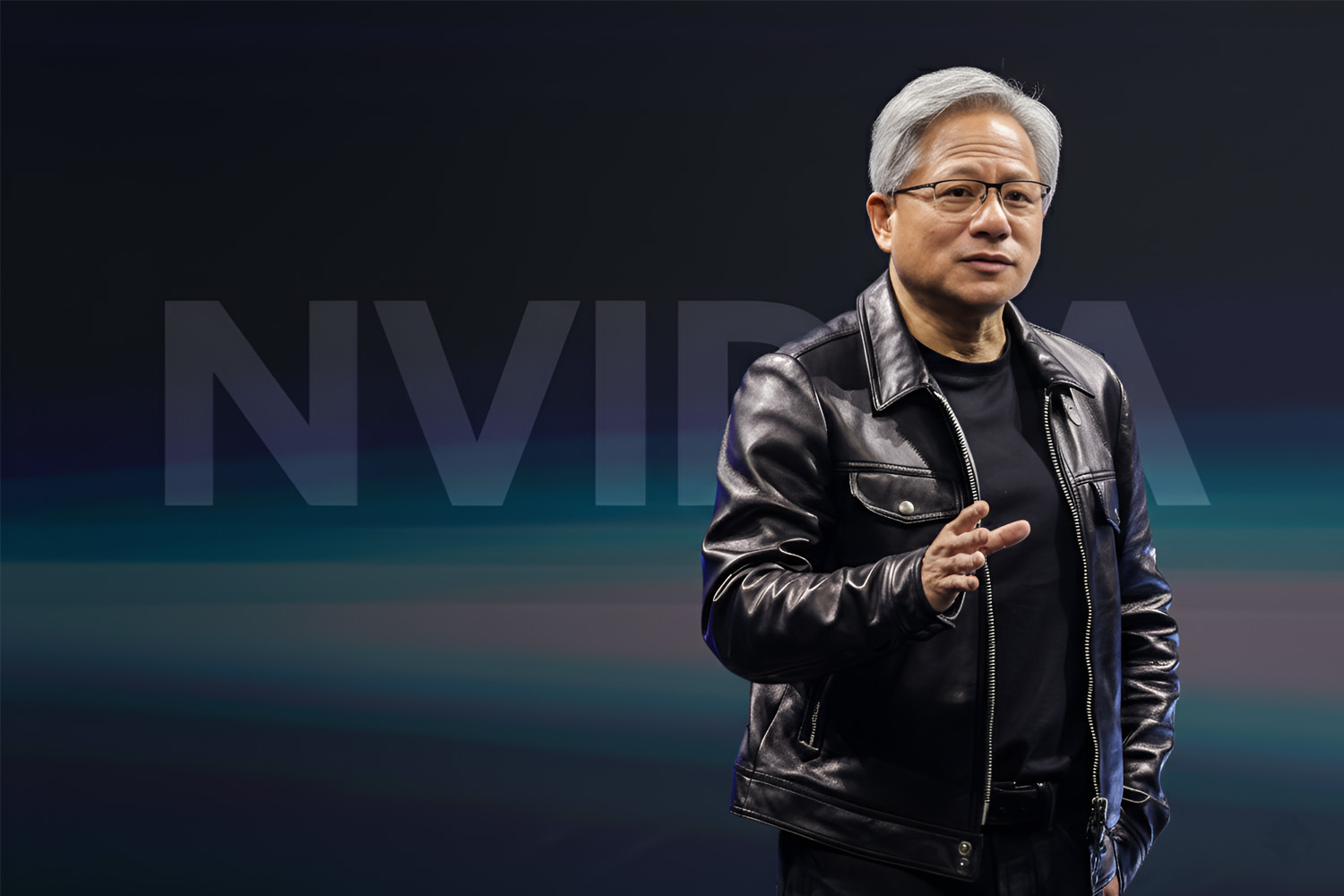
In November 2025, Jensen Huang, CEO of NVIDIA Corporation, made headlines by declaring that China is on track to win the global artificial intelligence race. The comments, reported by the Financial Times and confirmed by multiple outlets, sparked debate across tech and policy circles.
Huang told the FT at a London-based AI summit that “China is going to win the AI race” due to its large talent pool of developers and generous state subsidies. He later clarified via social media that his point was: “China is nanoseconds behind America in AI. It’s vital that America wins by racing ahead and winning developers worldwide.”
Why Huang Sees China with an Edge
According to Huang, several factors are fueling China’s AI momentum:
- Massive developer base: He estimated that roughly half of the world’s AI-developers are in China, and many leading open-source AI models originate there.
- State-backed subsidies and lower costs: Huang pointed to lower energy (electricity) costs and fewer regulatory hurdles in China, giving domestic companies a cost-advantage in large-scale training and deployment.
- Technology access and ecosystem: While U.S. export controls restrict China’s access to some of NVIDIA’s most advanced chips, Huang suggested that this may actually accelerate China’s development of alternatives — raising longer-term competition.
He warned that if American firms and policymakers focus only on restricting China rather than competing for talent and ecosystem dominance, the U.S. risks losing its lead in AI development.
U.S. Response and Strategic Implications
Huang’s remarks come amid heightened concern in the United States over its ability to maintain technological leadership, especially as export controls tighten and new regulations are considered. The comments underscored several key strategic issues:
- The need for the U.S. to attract and retain global AI talent, including developers globally.
- The importance of keeping open channels for collaboration and technology investment while balancing national-security concerns.
- How domestic policy (energy, regulation, education) may be as important as hardware exports in determining AI leadership.
Huang’s warning has reverberated through policy and industry: If China accelerates its AI-infrastructure build-out while the U.S. focuses on control rather than growth, the outcome of the AI “race” could tilt.
What This Means for the Future
- For technology firms: The competitive map is shifting; China may become a stronger platform for AI innovation rather than just a market.
- For governments: Strategic decisions on talent policy, investment in data-centres, energy policy and export regulation will have long-term impact.
- For global AI ecosystem: Fragmentation may increase if technology stacks divide between U.S./allies and China, potentially forming divergent standards and platforms.
Huang’s belief that China is “nanoseconds behind” but poised to fill the gap should be seen as more than a provocative statement — it is a call to action. For the U.S. and its allies to maintain a lead, they may need not just superior hardware but superior ecosystem, talent and policy.
Conclusion
Jensen Huang’s commentary marks a significant wake-up call: The AI race is no longer a distant possibility—it’s here. While the U.S. remains strong, the margin is narrowing quickly, and China’s structural advantages may give it a decisive edge. The question is no longer if China will compete—but when and how it will lead.