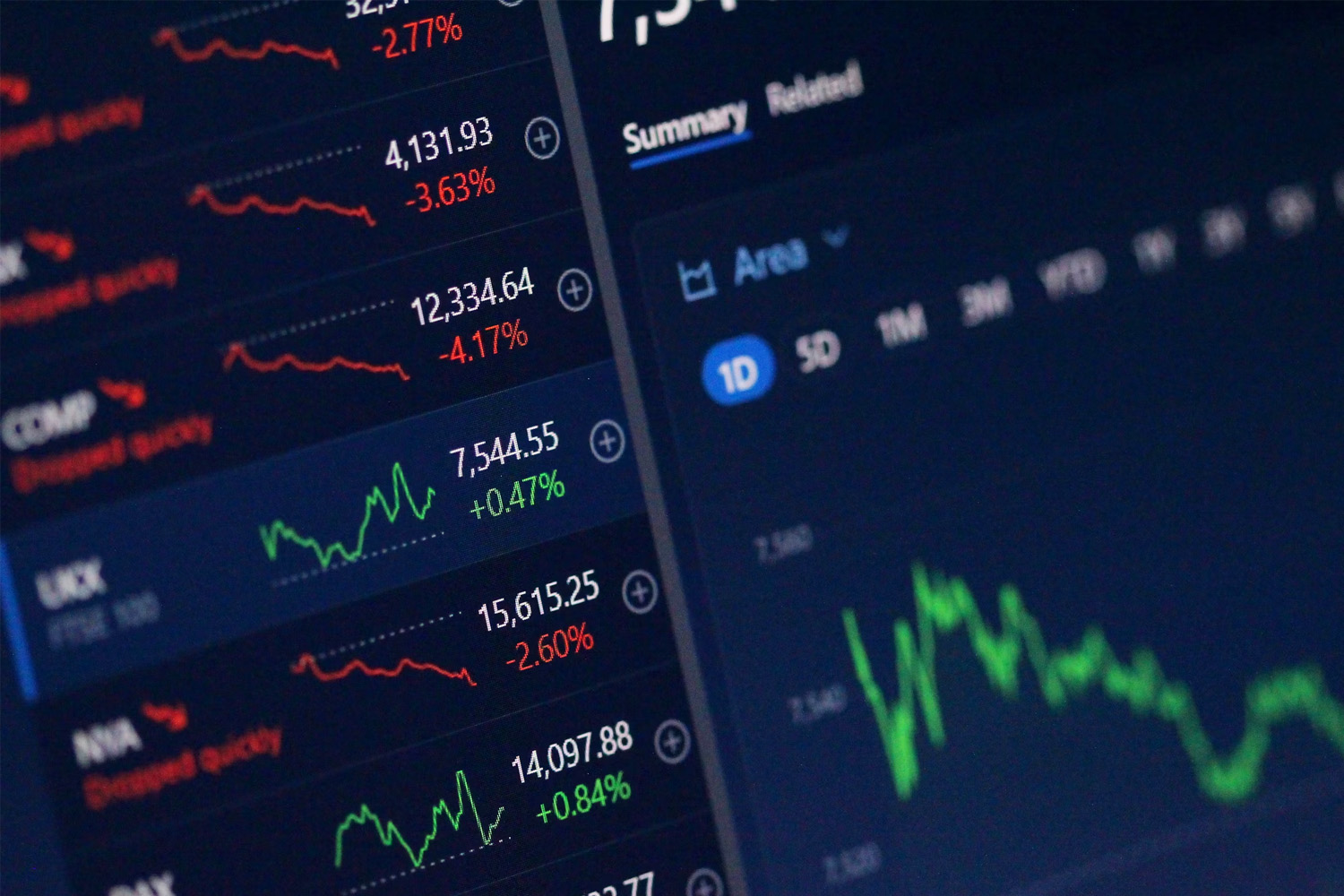
Global stock markets climbed sharply in late October 2025 in response to growing optimism over a potential trade agreement between the United States and China. On October 27, 2025, Asian equities, including Japan’s Nikkei 225, rose to record levels as investors reacted to a preliminary trade-deal framework and improved risk sentiment.
The boost in sentiment was driven by several key developments: officials from both nations confirmed that talks held in Kuala Lumpur produced a trade-deal framework that could defer China’s threatened rare-earth export controls and avoid imposition of 100 % U.S. tariffs on Chinese goods. Futures for U.S. indices also strengthened, with the S&P 500 and Nasdaq 100 posting gains ahead of key earnings and central-bank events.
Commodity prices and other risk-assets reflected the shift too: oil and copper prices rose on improved growth expectations, while safe-haven assets such as gold and U.S. Treasuries declined.
Why it matters
- The prospect of a deal between the U.S. and China can ease one of the major sources of uncertainty for global trade, supply chains and corporate investment decisions.
- Markets often react ahead of confirmed outcomes; the optimism alone helps lift risk-assets while waiting for final terms and implementation.
- A sustained improvement in trade relations may support global economic growth and, in turn, corporate earnings — a helpful backdrop for equity valuations.
- That said, much depends on execution: a framework does not guarantee a comprehensive deal, and delays or setbacks could reverse the sentiment.
What to watch
- The upcoming meeting between President Donald Trump and President Xi Jinping during the APEC Summit in South Korea, where they are expected to weigh and possibly formalise the trade-agreement framework.
- Signals from major central banks (including the Federal Reserve) regarding interest-rate policy, which could amplify market reactions to the trade news.
- Whether the preliminary trade deal translates into concrete measures: tariff reductions, export-control easing, increased agricultural or industrial purchases, and clearer supply-chain assurances.
- The durability of the rally: with sentiment elevated, any misstep or political-geopolitical shock could trigger sharp reversals.
In sum, the current rally underscores how trade-policy developments between the world’s largest economies remain a powerful driver of risk sentiment. While the optimism is certainly a positive for markets, investors and companies should remain alert to the underlying complexities and follow-through risks that accompany any high-profile agreement.