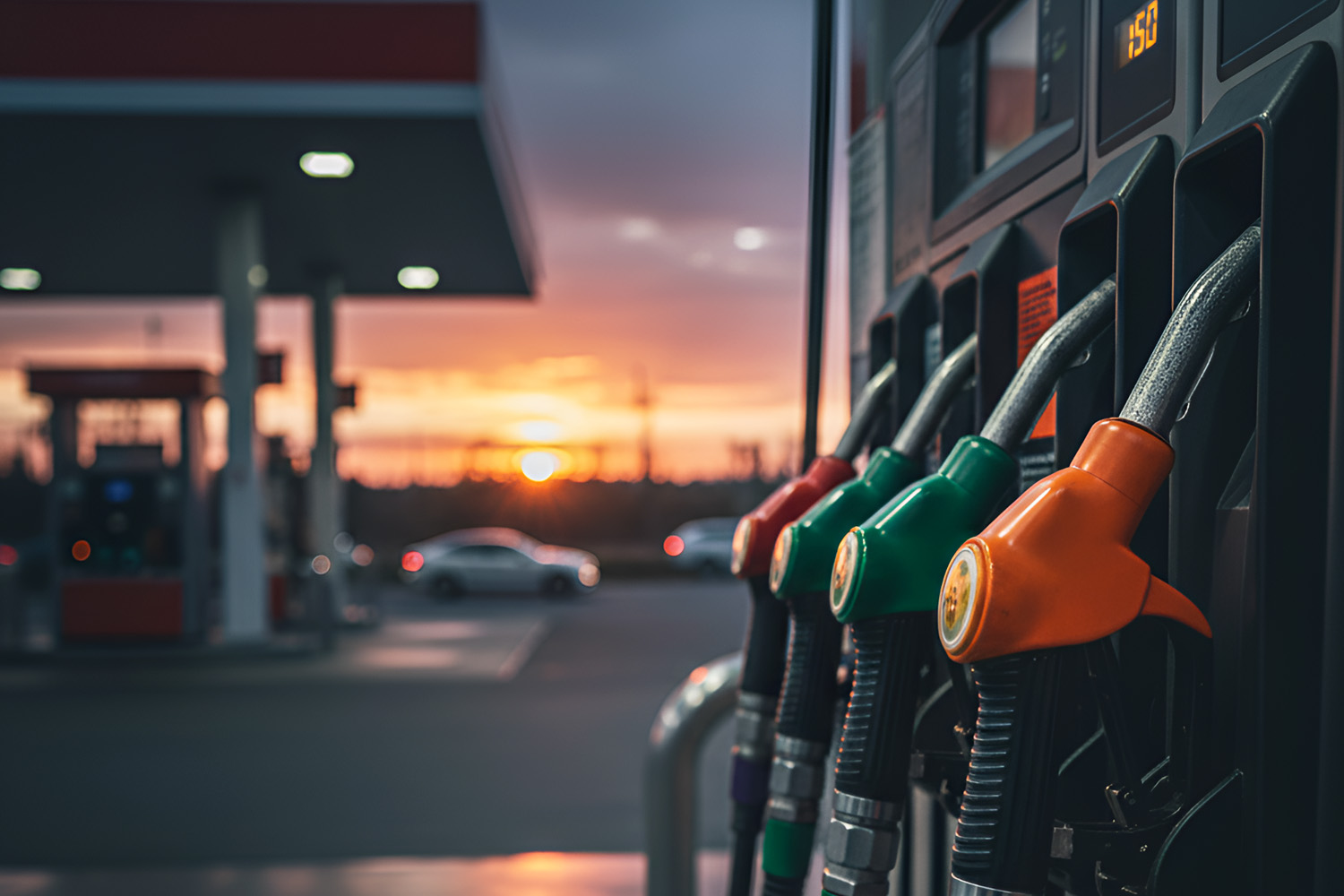
In 2025, retail gasoline prices vary dramatically around the world, influenced by local tax policies, subsidies, import dependencies and global oil-market trends. According to data from GlobalPetrolPrices and Visual Capitalist, the average global price for a litre of gasoline stood around US$1.30 in mid-2025.
Below are notable examples from both ends of the spectrum.
Five Countries with the Highest Gasoline Prices
- Hong Kong – ~ US$3.07 per litre (2025 data) — the highest recorded globally in the referenced dataset.
- Netherlands – ~ US$2.21–2.26 per litre (Europe’s high end).
- Denmark – ~ US$2.22–2.33 per litre in 2025.
- Israel – ~ US$2.17–2.22 per litre (2025 figures).
- Switzerland – ~ US$2.11–2.26 per litre among the highest in Europe.
Five Countries with the Lowest Gasoline Prices
- Libya – ~ US$0.03 per litre (April/May 2025 snapshot).
- Iran – ~ US$0.03 per litre (April 2025 data) — extremely subsidised.
- Venezuela – ~ US$0.035 per litre (2025 data) — one of the lowest globally.
- Angola – ~ US$0.33 per litre (2025 data) — among the lowest despite being higher than the ultra-cheapest.
- Kuwait – ~ US$0.34 per litre (2025) — low cost relative to global average.
What Drives the Differences?
- Taxation & duties: Countries with high gasoline prices often impose heavy fuel taxes or value-added tax (VAT) on petrol, such as many Western European states.
- Subsidies & local production: Nations with abundant domestic crude oil or strong subsidies can offer very low prices to consumers (e.g., Iran, Egypt).
- Import dependencies & logistics: Island states or high cost markets like Hong Kong face higher retail prices due to import logistics and real estate/fuel‐station costs.
- Currency & exchange rates: Local currency strength and fuel import costs also affect the USD-converted price.
- Global market shocks: Supply disruptions, geopolitical risks and demand shifts continue to ripple into local pump prices.
Why It Matters
Fuel prices impact a wide range of issues: cost of living, transportation infrastructure, inflation, consumer behaviour and environmental policy. For example:
- High prices may incentivise fuel efficiency, electric vehicle uptake and alternative transport modes.
- Low prices can encourage higher vehicle usage and emissions, but may also mask underlying subsidy costs or economic stress.
- Tracking global price spread offers a lens into how countries balance energy policy, tax revenue, public welfare and environmental targets.
In summary, as of 2025, there is a striking spread in gasoline prices—from as low as ~US$0.30 per litre in certain heavily‐subsidised markets to over US$3.00 per litre in high‐tax, high‐cost jurisdictions. Understanding these differences helps explain global consumption patterns, policy choices and economic resilience.