As 2026 advances, the narrative around cryptocurrencies is evolving from a purely speculative asset class toward practical business adoption and real-world utility. While trading and price speculation remain central to market activity, institutions and enterprises increasingly focus on technologies that deliver tangible value beyond simple price movements.
Speculative Trading Still Dominates Price Conversation
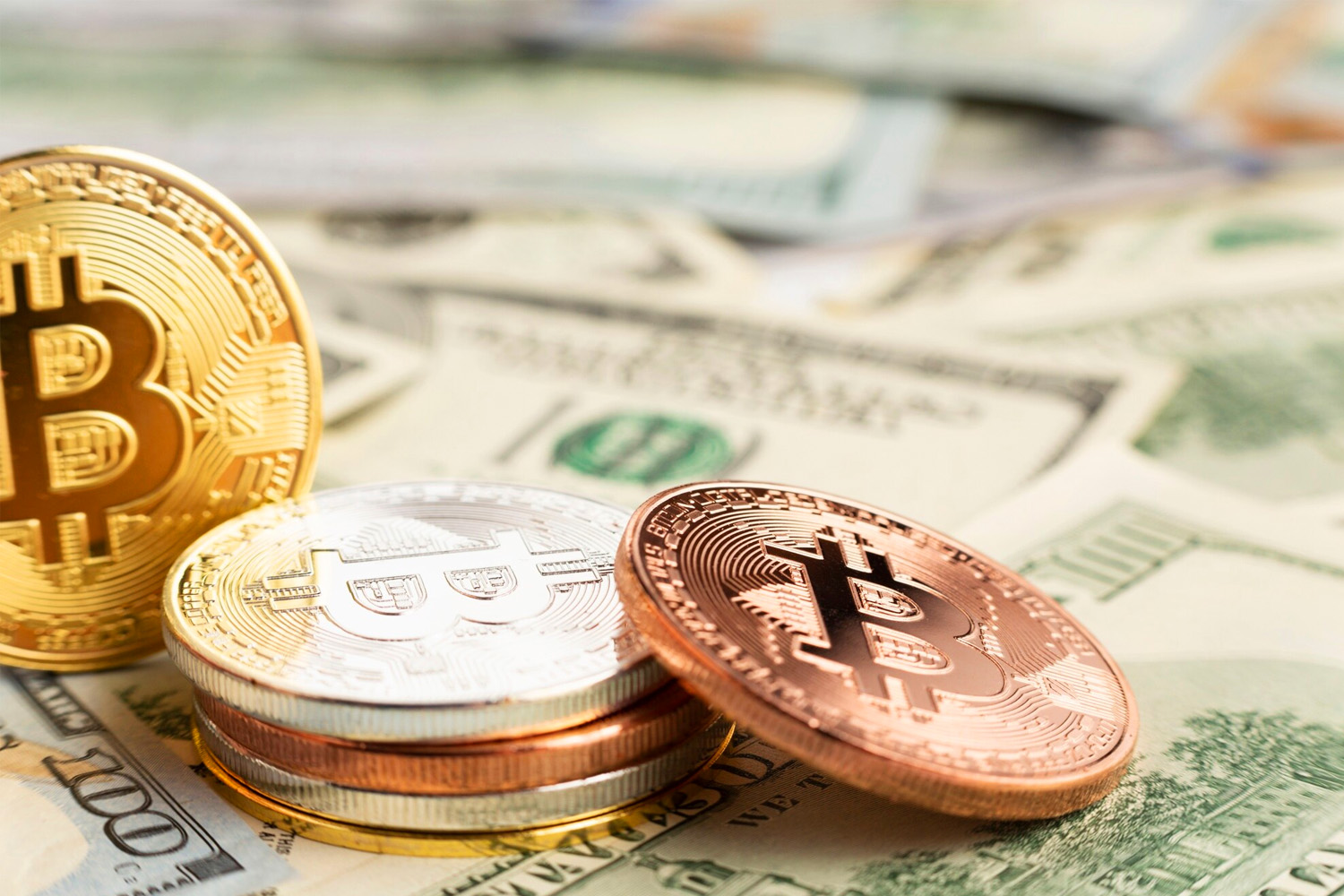
Cryptocurrencies such as Bitcoin, Ethereum, Dogecoin, and others continue to be widely traded instruments, with many investors engaging for speculative profit rather than usage in commerce. Bitcoin, for example, is frequently discussed in the context of potential price milestones and institutional inflows, reflecting its role as both an asset and speculative vehicle.
The broader crypto market in 2025 and into 2026 has shown that price movements are often driven by investor sentiment, macroeconomic liquidity, ETF flows and narratives as much as underlying technological progress.
This speculative dimension draws capital from retail and institutional traders alike, seeking gains from volatility rather than from direct application of the technology.
Business Use Cases Gaining Traction
Despite the ongoing influence of speculation, real business use cases for cryptocurrencies and blockchain technology are increasingly recognized by companies and financial institutions.
Payments and Financial Services
Cryptocurrencies are being tested and adopted as payment instruments in various e-commerce contexts due to their borderless nature and potential for lower transaction costs compared to traditional systems. This practical application reflects the original vision of digital currencies as a medium of exchange rather than merely an investment asset.
Stablecoins — crypto assets pegged to fiat currencies — have become particularly important for businesses looking for predictable digital payment rails and settlement systems that operate 24/7 with potentially lower cross-border friction.
Tokenization and Real-World Assets
One of the strongest emerging business use cases in 2026 is tokenization of real-world assets (RWA). Platforms now support regulated tokenized versions of financial instruments such as treasuries, bonds and revenue-sharing products, which can be integrated into corporate treasury strategies and on-chain yield frameworks. This shift represents a move away from purely speculative tokens toward assets tied to actual cash flows and regulated markets.
Tokenization is gaining interest because it can unlock new liquidity, simplify asset transfer processes, and bridge traditional finance with distributed ledgers — factors businesses and institutional investors view as progressively practical.
Decentralized Finance (DeFi) and Smart Contracts
Decentralized finance continues to attract attention for its ability to create trustless financial products like lending markets, automated market makers, and programmable financial agreements based on smart contracts. Platforms such as Ethereum enable companies to build applications that execute terms automatically, potentially reducing administrative costs and enabling novel financial workflows.
Institutional Adoption and Regulatory Progress
In 2026, institutional interest is growing, backed by regulatory frameworks in key jurisdictions. Greater clarity encourages regulated investment products such as cryptocurrency-linked ETFs and controlled stablecoin programs, further validating crypto’s legitimacy in business strategy and portfolio diversification.
Balancing Innovation and Risk
Despite practical use cases, crypto still carries risks related to volatility, regulation and market cycles. Businesses adopting crypto technologies must balance innovation with compliance and risk management. Regulatory developments continue to shape the landscape, influencing which applications are viable and safe for enterprise use.
2026 Outlook: Utility Rising, Speculation Persisting
In 2026, the cryptocurrency ecosystem is at an inflection point where real business use cases are gaining credibility alongside ongoing speculative trading. Key trends include:
- Greater integration of crypto payments and stablecoins in commerce.
- Expansion of tokenized assets with institutional involvement.
- DeFi and smart contracts enabling practical financial infrastructure.
- Speculative trading continuing to shape market dynamics.
Together, these developments suggest that crypto’s role in 2026 is not solely about price speculation, but increasingly about business relevance and integration into mainstream financial and commercial systems. The balance between utility and speculation will likely define how digital assets evolve in the years ahead.