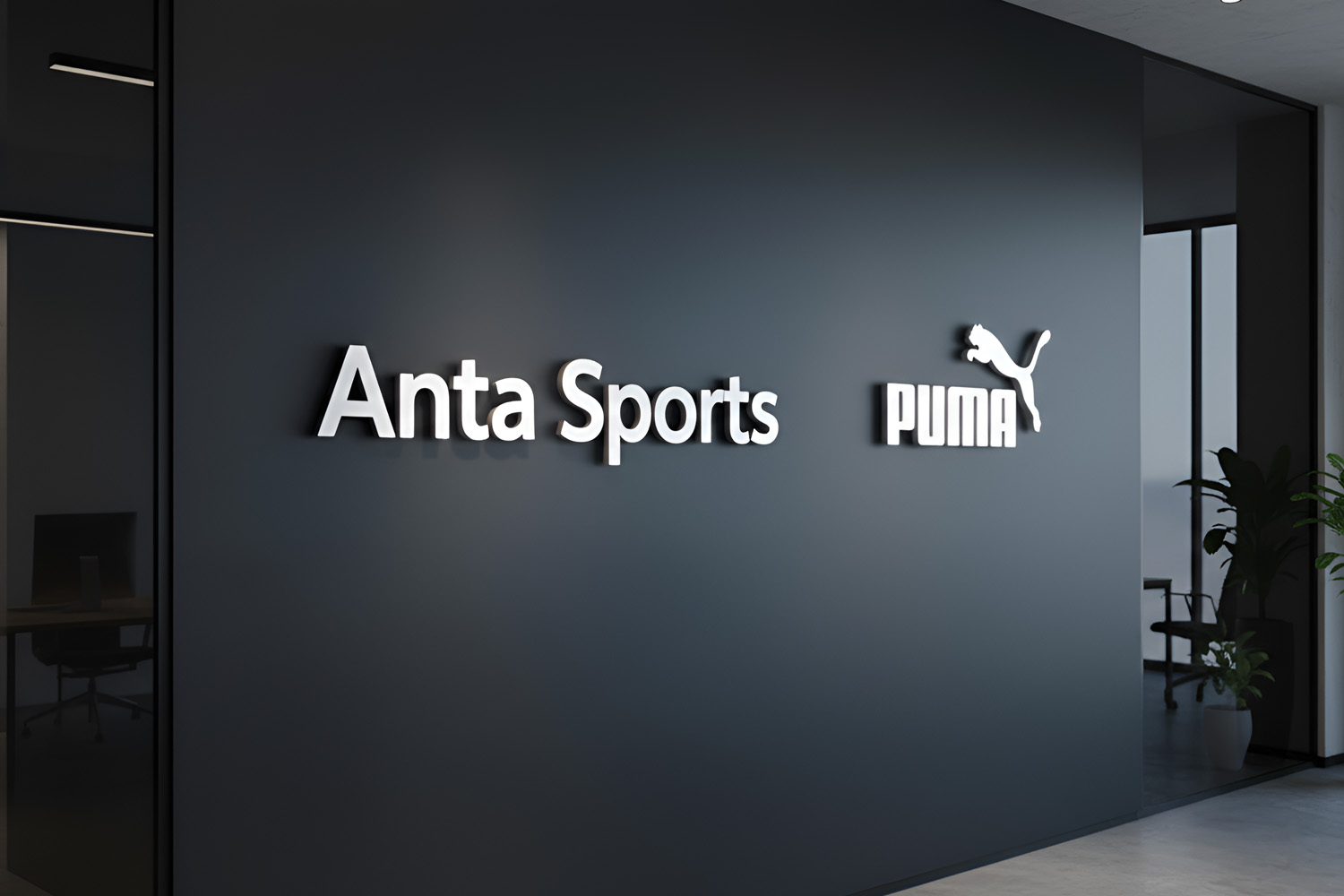
Chinese sportswear giant Anta Sports Products Ltd. has agreed to acquire a 29.06 % stake in German athletic brand Puma SE from France’s Pinault family investment vehicle, Groupe Artémis, in a deal valued at approximately €1.5 billion (about $1.8 billion). Once completed, the transaction will make Anta the largest single shareholder in Puma, marking a major development in the global sportswear market.
The agreement was disclosed publicly on January 27, 2026, through regulatory filings in Hong Kong and statements by both companies. Anta plans to finance the purchase using internal cash reserves and has indicated it will seek representation on Puma’s Supervisory Board while maintaining Puma’s operational independence. The acquisition is expected to close by the end of 2026, subject to regulatory approvals and customary closing conditions.
Why It Matters
The deal is significant for both companies and the broader sportswear industry. For Anta — already one of the world’s largest sportswear firms with brands like Fila, Descente, and Jack Wolfskin in its portfolio — acquiring a major stake in Puma is a strategic step in its global expansion strategy. Anta’s chairman described the move as a milestone in the company’s “single-focus, multi-brand, globalisation” approach, leveraging Puma’s established presence in Europe, Latin America, Africa and beyond.
For Puma, which has faced intensifying competition from rivals such as Nike and Adidas and reported weaker sales in recent years, Anta’s investment offers fresh capital and international market support. Puma has been implementing turnaround efforts under new leadership, including restructuring and brand repositioning, and the Anta stake signals confidence in its potential to rebound.
Anta has clarified that it does not intend to launch a full takeover bid at this time and will respect Puma’s brand identity and independent governance structure. However, by staying just below the 30 % threshold that would trigger a mandatory takeover offer under German law, Anta strengthens its influence while avoiding compulsory acquisition obligations.
Trend Impact
This transaction highlights a growing shift in global brand ownership, with Chinese firms increasingly investing in Western consumer and lifestyle names. It also underscores the intensifying pressure on legacy European sports brands to innovate and adapt amid fierce competition. Anta’s move may encourage more cross-border investments or partnerships as companies seek scale, geographic reach, and diversified revenue streams.
The deal’s impact is already visible in markets: Puma shares climbed sharply on the news, reflecting investor optimism about the strategic partnership and Puma’s future prospects.