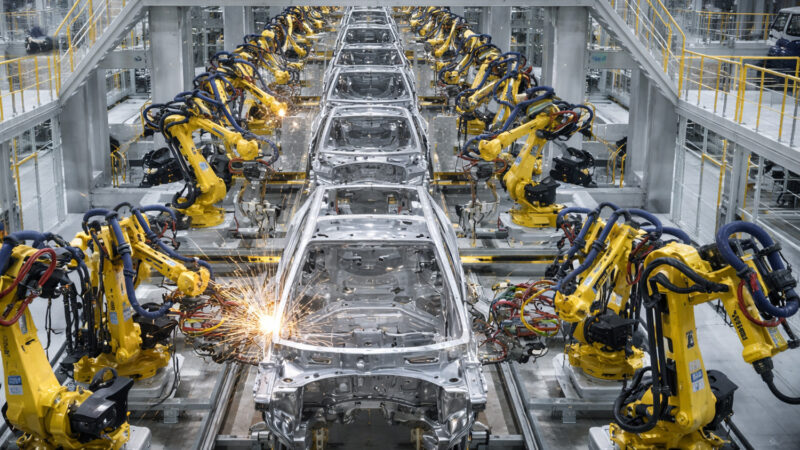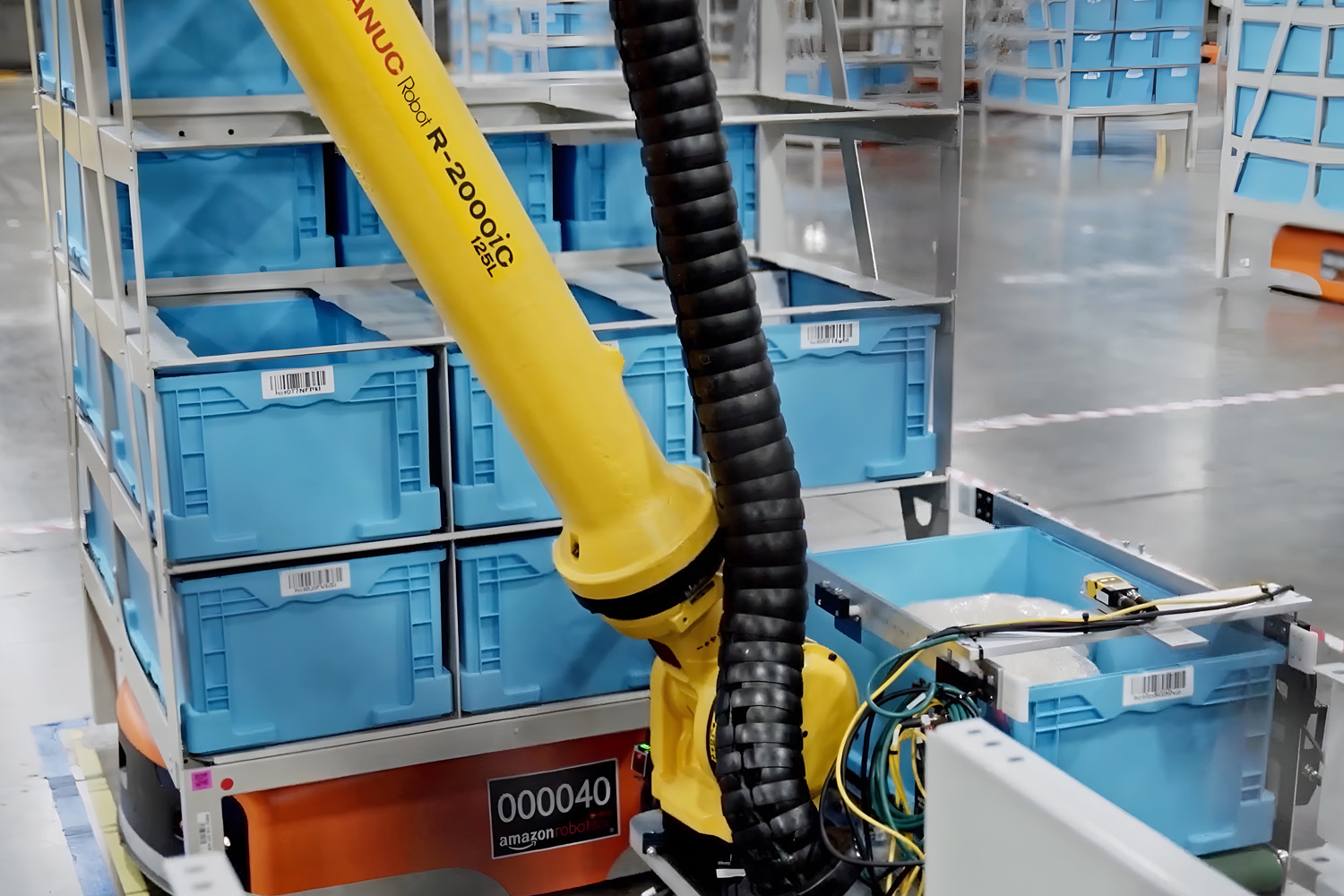
According to internal documents reviewed by the The New York Times, Amazon.com, Inc. plans to avoid hiring roughly 600,000 U.S. workers by 2033 thanks to increased automation and robotics, even as it anticipates selling about twice as many products.
The documents — drawn from the company’s robotics division — indicate Amazon aims for about 75 % of its operations to be automated, and expects to reduce the need to hire approximately 160,000 employees by 2027. Cost-savings projected from this shift include around 30 cents per item shipped, totalling more than $12 billion between 2025 and 2027.
An example cited in the documents is Amazon’s fulfillment centre in Shreveport, Louisiana, which reportedly already operates with 25 %-50 % fewer workers because of robotic systems; the design is slated for replication in about 40 additional locations by end of 2027.
Amazon has responded by saying the documents reflect only one team’s perspective and do not capture the company’s full hiring strategy. A spokesperson stated that the company plans to hire 250,000 seasonal workers and remains active in recruiting.
Industry analysts warn that if Amazon successfully executes this automation roadmap, it may transform from being a net job creator to a net job reducer — and its example could ripple across the wider logistics and retail sectors. “Once they work out how to do this profitably, it will spread to others, too,” noted Daron Acemoglu, a Nobel Prize winner in economic science.
Workers in automation-vulnerable roles — warehouse fulfilment and repetitive manual tasks — are likely to be the most affected, while Amazon emphasises that new types of roles (robot technicians, reliability engineers, AI system supervisors) will emerge.
The automation push comes amid growing use of AI and robotics in Amazon’s operations, including trials of humanoid robots in fulfilment centres.
While Amazon frames the shift as improving efficiency and enabling greater scale, the potential impact on its workforce and on broader employment dynamics has raised concern and drawn scrutiny from labour advocates and policymakers.
As Amazon moves toward this automated future, the question remains whether displaced or un-hired workers will be absorbed into new roles, retrained for advanced tasks, or face more limited job prospects in fulfilment-intensive sectors.