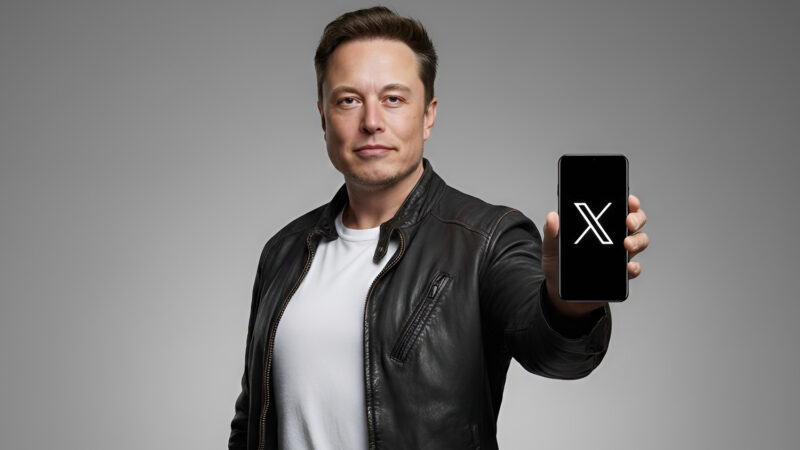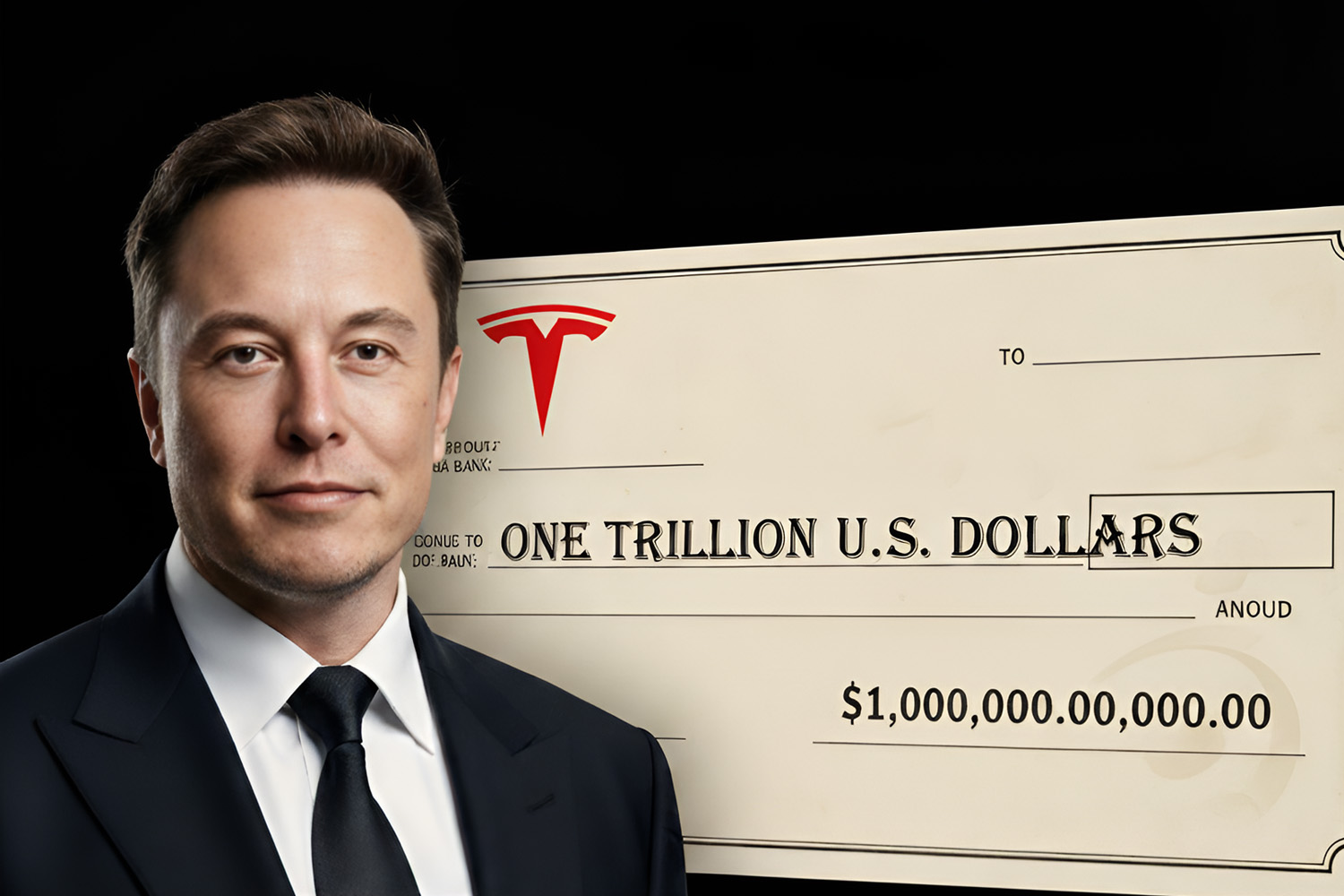
Elon Musk is now in line for one of the biggest executive compensation packages in corporate history after Tesla, Inc.’s board and shareholders approved a plan that could value his reward at up to US$1 trillion, provided a set of stringent performance goals are met.
What’s in the package
- The pay plan is structured as up to 423.7 million restricted stock units (RSUs), representing about 12 % of Tesla’s outstanding shares at the time of grant.
- The package is divided into 12 tranches, each linked to ambitious milestones including:
- Tesla reaching a market capitalization of US$8.5 trillion.
- Delivering 20 million vehicles cumulatively.
- Deploying 1 million driverless robotaxis in commercial service.
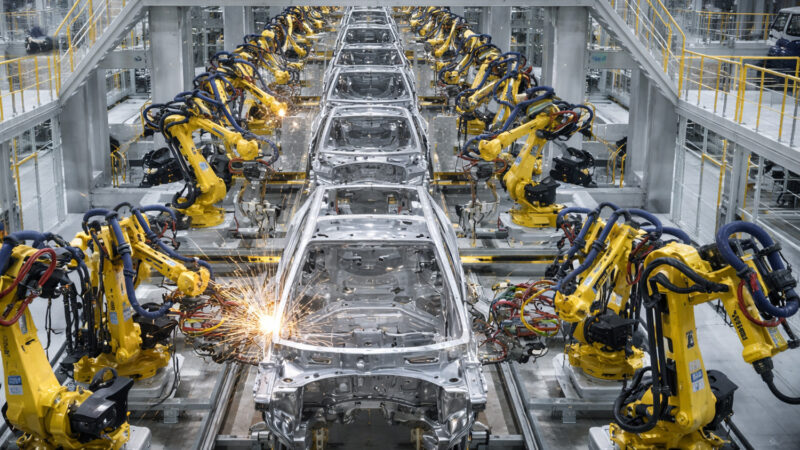
- Producing 1 million humanoid robots (“Optimus”).
- Securing 10 million paid Full-Self-Driving subscriptions over a defined period.
- The vesting schedule ties Musk’s pay to his tenure; to receive the full awards, he must remain in an executive role, and the final tranches require a board-approved succession plan.
Why the board says it matters
Tesla’s board argues that the scale and ambition of its mission — electrification of transport, autonomous driving, robotics and energy services — require exceptional leadership continuity and incentive alignment. Musk’s long tenure and involvement in multiple business lines gave the board confidence that only a high-stakes package would retain him and mobilize the company’s resources toward its vision.
Criticism and context
Despite approval by over 75 % of voting shareholders, the package faces significant scrutiny:
- Institutional investors such as Norway’s sovereign wealth fund publicly opposed the plan, citing concerns about shareholder dilution and governance.
- Corporate governance analysts argue that the size of the payout and concentration of control in one individual may reduce board independence and raise “key-man risk.”
- Critics note Tesla must meet not only highly ambitious targets but also sustain them over time — failure to achieve the milestones could result in Musk receiving little or none of the potential payout.
What this means for Musk — and Tesla
If Musk successfully unlocks all 12 tranches, he could become the first person ever to qualify for a compensation package of this magnitude and join the first “trillionaire” club based purely on performance-linked equity. Until then, the path forward for Tesla will involve dramatic scaling of vehicle production, commercialization of robotaxis and robotics, and sustained profitability — goals that many analysts view as extremely challenging.
For shareholders, the upside is potentially enormous — Tesla would need to roughly eight-fold its market value from its then-current level to meet the primary goal. However, the risk is also high: if Musk fails to meet the criteria, the company and its investors may regard the plan as overly generous while providing little return.