Widespread Layoffs Hit Major Firms as AI-Driven Restructuring Accelerates
In 2025, a major wave of layoffs has swept across industries — from tech and retail to manufacturing, energy, and services — driven largely by cost-cutting, reorganization, and increased adoption of artificial intelligence (AI) and automation. The scale of job losses is among the biggest seen in recent history.
The Extent of Job Cuts
- According to a recent report, U.S. employers announced 153,074 job cuts in October, marking a 175% increase over the same month a year ago. Many companies cited both general cost-cutting and AI-related restructuring as primary reasons.
- Through the first 10 months of 2025, total announced layoffs in the U.S. exceeded 1.09 million, a sharp rise compared to 2024’s figures.
- The trend is global. Among tech firms alone, more than 100,000 employees have lost jobs across over 200 companies this year, many of those cuts resulting from AI integration and structural changes.
Companies and Sectors Affected
Major multinational corporations across varying sectors have announced sizable workforce reductions:
- In technology and services, companies such as HP plan to cut between 4,000 and 6,000 jobs worldwide by 2028 as part of an AI-driven restructuring strategy.
- Baidu, the Chinese tech giant, has initiated large-scale layoffs following a third-quarter loss and a drop in advertising revenue — moves the company ties to increased competition in AI and slower core-business income.
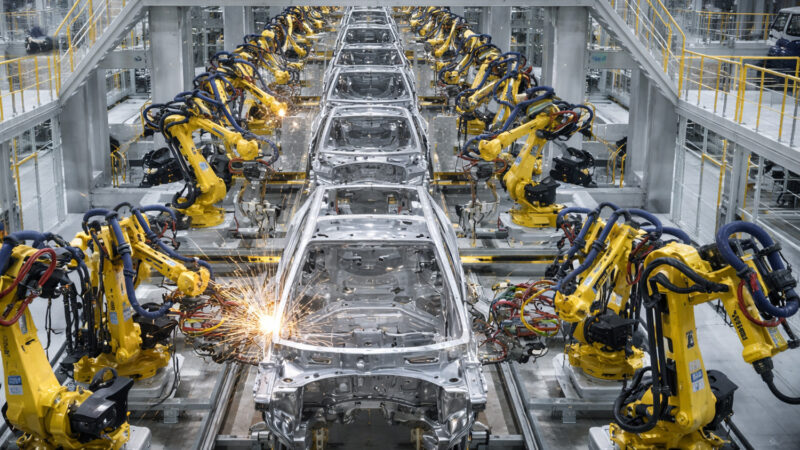
- Across sectors including logistics, retail, manufacturing and corporate services, firms are reducing staff in departments now considered “non-core” as they accelerate automation and streamline operations.
What’s Driving the Trend
Analysts and companies themselves point to two major driving forces behind this widespread restructuring:
- AI and automation adoption: As companies invest in AI, many roles—especially administrative, support, and routine operational jobs—are being automated. This reduces labor costs and reshapes workforce needs.
- Cost-cutting and economic uncertainty: Inflation, rising operational costs, and shifting demand prompt firms to streamline and adapt. Layoffs are often part of broader efforts to cut expenses and stay competitive in a volatile market.
Broader Impacts and What Comes Next
The 2025 layoffs wave signals a major transformation in the global labor market. For workers, it means increased uncertainty, pressure to reskill, and a shift in demand toward roles requiring higher-level skills, creativity, and adaptability. For companies, it reflects a pivot: streamlined operations, emphasis on AI-driven efficiency, and a redefinition of workforce structures.
However, experts warn that while AI and automation can boost productivity, the human cost is substantial — and societies must consider retraining, support systems, and policies to manage the transition.