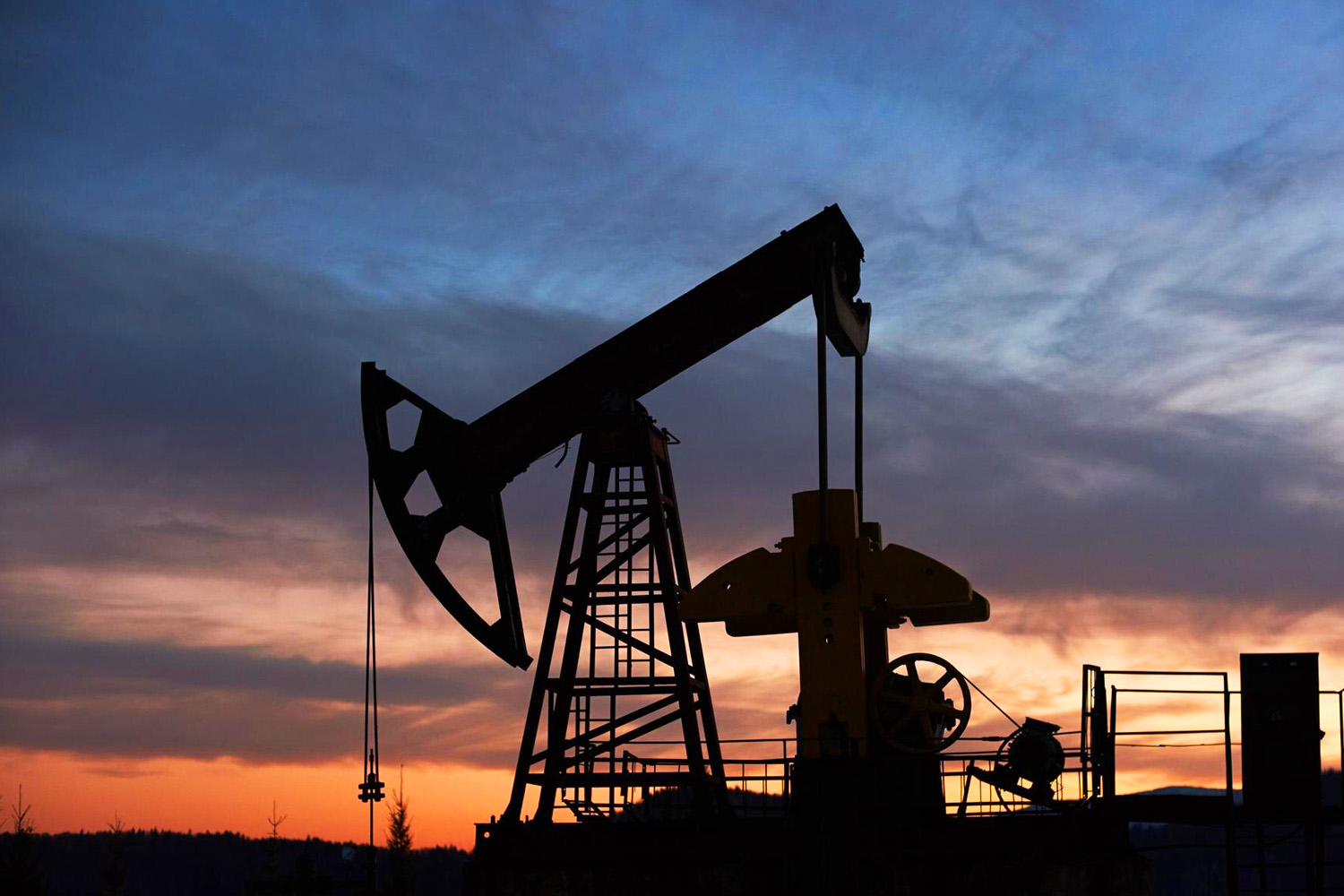
Global oil prices fell during the latest trading session on international stock exchanges, reflecting renewed concerns over demand, geopolitical tensions, and market volatility. Both Brent crude and West Texas Intermediate (WTI) saw declines, continuing a pattern of fluctuating energy prices in recent weeks.
Current Market Performance
- Brent crude oil dropped by more than 2%, trading near $88 per barrel.
- WTI crude oil fell to around $84 per barrel, marking its lowest point in several weeks.
- The decline comes after a brief period of stability, when prices had hovered near recent highs supported by supply constraints.
Causes Behind the Decline
- Global Demand Concerns
Investors remain cautious about slowing economic growth in key markets, including China, Europe, and the United States, where industrial activity and consumer demand for fuel have shown signs of weakness.
- Strong US Dollar
A stronger dollar has added pressure on oil prices, making crude more expensive for buyers using other currencies. This often leads to lower international demand.
- Geopolitical and Supply Factors
Although ongoing conflicts in the Middle East and production policies from OPEC+ typically support higher prices, recent market signals suggest traders are increasingly focused on demand-side risks rather than supply disruptions.
Analysts’ Perspectives
Energy analysts highlight that oil’s price volatility is likely to remain elevated. Short-term drops may be counterbalanced by structural supply risks, such as:
- Limited spare production capacity among OPEC+ members.
- Seasonal demand increases in winter.
- Uncertainty over sanctions and trade restrictions affecting Russian oil exports.
Many market watchers predict that if global economic conditions stabilize, prices could rebound in the medium term, though the near-term trend remains uncertain.
Broader Economic Impact
Falling oil prices affect more than just energy companies. Key implications include:
- Cheaper fuel costs for consumers and businesses, which could ease inflationary pressures.
- Reduced revenues for oil-producing nations, particularly those heavily dependent on energy exports.
- Investor caution in energy stocks, which often move in tandem with crude prices.
While the current decline may bring short-term relief to importers and consumers, the oil market remains highly sensitive to economic indicators, currency movements, and geopolitical developments. Traders and policymakers alike will be watching closely to see whether this marks the start of a downward trend or just another temporary dip in an unpredictable market.