As the world accelerates its shift from fossil fuels to cleaner energy sources, investors and industry watchers are closely tracking which companies are leading the energy transition. Driven by climate commitments, policy incentives, and technological improvements, several major energy and utility firms have successfully reoriented their strategies toward renewable power generation, green hydrogen, and decarbonization technologies.
According to global investment data, total spending on the energy transition surpassed $2 trillion worldwide in 2024, with renewable energy deployment — including wind, solar, and bioenergy — attracting significant portions of that capital.
Below are notable companies and sectors actively pivoting toward renewables and clean energy.
TotalEnergies: A Major Oil Major Going Green
French energy giant TotalEnergies has emerged as one of the most ambitious oil and gas companies investing in low-carbon energy. It has expanded its renewable electricity footprint while also betting on green hydrogen production in Europe. TotalEnergies has partnered with industrial firms like Air Liquide to build large hydrogen facilities in the Netherlands aimed at cutting CO₂ emissions and decarbonizing industrial energy use.
The company’s strategy integrates renewables, storage, and hydrogen production, positioning it as an influential energy transition player in Europe and beyond.
Ørsted: From Fossil Fuels to Offshore Wind Leader
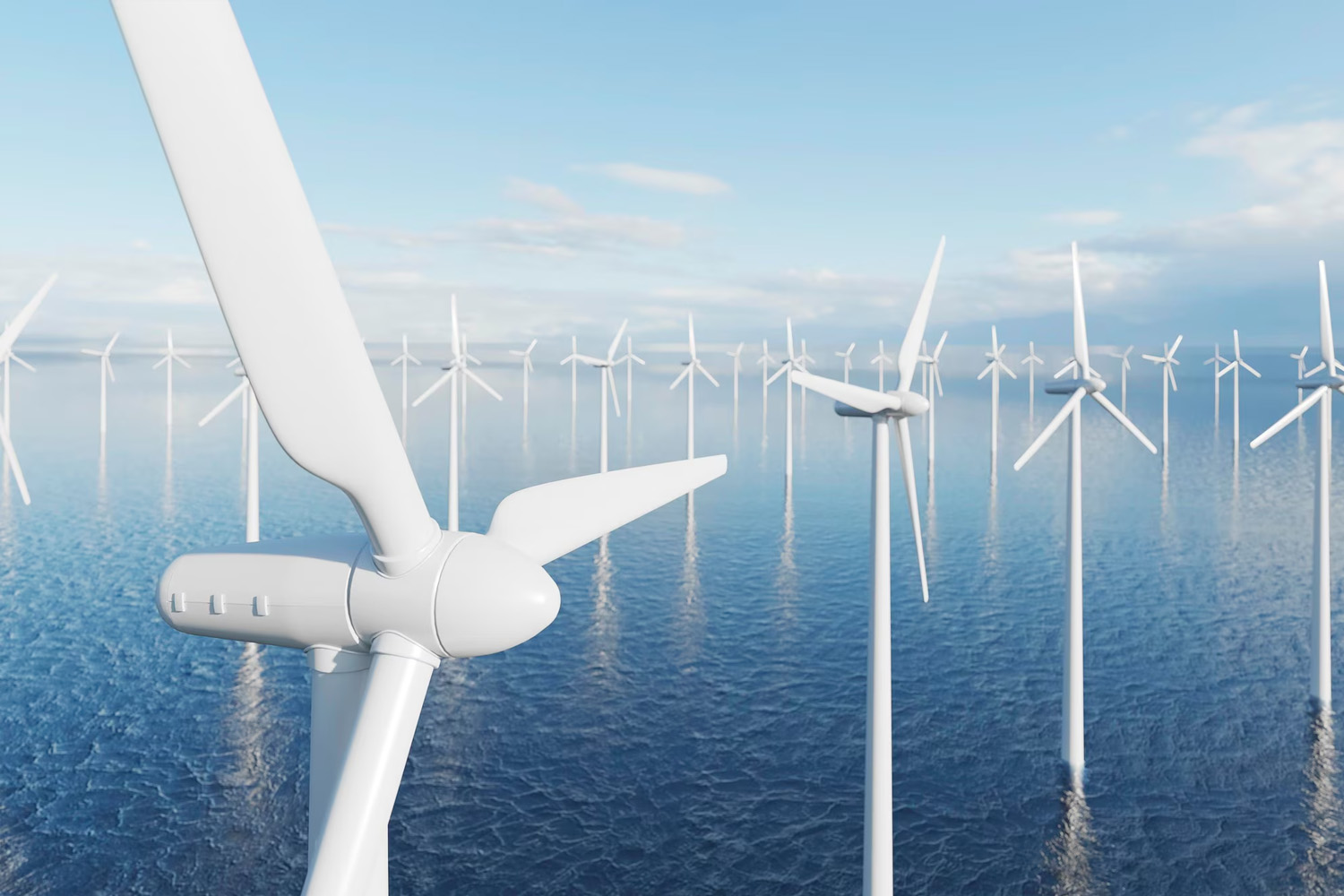
Denmark’s Ørsted A/S has one of the most dramatic transformation stories in the energy sector. Originally headquartered in fossil fuels, Ørsted now produces the vast majority of its energy from renewable sources, particularly offshore wind power. The company has set targets to be carbon neutral in power generation and has been investing in both offshore and onshore wind, solar, and energy storage solutions.
Ørsted’s model exemplifies how a legacy energy company can successfully shift its portfolio toward sustainable power at scale.
Engie: Decade-Long Clean Energy Commitment
French utility Engie has pursued a strategic shift away from fossil fuel generation and toward renewable energy, decentralized power systems, and energy services for industrial and urban customers. Its approach includes exiting coal operations and deploying significant capital into wind, solar, and low-carbon solutions.
Engie’s renewable investments also focus on energy efficiency and service-oriented models, helping large organizations decarbonize while optimizing their energy use.
NextEra Energy: Powering Renewables and the Grid of the Future
In the United States, NextEra Energy is recognized as one of the world’s largest renewable energy providers, particularly in wind and solar generation. Its extensive project pipeline and integration of clean energy into grid infrastructure make it a key player in transitioning national power systems. Recent market reports highlight NextEra’s role in supporting emerging demand — including from energy-intensive technologies like artificial intelligence — and maintaining a robust outlook for renewable build-out in 2026.
SoftBank and OpenAI Investment in Renewable Infrastructure
Beyond traditional energy companies, strategic investments by tech and finance players are also reshaping the transition. A recent $1 billion joint investment by SoftBank and OpenAI into SB Energy — a renewable energy and data-center infrastructure company — underscores the growing link between clean power and high-growth technology sectors. SB Energy’s projects include large solar plants supporting both data infrastructure and broader grid decarbonization efforts.
Additional Renewable Investment Trends
While legacy oil majors have faced challenges balancing fossil operations and clean energy spending, many have publicly announced plans to shift capital to low-carbon projects, including wind, solar, green hydrogen, and battery storage. These investments are partly driven by shareholder pressure and regulatory expectations, with some companies earmarking significant portions of their capital expenditure for renewable initiatives through 2027 and beyond.
Global dominance in renewable manufacturing — particularly by Chinese companies responsible for most of the world’s solar panel and wind turbine production — also provides critical backbone support for these transitions.
Why These Pivots Matter
Investing in renewable energy and energy transition technologies is essential for meeting climate goals, reducing carbon emissions, and ensuring long-term energy security. As capital flows toward clean power and away from traditional fossil fuels, companies that proactively restructure their portfolios are better positioned to capture growth in emerging markets while mitigating regulatory and environmental risks.
The success of these pivots will continue to influence energy markets, investor confidence, and global decarbonization efforts throughout the remainder of the decade.