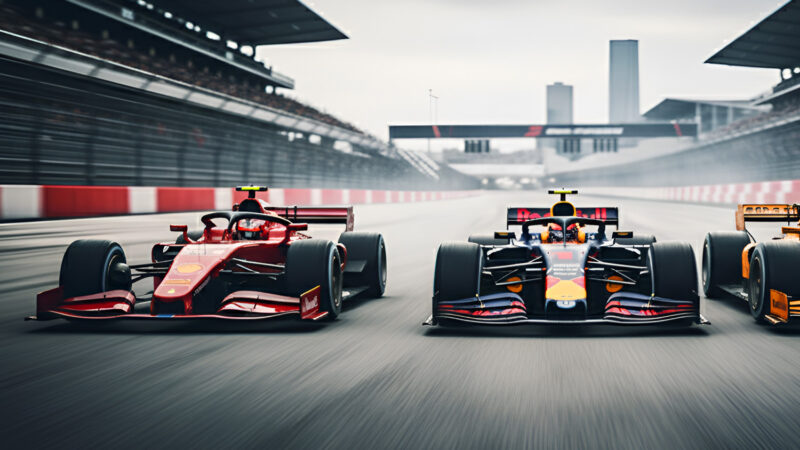
In recent years, major motorsport categories have introduced team budget caps—strict financial limits on how much teams can spend over a season. Designed to control rising costs and narrow the performance gap between wealthy and smaller teams, budget caps are reshaping how competitions operate. One of the most notable examples is Formula 1, which implemented a cost cap structure beginning in 2021, with continued adjustments in the following seasons. While caps vary depending on the series and year, the overall aim is the same: to create a more sustainable and competitive environment.
Why Budget Caps Were Introduced
Motorsport has traditionally been dominated by teams with the largest financial resources. High spending on research, development, aerodynamics, and staffing allowed top teams to advance far quicker than their rivals. Over time, this created a competitive imbalance and growing financial pressure across the industry.
Budget caps were introduced to address challenges such as:
- Runaway development costs driven by technological arms races
- Financial instability for mid-tier and smaller teams
- Competitive predictability, where outcomes often favored the highest spenders
- Long-term sustainability, ensuring teams can survive economic fluctuations
By standardizing spending limits, regulators aim to protect the sport’s competitive diversity and financial health.
What Budget Caps Cover
Although specific rules differ by category, budget caps typically cover:
- Car development and upgrades
- Engineering operations
- Certain personnel costs
- Testing and performance-related expenses
Some categories exempt costs such as driver salaries, marketing, and top executive pay, depending on regulations.
How Budget Caps Change Team Strategy
The introduction of caps has forced teams to rethink how they manage resources. Instead of relying on sheer spending power, competitive advantage now depends more on efficiency, innovation, and strategic planning.
Key shifts include:
- Smarter R&D investments: Teams prioritize upgrades with the highest performance return.
- More balanced competition: Smaller teams have better opportunities to catch up.
- Operational discipline: Wasteful spending and oversized departments become unsustainable.
- Greater emphasis on long-term planning: Every decision must fit within seasonal financial limits.
These changes influence everything from car design to race-weekend logistics.
Impact on Competition Dynamics
Early results from motorsport series implementing caps show a visible tightening of performance gaps. While top teams still benefit from experience and infrastructure, the field has become more competitive, with more teams able to challenge for points, podiums, and strategic advantages.
Some long-term effects include:
- Closer racing due to fewer resources for extreme optimization
- Increased unpredictability as mid-level teams gain ground
- More sustainable team operations, reducing financial risks
- A shift from pure spending power to competitive ingenuity
As regulations continue to evolve, budget caps are expected to remain a key part of motorsport governance.
The Future of Budget Caps in Motorsports
Budget caps represent a significant shift in how motorsports balance innovation, fairness, and economic stability. As more categories consider adopting similar structures, the sport may enter a new era where technology, strategy, and financial discipline combine to create more engaging and equitable competition.
Whether fans embrace the changes or debate their impact, one thing is clear: budget caps are redefining what it means to compete at the highest level of racing.