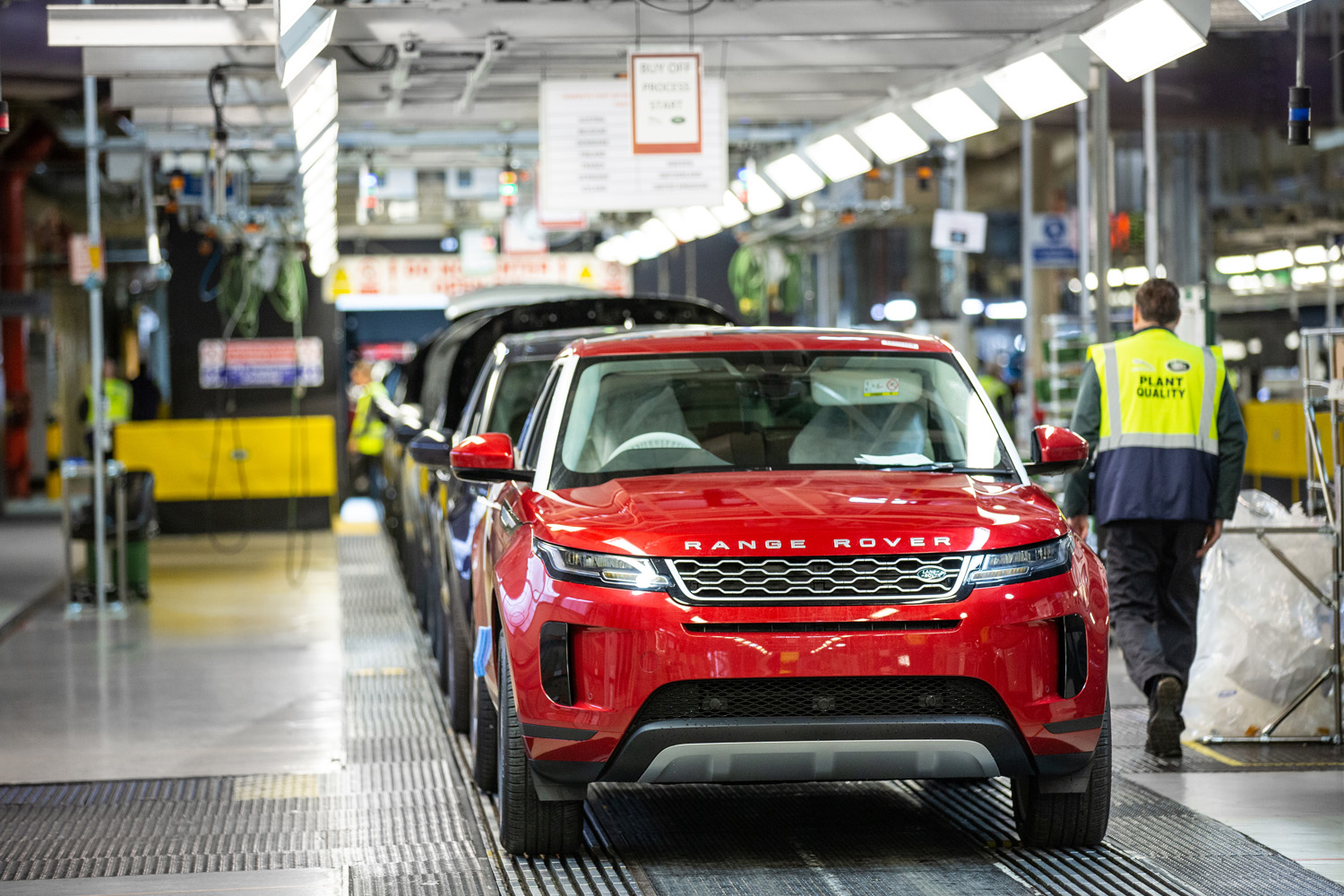
Jaguar Land Rover (JLR) has restarted parts of its vehicle manufacturing operations following a cyberattack that shut down factories and disrupted its supply chain for nearly a month. The phased reboots mark the beginning of recovery, but significant challenges remain for the company and its partners.
What Happened & Timeline
- The cyberattack was first revealed publicly on September 2, 2025, when JLR acknowledged that its “retail and production activities have been severely disrupted.”
- JLR’s three UK factories—located in Solihull, Halewood, and its engine plant in Wolverhampton—were shut down beginning August 31, as the company took affected systems offline to limit damage.
- Initially, the pause in production was expected to be brief, but as forensic investigations unfolded, JLR extended the shutdown multiple times. Production was formally scheduled to remain halted until October 1, 2025, at the earliest.
- As of late September, JLR announced a phased, partial restart of manufacturing in the “coming days.”
Impacts & Fallout
Financial and Operational Costs
- JLR is estimated to have lost £50 million per week (or more) due to halted production.
- The disruption sharply affected not just JLR but many of its suppliers: smaller firms reported pressure on cash flow, reduced hours, and in some cases the threat of insolvency.
- The UK government has stepped in; it has backed £1.5 billion in loan guarantees to assist JLR and its supplier network during this crisis.
- JLR also secured a £2 billion emergency credit line, providing liquidity for at least the next 18 months.
Cybersecurity, Governance & Reputation
The hack exposed vulnerabilities in JLR’s reliance on outsourced IT infrastructure. Much of its systems had been managed by Tata Consultancy Services (TCS), which has been central to JLR’s digital operations.
Analysts warned that in modern “smart factories” where operations and IT are deeply integrated, a breach of core systems can cascade rapidly into production, logistics, supplier coordination, and finance.
A hacking group calling itself Scattered Lapsus$ Hunters has claimed responsibility, linking the incident to similar attacks on retail and consumer companies.
Supply Chain Strain & Employment
JLR’s network supports hundreds of suppliers across the West Midlands and beyond. Many small firms have warned that weeks without orders could push them to lay off staff or shut down.
Approximately 33,000 people work directly for JLR in the UK; an estimated additional 200,000 jobs in the supply chain depend on steady production.
Recovery Strategy & Risks
- The restart is being conducted in phases and sections, not a sudden full-scale reactivation, to allow for additional security checks, system validation, and coordination with suppliers.
- JLR has emphasized coordinating with the National Cyber Security Centre and law enforcement to ensure that operations resume “in a safe and secure manner.”
Ongoing Risks
- There is risk of secondary attacks or system re-infection, particularly while full forensic work continues.
- Supplier readiness is uneven; some partners may not be able to ramp up in sync, causing bottlenecks in components and subassemblies.
- Financial stress remains: some suppliers may have limited reserves and risk insolvency before cash flow recovers.
- Reputational damage could impact customer trust and investor perception, especially if data exposure or future cyber lapses are revealed.
What This Means
Resilience is now a core industrial priority. The JLR incident underscores that cybersecurity can no longer be treated as an IT afterthought but must be integrated into operations, supply chain design, and contingency planning.
- Governments and industries may recalibrate regulation. In response, we may see stricter rules, oversight, or incentives for cybersecurity standards across automotive, manufacturing, and critical infrastructure sectors.
- Supply chain health is a bellwether. Whether JLR’s upstream suppliers recover and stay solvent will be key to sustained production continuity.
- Customer and market sentiment will matter. Delays, backlog, or loss of confidence can ripple through JLR’s sales and brand positioning.