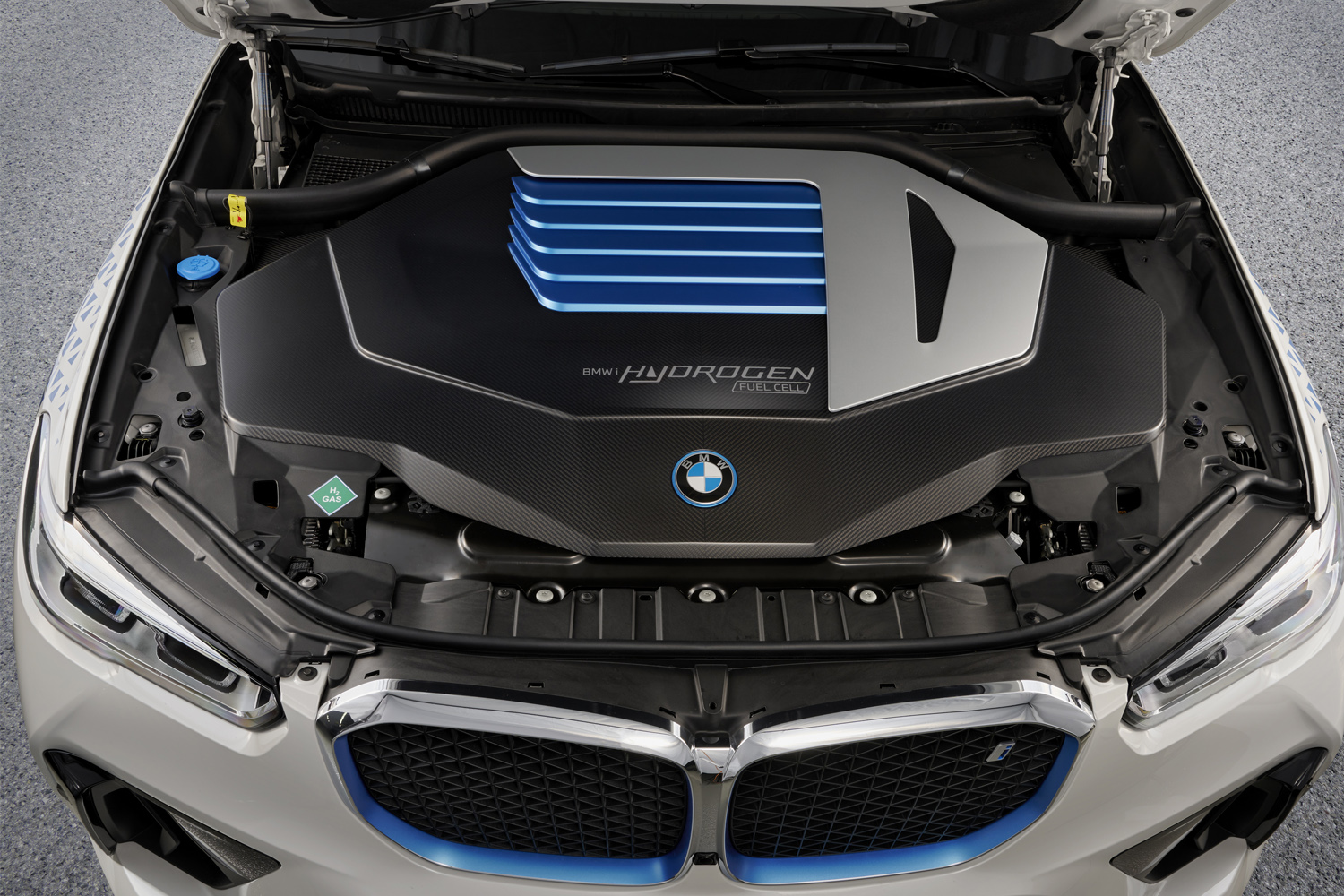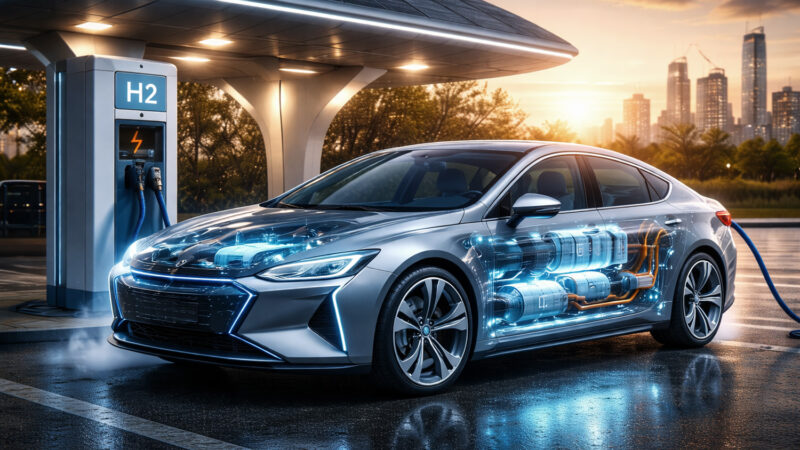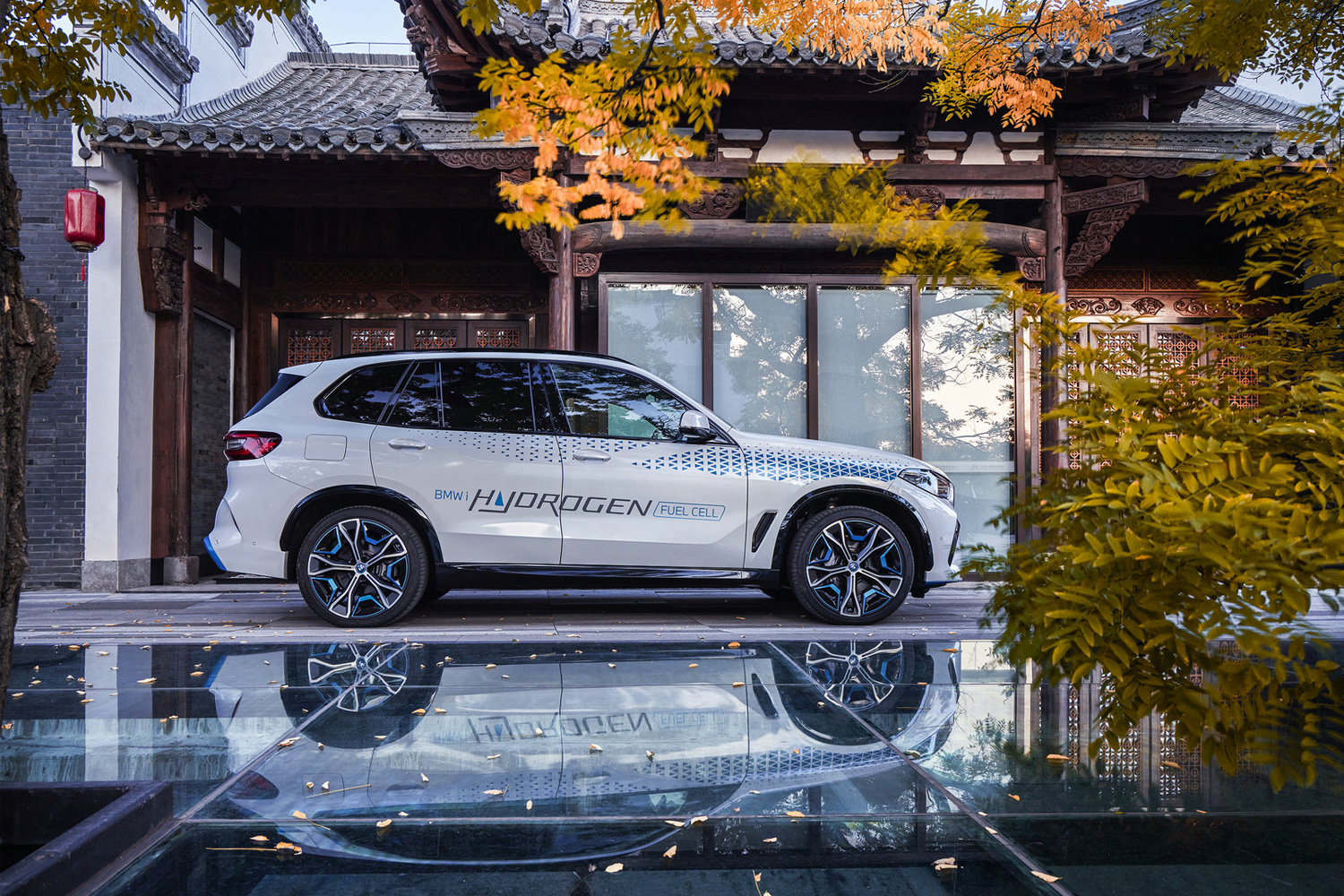
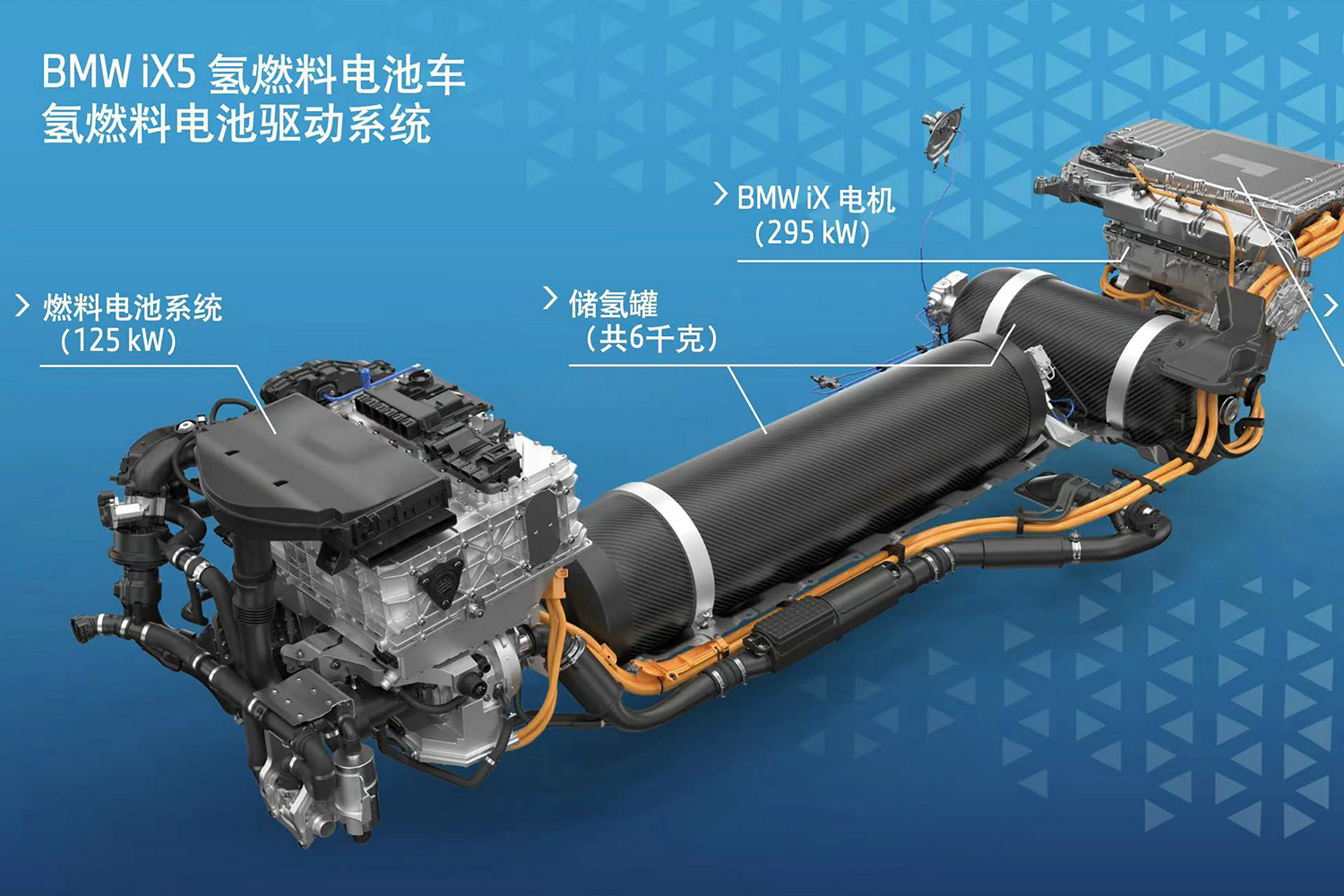
BMW has officially confirmed plans to bring a hydrogen-powered version of its X5 SUV to market in 2028, marking a major step in the company’s long-term vision for zero-emission mobility. The hydrogen model will use fuel-cell technology, producing electricity on board from hydrogen and emitting only water vapor.
Building on the iX5 Hydrogen Prototype
BMW has already tested this concept with its iX5 Hydrogen prototype fleet, which was deployed globally in pilot programs to gather real-world data. The new production model will build on these findings, integrating BMW’s latest drivetrain technologies and benefitting from the company’s cooperation with Toyota on hydrogen fuel-cell systems.
Why Hydrogen?
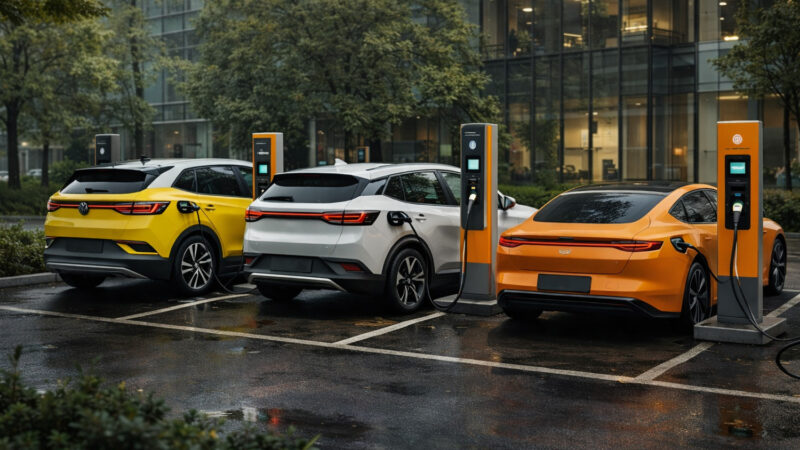
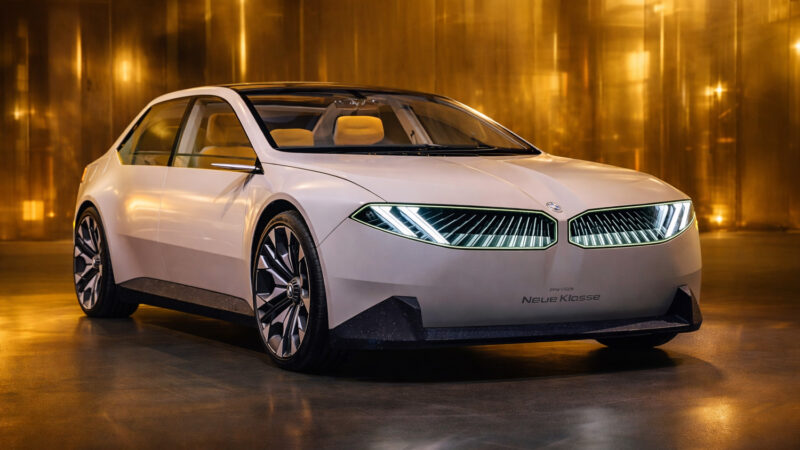
While BMW is heavily investing in battery-electric vehicles (EVs) through its Neue Klasse platform, the company believes hydrogen can complement battery technology — especially for:
- Long-distance driving – hydrogen refueling can take just a few minutes, comparable to filling a gasoline tank.
- Heavy or high-usage vehicles – larger SUVs and commercial fleets can benefit from hydrogen’s higher energy density.
- Markets with limited charging infrastructure – hydrogen may offer a practical solution where EV charging networks are underdeveloped.
Challenges Ahead
Despite its promise, hydrogen mobility faces significant hurdles:
- Infrastructure – hydrogen refueling stations remain limited in most countries.
- Cost of production – green hydrogen (made from renewable energy) is still expensive compared to fossil fuels.
- Scaling fuel-cell production – BMW will need to manufacture fuel cells and storage systems at competitive costs to make the vehicle viable.
The Bigger Picture
BMW’s announcement reflects a strategy of technology openness — developing multiple solutions for carbon-neutral mobility, including battery-electric, plug-in hybrid, and hydrogen fuel-cell vehicles. If the hydrogen X5 launches successfully in 2028, it could become one of the first widely available premium hydrogen SUVs on the market and play an important role in diversifying the future of zero-emission transport.