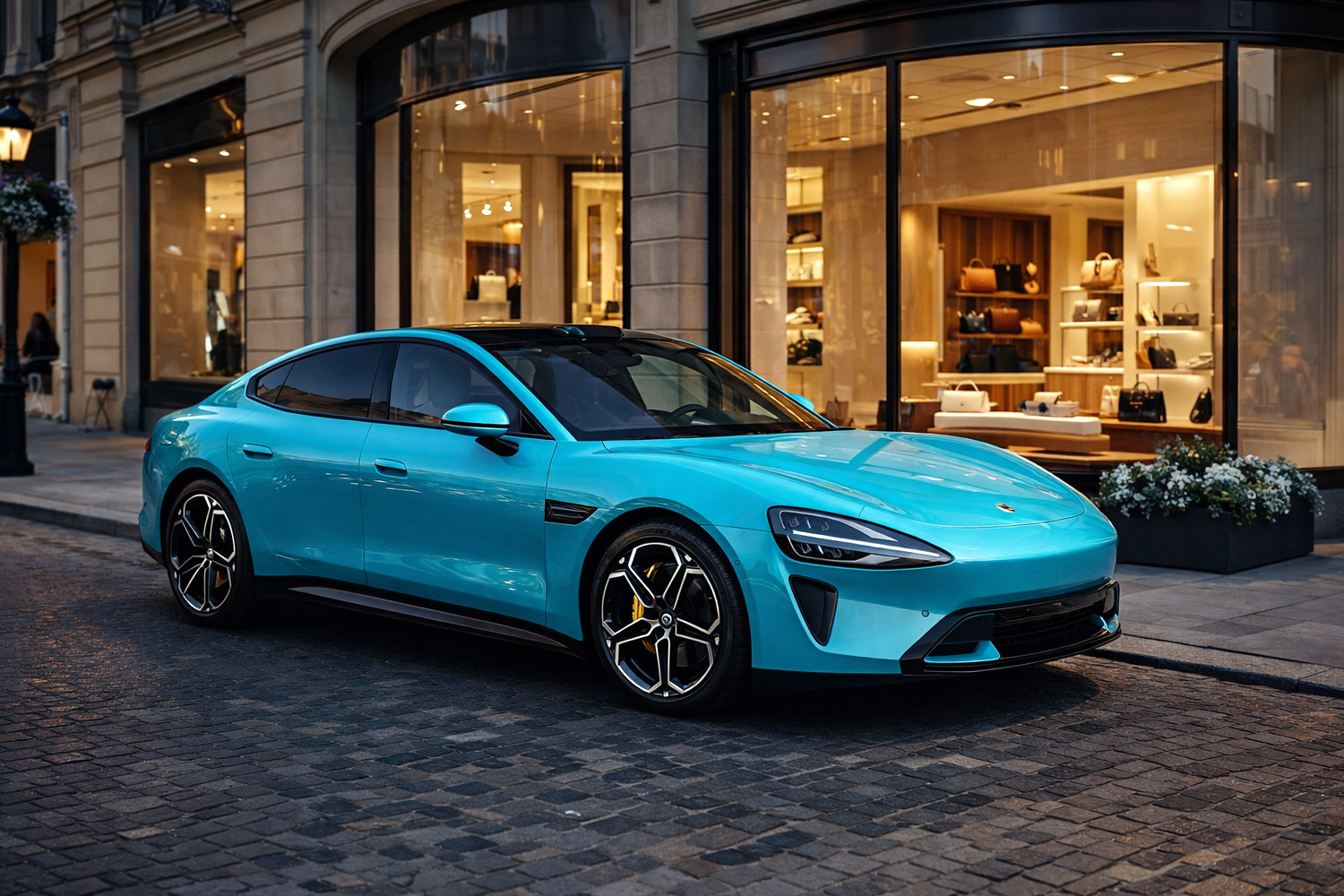
China’s electric vehicle market is the largest in the world, and Xiaomi, the tech giant best known for smartphones and smart devices, has quickly become a standout player. Since officially launching its automotive division and first EV in 2024, Xiaomi Auto has rapidly built market share — breaking into the top 10 new energy vehicle (NEV) sellers in China with about 3.3% share in August 2025, according to the China Passenger Car Association (CPCA).
Why it matters: Xiaomi’s rise shows how a technology ecosystem brand can disrupt a traditionally industrial market. It competes directly with legacy automakers and EV leaders like Tesla by combining tech strengths with electric mobility. Consumers and industry watchers see Xiaomi as a trendsetter that may reshape EV pricing, connectivity, and global competition.
Market Presence & Growth
Xiaomi EV deliveries have surged since launch. By late 2025, the company was regularly shipping 40,000+ vehicles per month, with December 2025 setting a new record of over 50,000 deliveries — a sign of rising demand in China’s fiercely competitive EV market.
In October 2025, Xiaomi even outsold Tesla in China for the first time, delivering 48,654 EVs vs. Tesla’s 26,006 units.
This milestone highlights how local brands can outperform well-established Western electric automakers on their home turf.
Model Range — What Xiaomi Offers
Xiaomi’s current EV lineup in China includes:
- SU7 – Flagship electric sedan: Xiaomi’s first EV, launched in March 2024. It’s offered in multiple trims (Standard, Pro, Max) with competitive pricing starting around RMB 215,900 and long CLTC range figures.
- YU7 – Electric SUV: Introduced in mid-2025, the YU7 has become a key growth driver and accounted for a large share of monthly deliveries, challenging models like Tesla’s Model Y.
Xiaomi has also teased performance and future variants like SU7 Ultra, expanding its appeal to drivers seeking high performance — though official sales timelines vary.
Key Advantages of Xiaomi EVs
Tech integration: Xiaomi leverages its strong consumer electronics ecosystem. Its HyperOS connectivity links cars with smartphones and smart home devices — a differentiator that appeals to tech-oriented buyers.
Competitive pricing: Xiaomi’s EVs are positioned with aggressive pricing compared to rivals, helping it attract buyers seeking value and features.
Rapid delivery growth: Record monthly delivery numbers show rising demand and expanding production capacity.
Trend impact: Xiaomi’s success illustrates how digital brands can enter and succeed in heavy industries like automobile manufacturing — potentially influencing global EV strategies and competitive positioning.
Final Insight
In less than three years since entering the automotive space, Xiaomi has become a serious contender in China’s EV market. With strong delivery numbers, a growing model lineup, and technology-driven features, Xiaomi EVs are gaining consumer trust and challenging established automakers. As the company prepares to expand internationally, its progress in China provides a blueprint for how tech innovation and smart pricing can accelerate EV adoption.