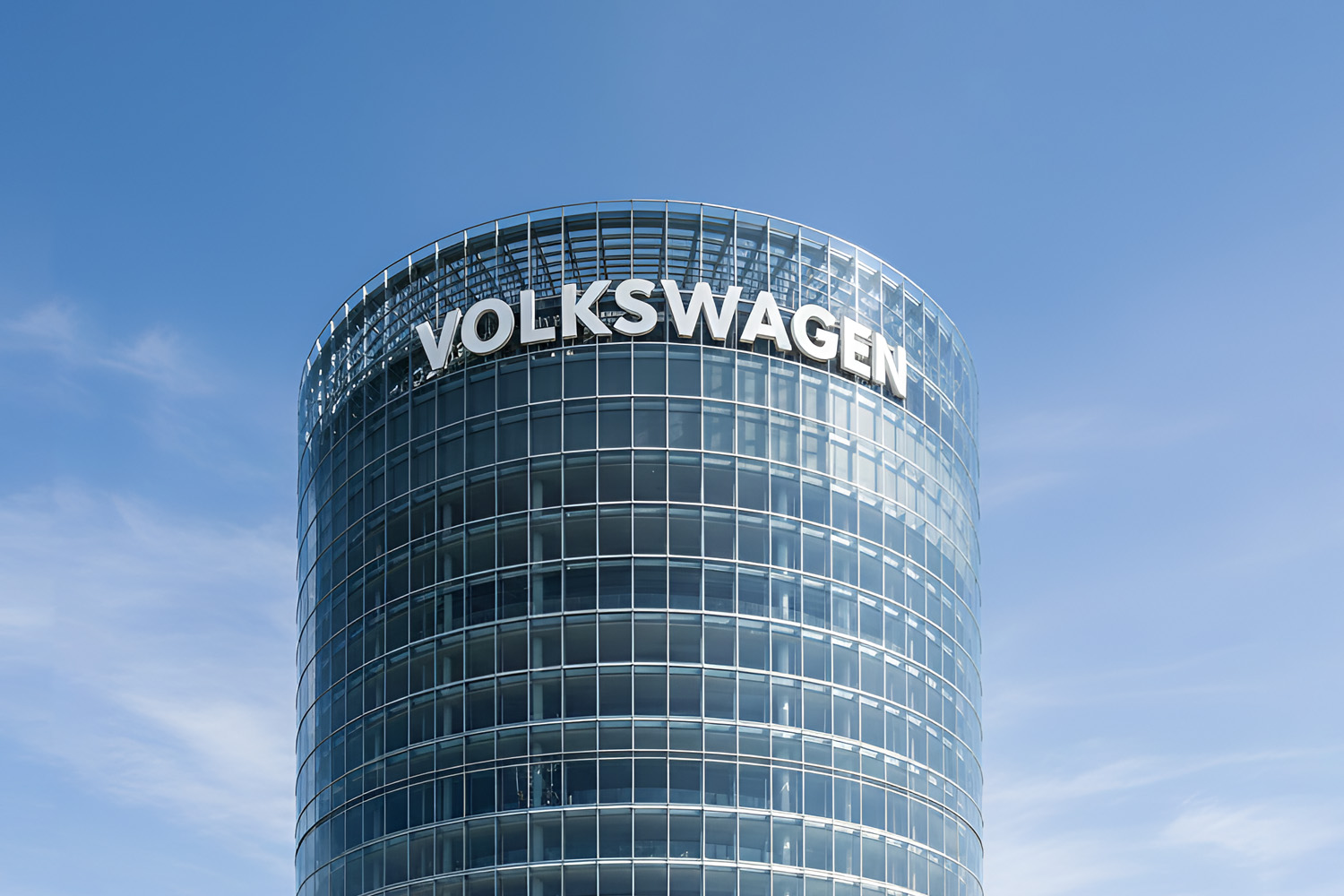
German automaker Volkswagen has taken an unprecedented step by closing a production facility in its home country, marking a historic shift in its operational strategy. In December 2025, Volkswagen ended vehicle production at the Dresden plant, known as the Transparent Factory, which became the first facility the company has shuttered in its 88-year history.
Weak Demand and Market Pressures
The closure of the Dresden plant reflects persistent challenges in key global markets. Volkswagen has faced sluggish demand in both Europe and China, its two largest automotive markets, which has put significant pressure on production volumes and profitability. Weaker sales, especially for electric models in certain segments, reduced the plant’s utilization far below broader industry standards.
Financial and Competitive Strains
In addition to soft demand, Volkswagen has dealt with rising production costs in Germany and external economic pressures, including tariffs on vehicle exports to the United States, which have increased costs and squeezed margins. These factors contributed to a broader need to streamline operations and cut costs across the company.
Part of a Broader Restructuring Strategy
The Dresden closure is part of a wider restructuring program that Volkswagen agreed with labor unions in 2024, aimed at improving competitiveness and financial sustainability. Plans include reducing overall capacity in Germany and cutting up to 35,000 jobs by 2030. While the Dresden site is closing its production line, broader investment continues in other plants and future technologies as VW adjusts to a changing automotive landscape.
Transformation of the Dresden Site
Although vehicle production has ceased, Volkswagen and local partners are planning to repurpose the Dresden facility rather than abandon it entirely. The company signed a letter of intent with the Technical University of Dresden and the state government to develop the site into an innovation campus focused on advanced technologies such as artificial intelligence, robotics, microelectronics, and chip design. This transformation, with planned investments of over €50 million over several years, aims to keep the site active in future-oriented sectors.
Historical Significance
Opened in 2001, the Transparent Factory initially produced luxury models and later electric vehicles, including the ID.3. Its closure as a manufacturing site marks a symbolic moment for Volkswagen — the first domestic production shutdown in nearly nine decades — highlighting the profound changes and competitive pressures facing traditional automakers in the era of electrification and global market shifts.