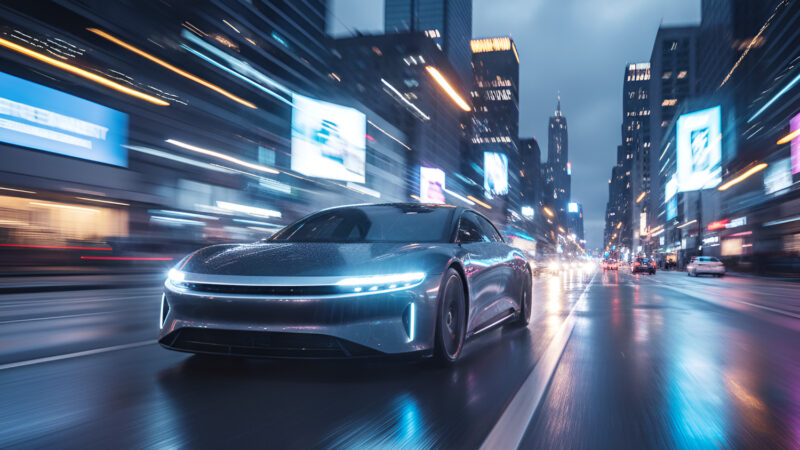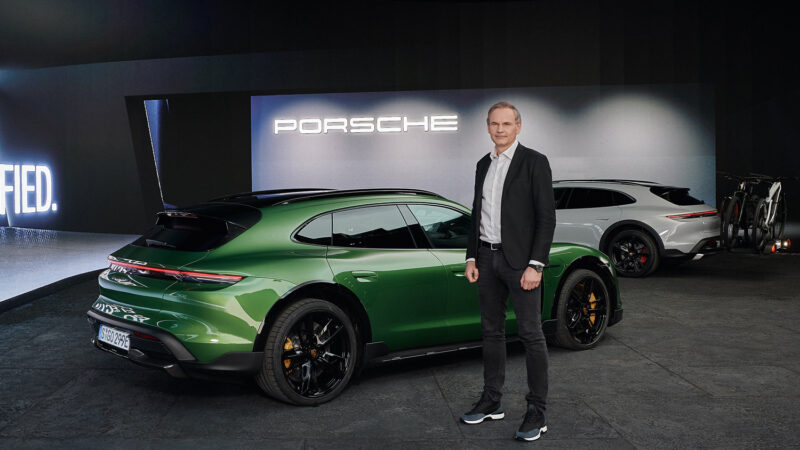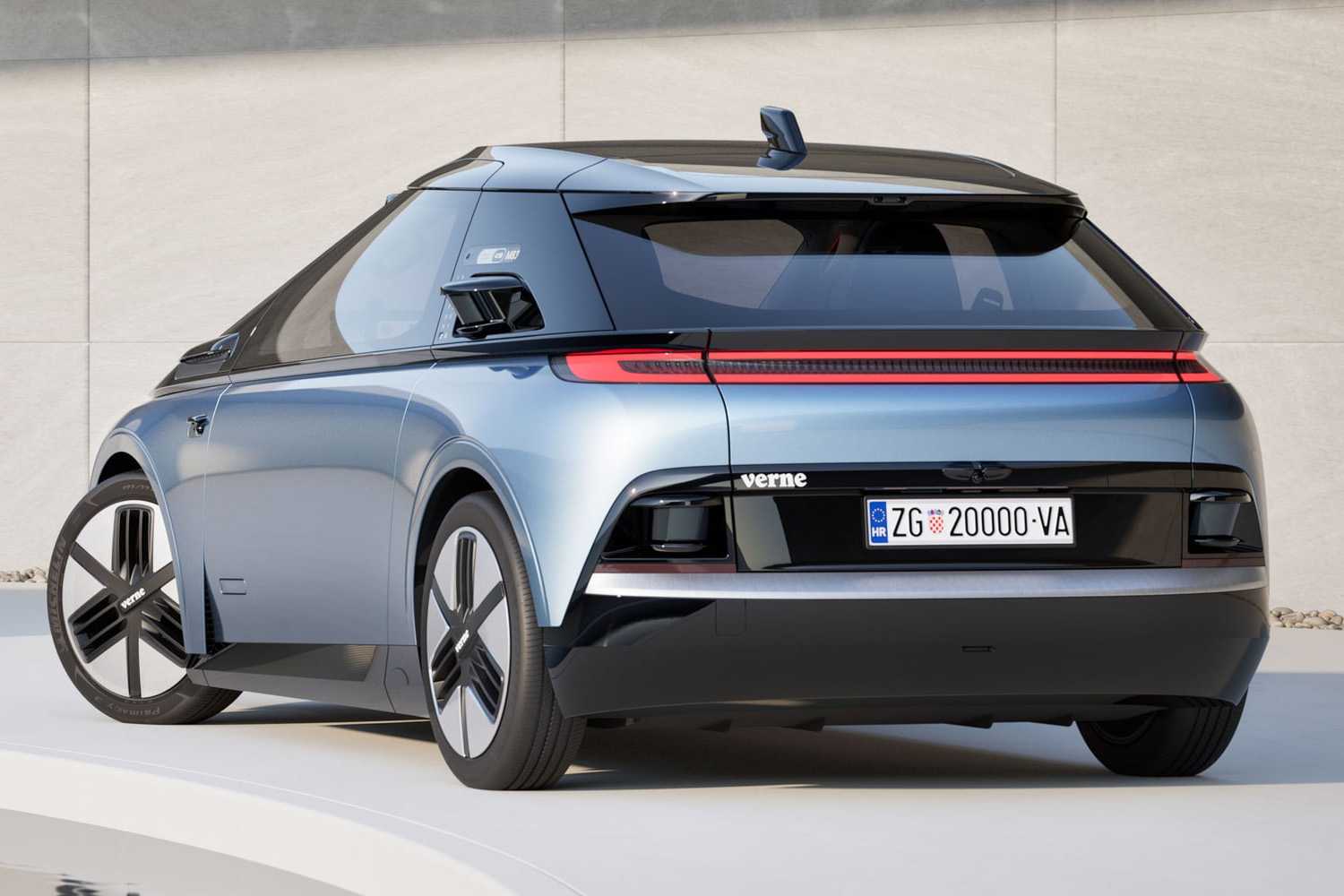
Mate Rimac — known globally for his electric supercars — is now making headlines with a bold new venture far from high-speed hypercars: a fully autonomous robotaxi service called Verne. The project is set to redefine urban mobility with self-driving, all-electric taxis designed from the ground up as robotaxis.
What is Verne and Why It Matters
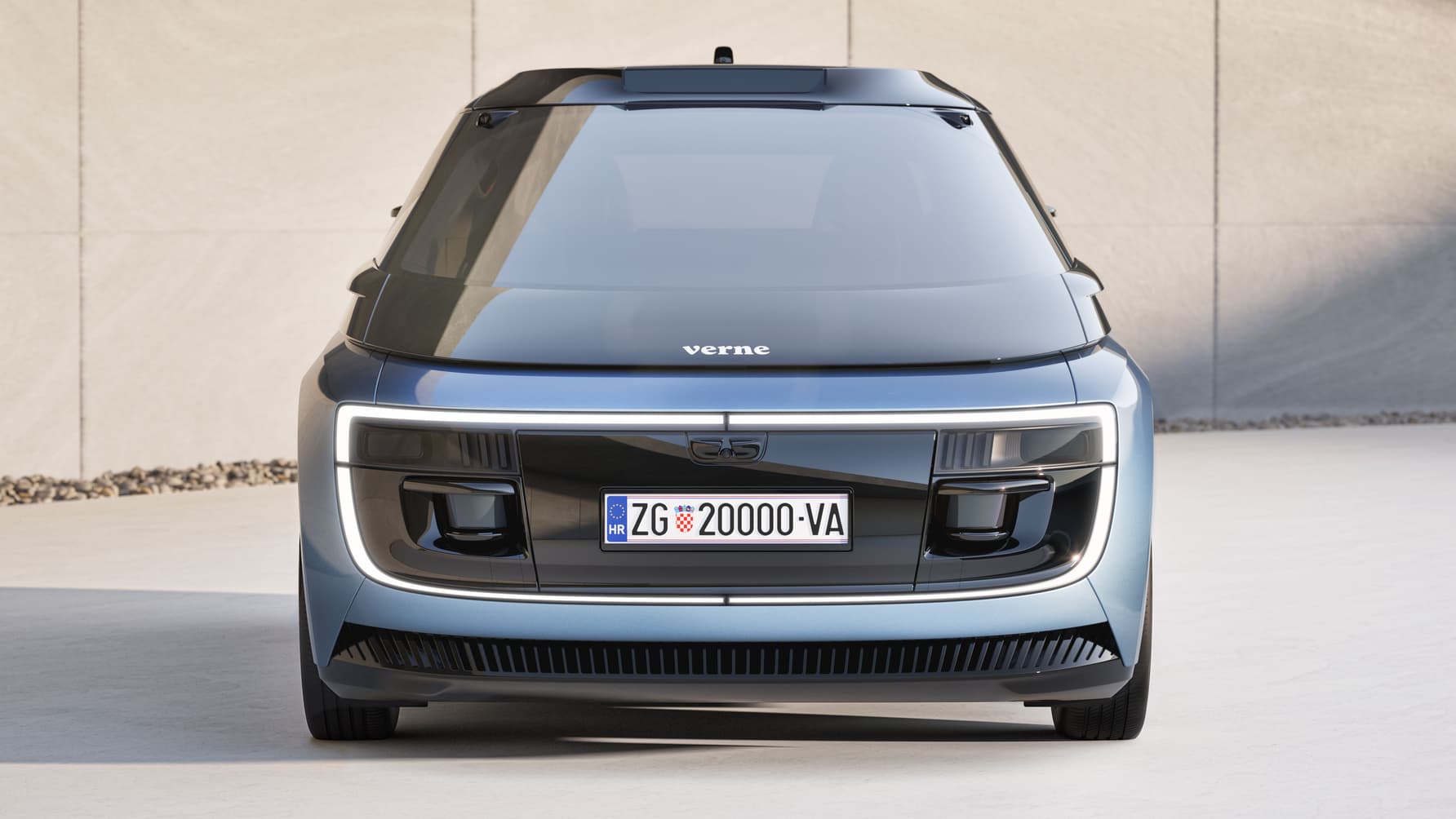
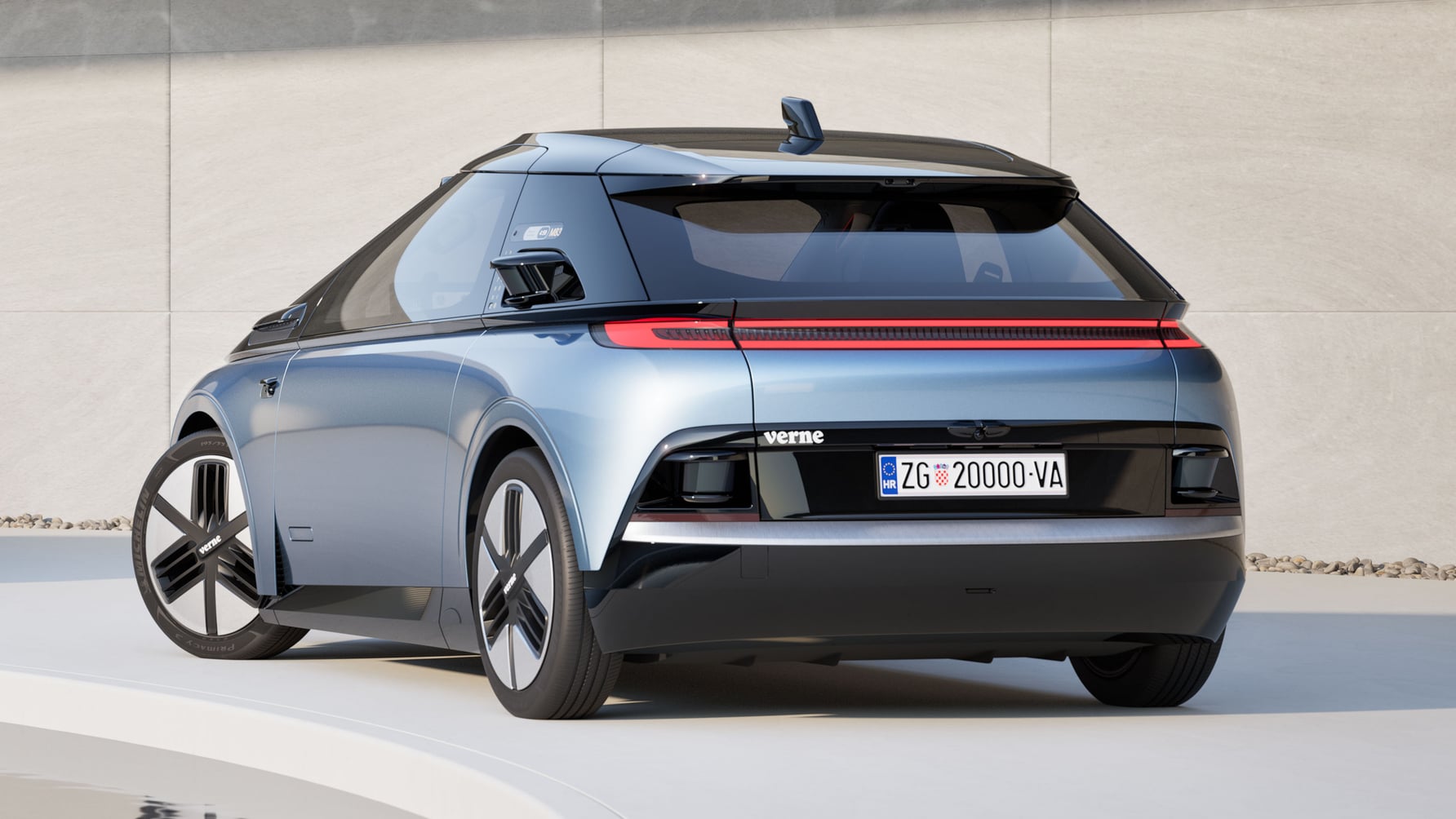
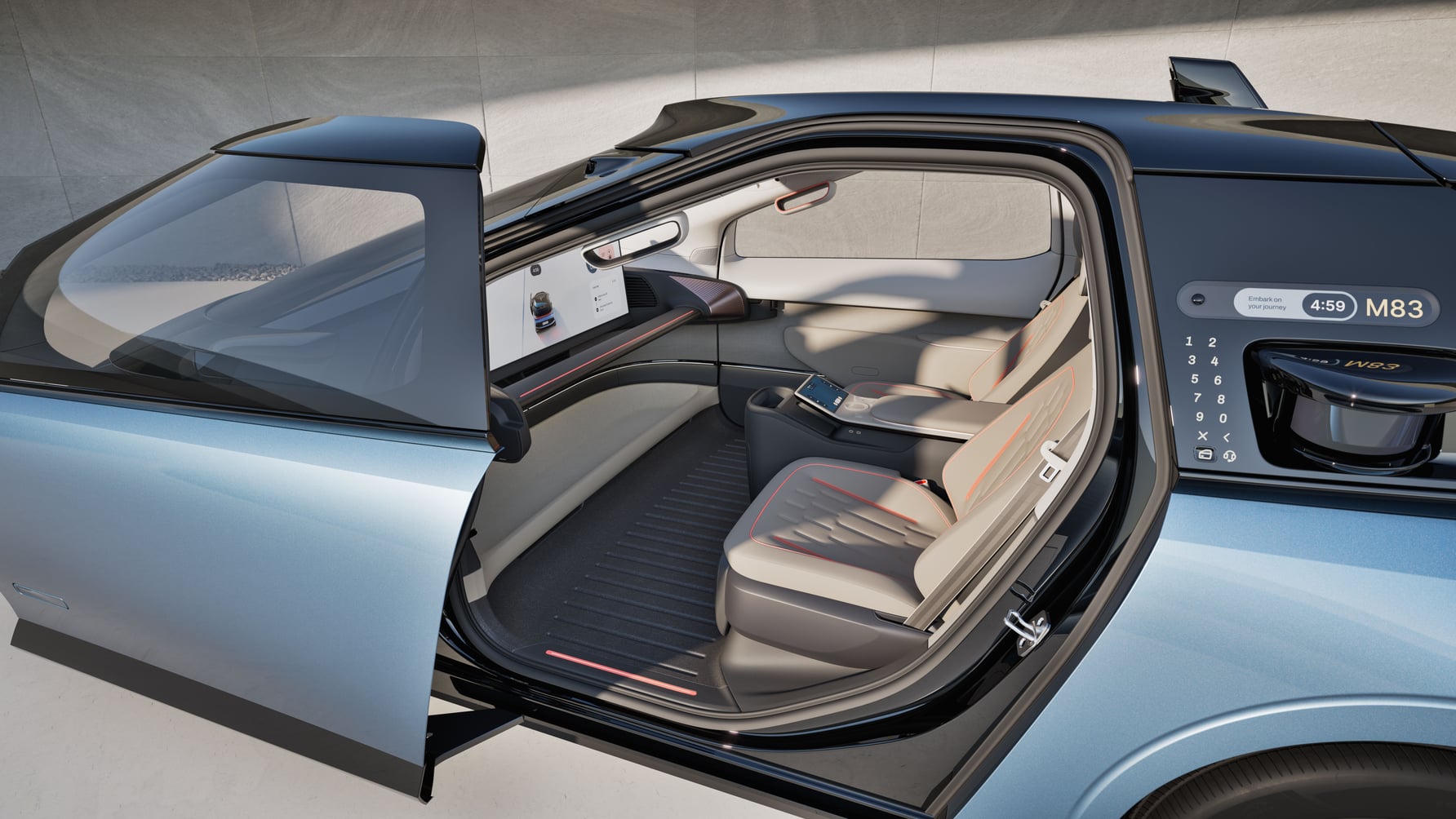
- Verne isn’t relying on retrofitted cars — instead, each vehicle is purpose built from scratch for autonomous ride-hailing. The design eliminates steering wheels and pedals, focusing on comfort and convenience rather than driving.
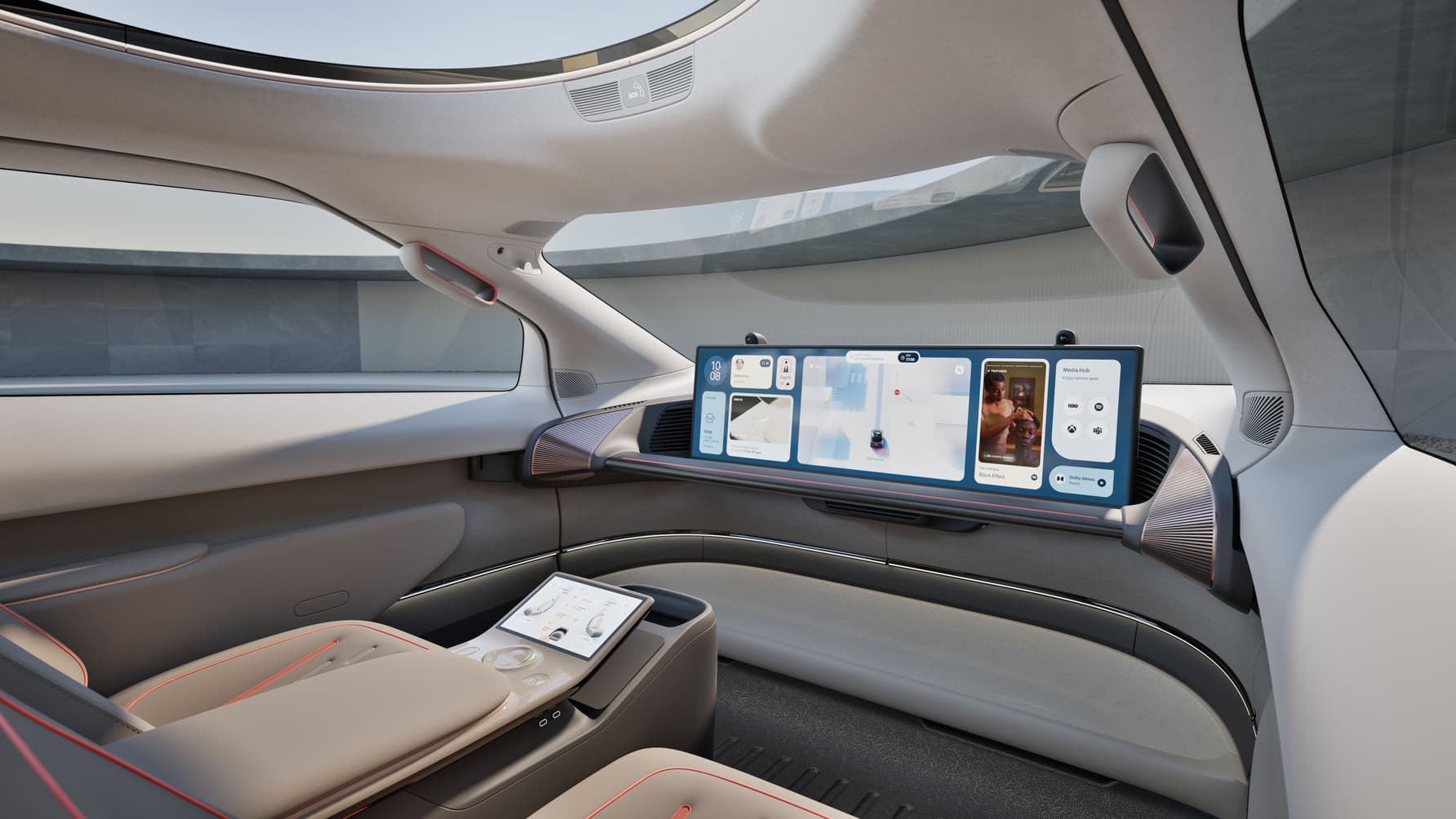
- Interior experience is described as more like a “mobile lounge”: the cabin features reclining seats, a large 43-inch display for media or work, premium audio, ambient lighting and even customizable climate and scent settings — all configurable through a dedicated ride-hailing app.
- The driving system uses advanced autonomous technology (cameras, radar, LiDAR) via the Mobileye Drive platform, aiming for Level-4 autonomy: the vehicle handles all driving tasks within its operational domain.
Progress So Far: Prototypes & Factory
- As of late November 2025, Mate Rimac publicly revealed that 60 Verne robotaxi prototypes have been built and are ready. This milestone was a condition tied to European funding, and its fulfilment shows the project is advancing on schedule.
- A factory near Zagreb (Croatia) has begun construction and is expected to start producing robotaxis in 2026. The first vehicles will also be built there.
- The plan, according to company announcements, envisions deployment not only in Zagreb (first city) but expansion to other European, UK, and Middle Eastern cities starting 2026–2027.
Timeline & What to Expect
- Testing and verification of prototypes already underway in 2025. As Rimac said, the 60-vehicle threshold was a key milestone to qualify for funding and begin pre-production validation phases.
- Commercial launch is planned for spring 2026 in Zagreb — with “Mothership” hubs for charging, maintenance, cleaning and fleet operations as part of a full ecosystem.
- Expansion to multiple cities across EU, UK, and the Middle East — with initial agreements reportedly covering 11 cities, and negotiations ongoing with more.
Why This Could Matter for Urban Mobility
- Accessibility: Because driverless taxis remove the need for a human driver, Verne could make taxi-style travel accessible to people who don’t drive — older adults, people with disabilities, or those without licenses.
- Affordability & convenience: The plan aims to offer rides cheaper than many existing ride-hailing services, while offering a higher comfort level than typical taxis or rideshares.
- Reduced congestion & emissions: As an electric, shared mobility solution, Verne could help reduce private car ownership, congestion, and urban emissions — especially in cities seeking greener transit options.
Challenges and What Could Still Go Wrong
- Regulation & safety approval: Even with prototypes ready, full commercial operation depends on regulatory approval — safety, liability, and local traffic laws may slow deployment.
- Technical reliability and public trust: Autonomous driving systems must prove safe, reliable, and comfortable. Any incidents could delay or derail adoption.
- Infrastructure needs: Verne requires a network of hubs for charging, cleaning, maintenance, which must be built and maintained in each city of operation.
- Market competition: Global players and legacy automakers are also developing robotaxi solutions. Verne must deliver on its promises to stand out.
What’s Next
Over the coming months, all eyes will be on Verne’s on-road testing in Zagreb, regulatory approvals, and the pace of factory build-out and city-by-city deployment. If Rimac meets his schedule, 2026 could mark the first real wave of driverless, purpose-built electric robotaxis — possibly reshaping how we commute in cities.
Given the fresh reveal of 60 prototypes, a dedicated factory under construction, and early city agreements, Verne is positioned to be among the first major commercial robotaxi networks — and a serious test of mass-market autonomous urban mobility.
(Photo: Verne)