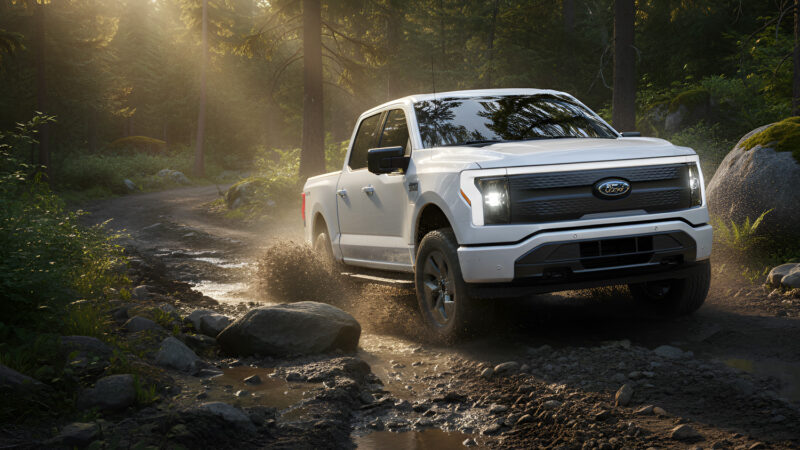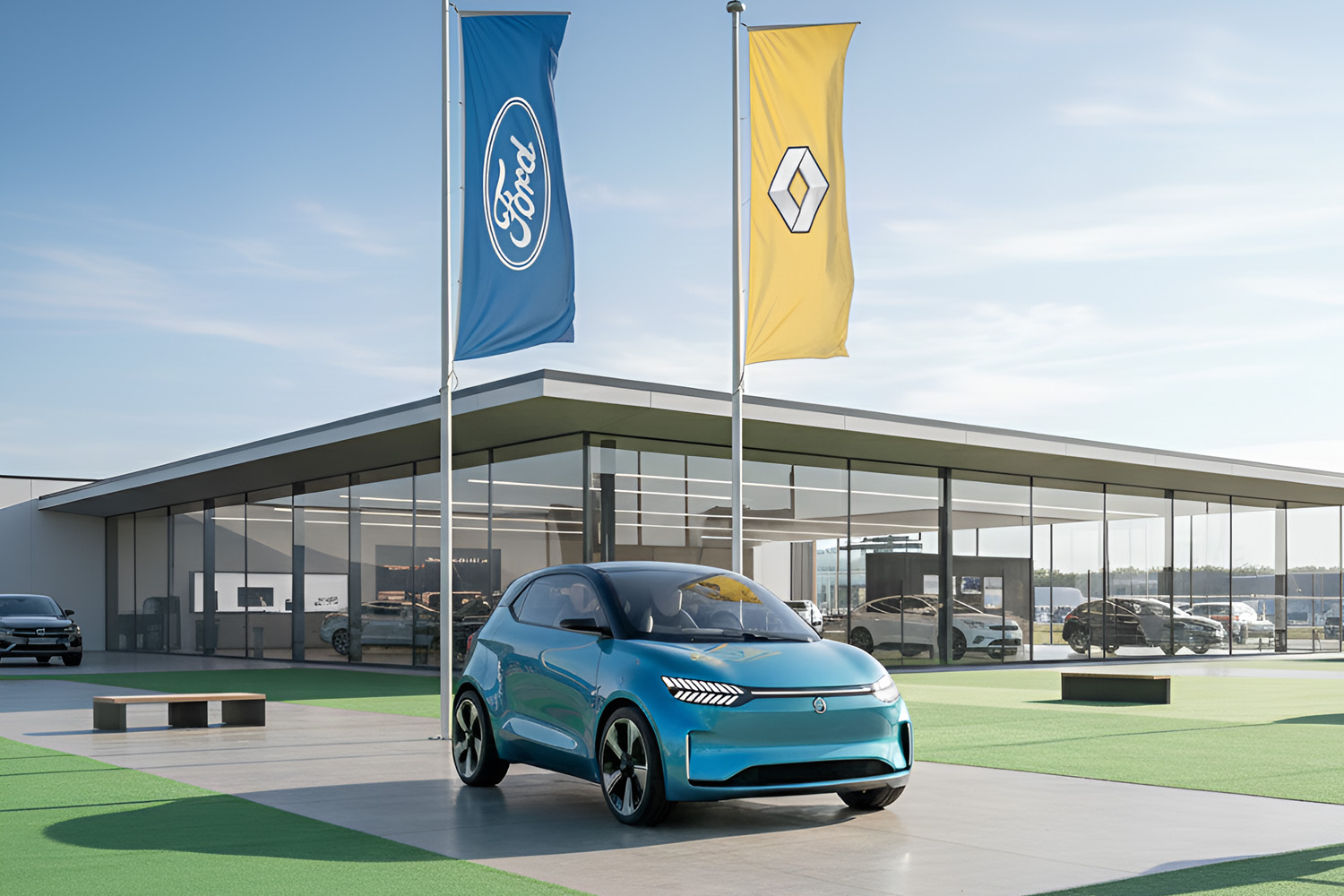
On December 9, 2025, Ford Motor Company (Ford) and Renault Group announced a landmark strategic partnership to develop small, budget‑friendly electric vehicles (EVs) and light commercial vans for the European market.
What the Agreement Includes
- The partnership will deliver two new Ford‑branded passenger EVs, built on Renault’s EV platform (the “Ampere” platform).
- Production will take place at Renault’s factory in northern France (ElectriCity), leveraging Renault’s existing EV assets and manufacturing capacity.
- The first of these new, small EVs is expected to hit European showrooms in early 2028.
- In addition to passenger EVs, the two automakers agreed to explore joint development and production of light commercial vehicles (vans) under both Renault and Ford brands.
Why This Move Matters
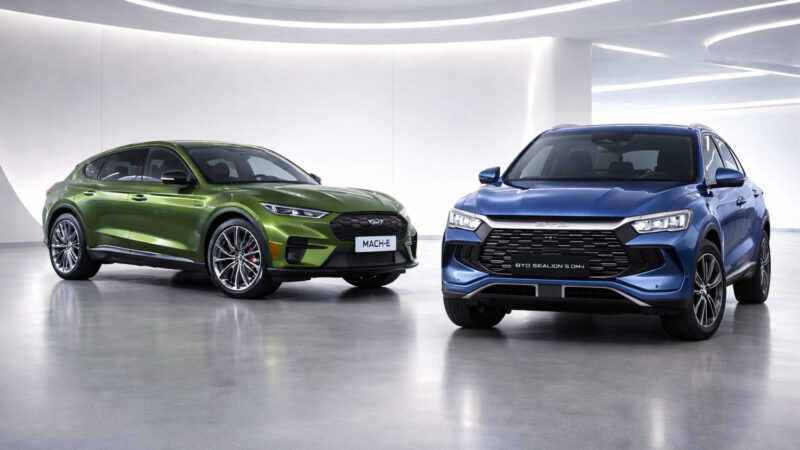
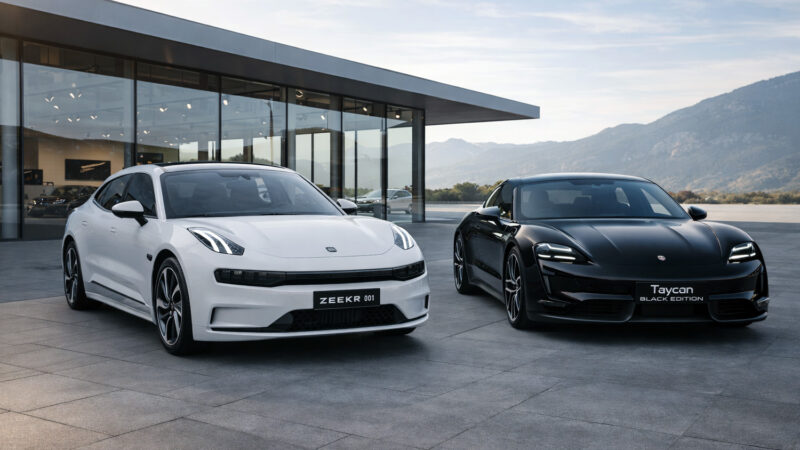
- Ford’s CEO Jim Farley said the deal is essential as European automakers face intensifying competition from low‑cost Chinese EV makers like BYD, Changan Automobile, and XPENG.
- For Ford, this cooperation represents a strategic effort to revive its competitiveness in Europe — a market where its share of passenger car sales has decreased significantly in recent years.
- For Renault, the deal offers a way to better utilize its EV‑production capacity and scale up output by collaborating with a major global automaker.
What to Expect
- The upcoming Ford‑Renault EVs will likely be smaller and more affordable than Ford’s typical U.S. models, tailored to European preferences and price-sensitive buyers.
- The collaboration could reshape the competitive landscape in Europe’s EV segment, especially as Chinese automakers continue to expand their presence.
- The planned vans may also give both companies a strong advantage in the light commercial vehicle (LCV) sector — combining Ford’s brand and design with Renault’s manufacturing efficiency.
Bottom Line
The Ford‑Renault partnership is one of the most significant moves in Europe’s auto industry in late 2025. By combining strengths — Renault’s EV platform and production capacity, and Ford’s design and brand recognition — the two automakers aim to produce affordable EVs and vans that can compete with Chinese imports and revive their relevance in a changing market. The first vehicles are expected by 2028, marking a turning point in how legacy automakers respond to the EV revolution.