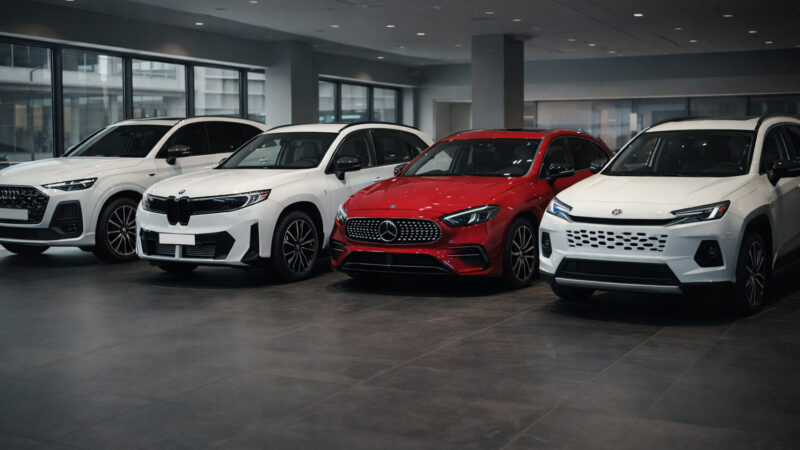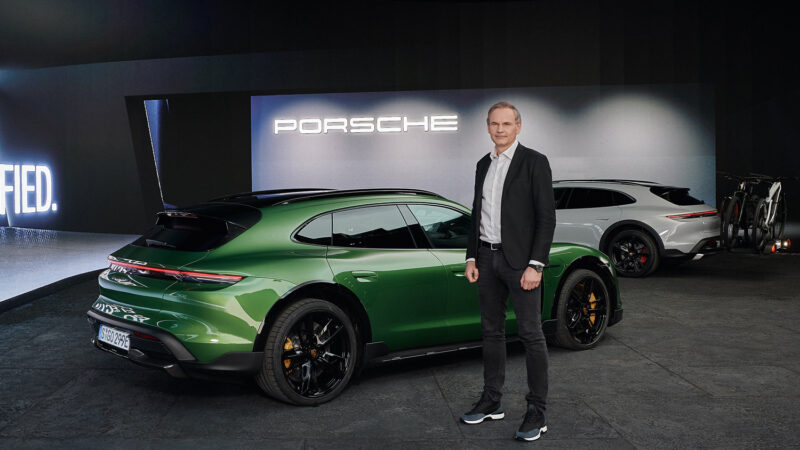
A growing chorus of traditional carmakers is calling on the European Union to reconsider its 2035 plan to ban sales of new petrol- and diesel-powered cars, arguing the target is too rigid and risks destabilizing the industry.
Why Carmakers Are Pushing Back
- The European Automobile Manufacturers’ Association (ACEA) recently submitted a proposal to the European Commission asking for more “flexibility” around the 2035 goal. They argue that the current plan assumes overly optimistic market conditions.
- Key demands include:
- Recognizing carbon-neutral “e-fuels” so some combustion-engine cars can still be sold after 2035.
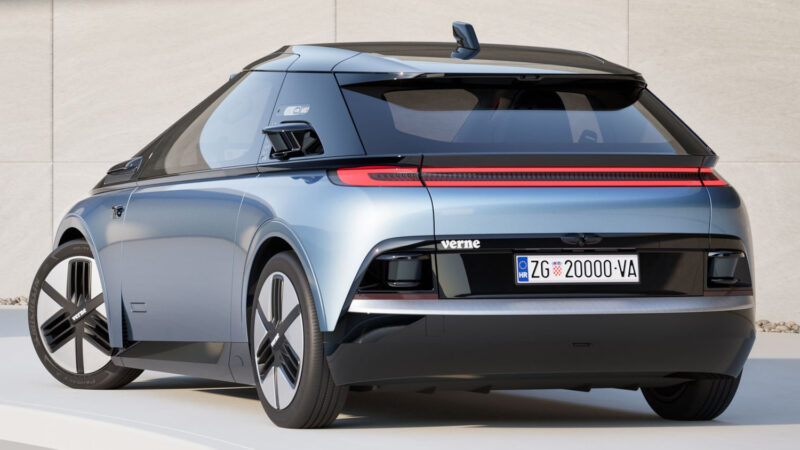
- Offering additional credits for automakers that sell smaller EVs.
- Easing fines or penalties for manufacturers who fail to meet emissions targets.
- These automakers cite increasing competition from China, high energy costs, and faltering demand for EVs as serious obstacles to the EU’s aggressive emissions roadmap.
Voices from Within the Industry
- Germany’s automotive lobby group (VDA) has called for a “de facto reversal” of the 2035 ban, suggesting that a limited number of low-emission combustion cars should still be allowed.
- BMW CEO Oliver Zipse described the ban as a “big mistake,” warning it could weaken Europe’s auto industry and increase dependence on Chinese battery imports. He proposes that emissions rules should also target fuel producers—not just carmakers.
- Meanwhile, over 150 electric and clean-tech companies (including Volvo, Polestar, Uber, and IKEA) are urging the EU not to rollback the 2035 target, saying it’s crucial for long-term investment certainty.
What’s Changing Now
- In May 2025, the Council of the EU adopted a temporary change to its CO₂ regulation: automakers can now average their emissions over 2025–2027 instead of meeting strict annual limits.
- This amendment is part of the EU’s broader Industrial Action Plan to support car manufacturers during the energy transition.
- At the same time, upcoming policy reviews could reopen debate on whether the 2035 zero-emission target should be adjusted or made more flexible.
Implications
- If the EU eases its 2035 mandate, it could preserve some traditional auto-industry jobs and ease the financial strain on legacy manufacturers.
- However, weakening the target risks undermining climate goals, potentially slowing the transition to electric vehicles and reducing long-term investment in EV technology.
- The debate reflects a deeper tension: how to balance industrial competitiveness with environmental ambition — and whether a “one-size-fits-all” 2035 deadline is realistic for all automakers.