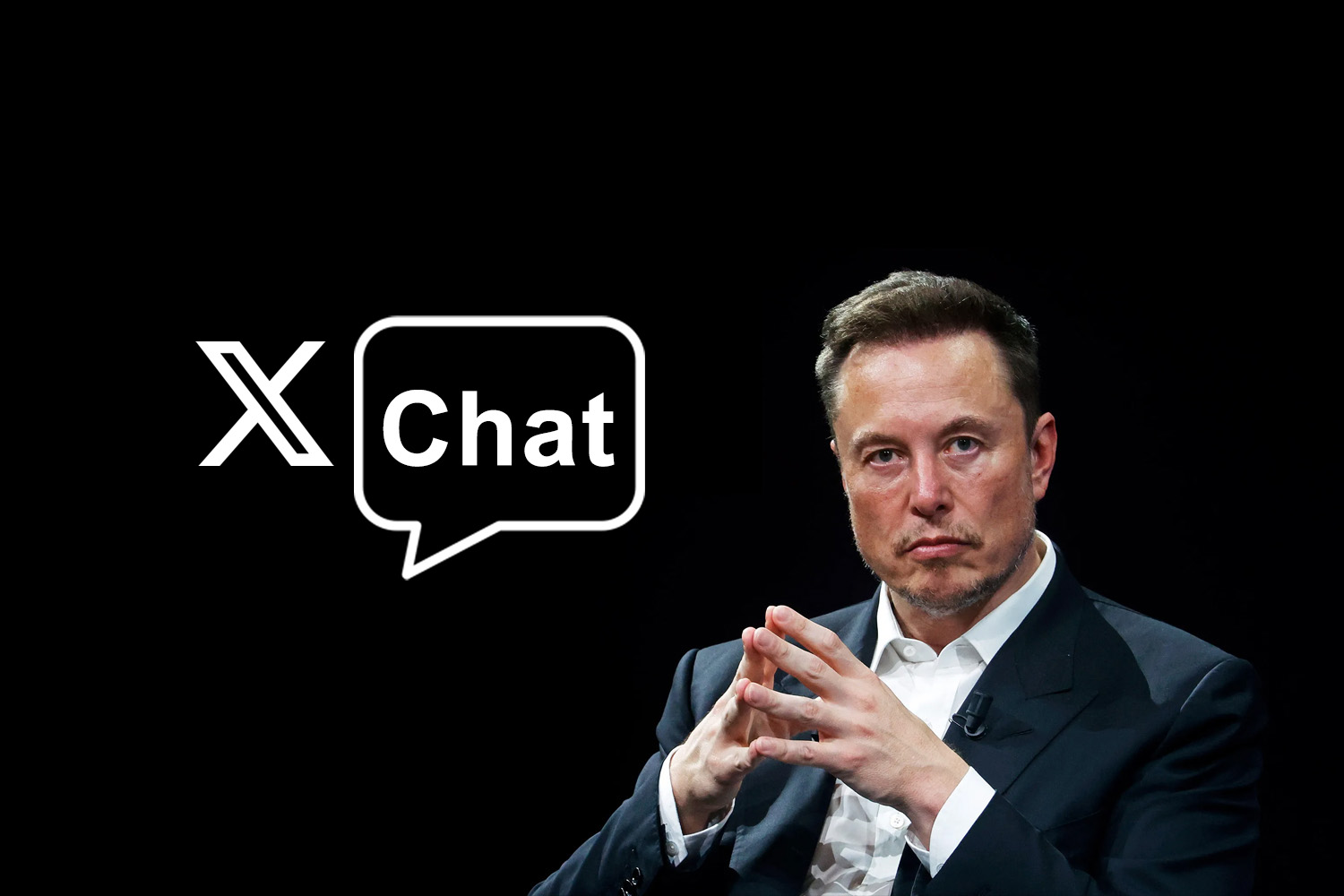
In a bold move to transform digital communication, tech entrepreneur Elon Musk has announced the launch of X Chat, a next-generation messaging platform designed to compete head-on with established apps like WhatsApp, Signal and Telegram. The announcement, made in late 2025, signals Musk’s ambition to evolve his social media platform X (formerly Twitter) into an “everything app” that seamlessly integrates messaging, media, payments and more.
What is X Chat?
X Chat is the newly re-built direct messaging architecture within X, currently in beta for Premium-level users, with a standalone app slated to follow in the coming months. According to Musk, the platform has been “rebuilt entirely” and runs on the programming language Rust, incorporating what he calls “Bitcoin-style” peer-to-peer encryption.
Key Features
- End-to-end and peer-to-peer encryption: Musk describes X Chat’s infrastructure as “similar to Bitcoin,” aiming to reduce reliance on central servers.
- Vanishing messages: Users will be able to send messages that disappear after a set time.
- File sharing & media support: The platform supports sending varied file types, including attachments beyond basic text.
- Audio & video calls (no phone number required): Unlike many rivals that require a phone number, X Chat allows voice and video communication via X-handles.
- No ad-tracking hooks (claimed): Musk said the service “won’t have hooks for advertising,” positioning it as more privacy-focused.
Why this matters
The messaging-app market is dominated by WhatsApp, Signal and Telegram, all of which have established user bases and trust frameworks. X Chat’s entrance signals that X aims to become more than just a social feed-it wants to own your private conversations too. Many observers view this as a step toward creating a “super app” akin to China’s WeChat that blends social media, messaging, commerce and payments.
If X successfully integrates messaging with its existing social feed and eventual payments infrastructure, it could shift user behaviour: instead of logging into separate apps, users might spend more time in one unified ecosystem.
Challenges & Skepticism
Despite the bold claims, experts remain cautious. Some cryptography analysts point out that the term “Bitcoin-style encryption” is misleading: while Bitcoin uses robust cryptography, its blockchain isn’t encrypted in the conventional sense.
Also, many of X Chat’s features remain in beta and are only available to select paying users-so real-world security, usability and trust still need proving.
Another concern: shifting users away from apps they already trust (with long track records) isn’t trivial. Privacy-first users may remain with Signal or Telegram until X Chat demonstrates full transparency, audits, and independent verification.
What comes next
In the coming months, X expects to roll out the standalone X Chat app to all users and expand feature sets (such as full video-call capability, further integrations and possibly payments) as part of Musk’s vision for a unified platform experience. To succeed, X will need to handle large scale, maintain robust encryption, cultivate trust and expand globally beyond its current user base.
Final Take
X Chat marks a significant strategic pivot for X under Elon Musk’s leadership-from social micro-blogging to full-blown private communications. If the features deliver on their promise, and trust follows, it could reshape the messaging landscape and challenge incumbents. For now, it remains an ambitious bet-one to watch closely.