Political polarization has become one of the defining challenges of modern democracies, reshaping public discourse and testing the resilience of institutions worldwide. From the United States and Europe to Asia and Latin America, societies are increasingly divided along ideological, cultural, and even informational lines – with consequences that extend far beyond elections.
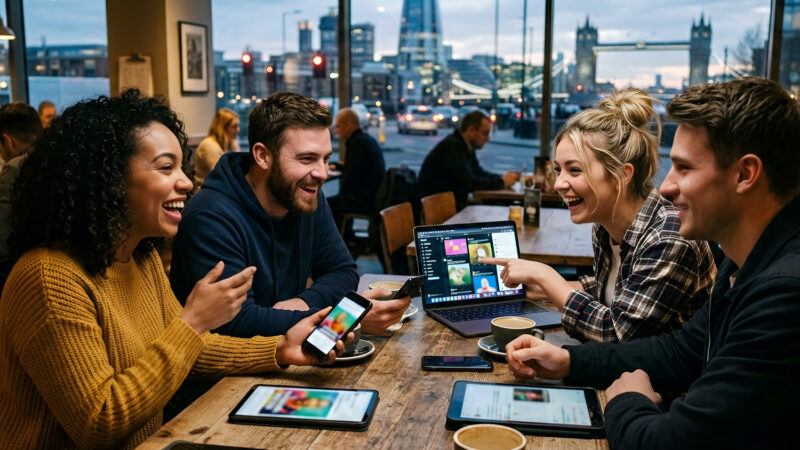
Experts identify several key drivers behind this global trend. One major factor is the rise of algorithm-driven media, which exposes individuals primarily to information that reinforces their existing beliefs. Social networks amplify outrage and tribal identities, making it easier for misinformation and partisan narratives to spread faster than fact-based reporting.
Economic and social inequalities have further deepened these divisions. As globalization and technological change reshape labor markets, many citizens feel left behind or unheard, leading to resentment and distrust toward political elites. Meanwhile, populist leaders have capitalized on these frustrations, framing politics as a struggle between “the people” and “the establishment.”
Restoring social trust requires more than fact-checking or censorship. Scholars argue for media literacy education, transparent algorithms, and community-level dialogue that bridges ideological divides. Encouraging critical thinking, promoting inclusive governance, and reforming digital platforms can help societies move toward healthier, more constructive political engagement.
Ultimately, addressing polarization is not just about reducing conflict – it’s about rebuilding a shared sense of reality and purpose that allows democracy to function effectively.