In recent years, democratic norms and human rights have come under increasing strain across the world. Once considered the global standard for governance and freedom, democracy is now facing unprecedented challenges – from political repression and censorship to weakened rule of law and shrinking civic spaces. Reports from leading international watchdogs indicate that the world is experiencing a sustained democratic decline.
According to Freedom House’s 2025 “Freedom in the World” report, global freedom has declined for nearly two decades in a row. Over 60 countries have seen worsening political and civil rights in the past year, while fewer than 30 have shown improvement. Nations that were once viewed as stable democracies are now grappling with populism, polarization, and mistrust in institutions.
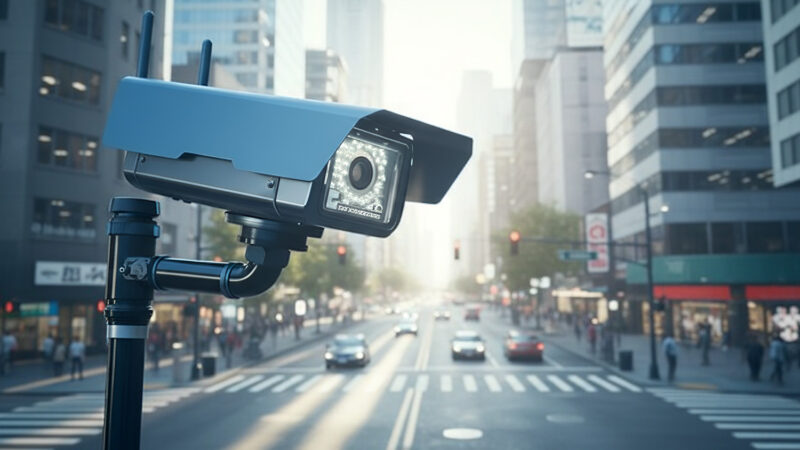
In Eastern Europe and Central Asia, restrictions on media, opposition parties, and civil society have deepened. Governments in several countries have passed legislation limiting protests, silencing journalists, and consolidating executive power. Similarly, in parts of Asia and the Middle East, surveillance technology and digital censorship have become tools of political control. China’s expanding model of state-led governance, combined with the use of advanced technology for monitoring citizens, continues to influence authoritarian practices in other regions.
Even established democracies have not been immune. The United States and several European countries are facing internal polarization and declining public confidence in democratic institutions. Social media manipulation, misinformation, and political extremism are testing the resilience of open societies. Meanwhile, the Global South faces ongoing challenges related to corruption, economic inequality, and human rights abuses, often exacerbated by weak judicial systems.
International organizations are working to confront this trend. The United Nations Human Rights Council (UNHRC), the European Union, and global NGOs such as Amnesty International and Human Rights Watch are increasing their efforts to document abuses, support activists, and pressure governments for reform. The UN’s Universal Periodic Review mechanism continues to hold member states accountable for violations, while regional human rights courts are pursuing justice for victims of state violence and repression.
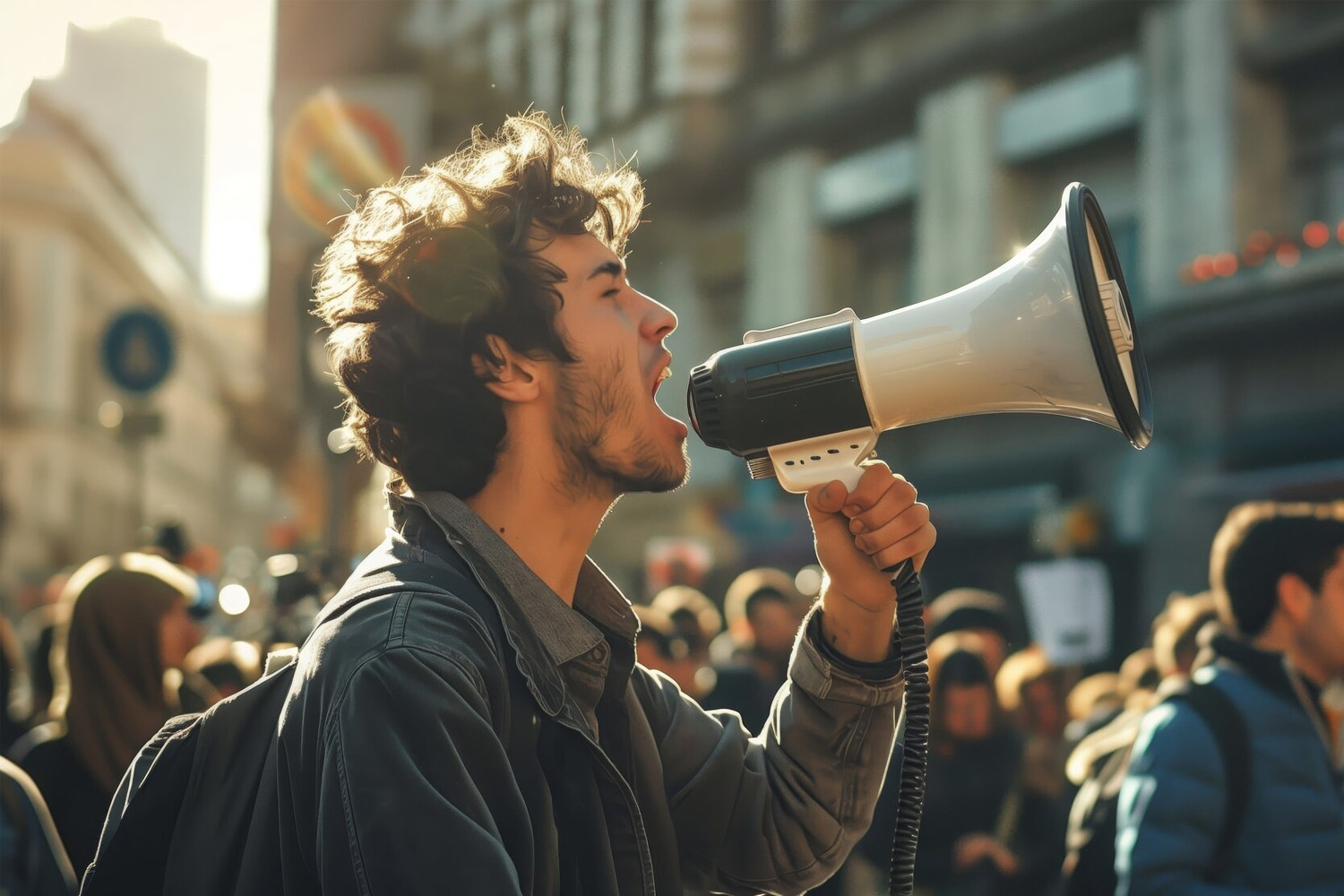
Technology and global advocacy are also becoming vital tools for resistance. Digital platforms are amplifying the voices of activists, journalists, and marginalized groups who are demanding transparency and accountability. However, these same platforms are often targeted by disinformation campaigns or government restrictions aimed at silencing dissent.
The decline of democratic norms poses not only political but also economic and social risks. Studies from the World Bank and OECD show that countries with weakening democratic institutions tend to experience slower development, rising inequality, and reduced foreign investment. Upholding human rights and transparent governance is therefore not just a moral imperative but a key factor in long-term stability and prosperity.
While the global outlook for democracy is concerning, history shows that civic resilience and international cooperation can bring about renewal. The task now facing governments, organizations, and citizens alike is to reaffirm the universal principles of freedom, equality, and justice – and to ensure they remain at the heart of global society.