In recent years, the word “superfood” has become a buzzword in health and wellness circles. From kale smoothies to quinoa bowls, these foods are marketed as miracle ingredients that can boost immunity, fight aging, and even prevent disease. But what does science actually say about superfoods?
What Defines a Superfood?
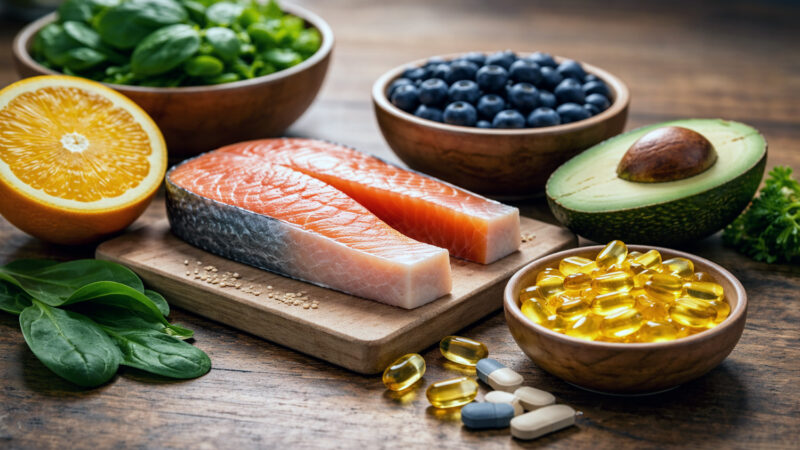
Technically, there’s no scientific definition of “superfood.” The term was created by marketers to describe foods rich in nutrients and antioxidants. Many superfoods – such as blueberries, salmon, kale, quinoa, and chia seeds – are indeed nutrient-dense and beneficial. However, experts emphasize that no single food can provide all the nutrients your body needs.
Science-Backed Benefits
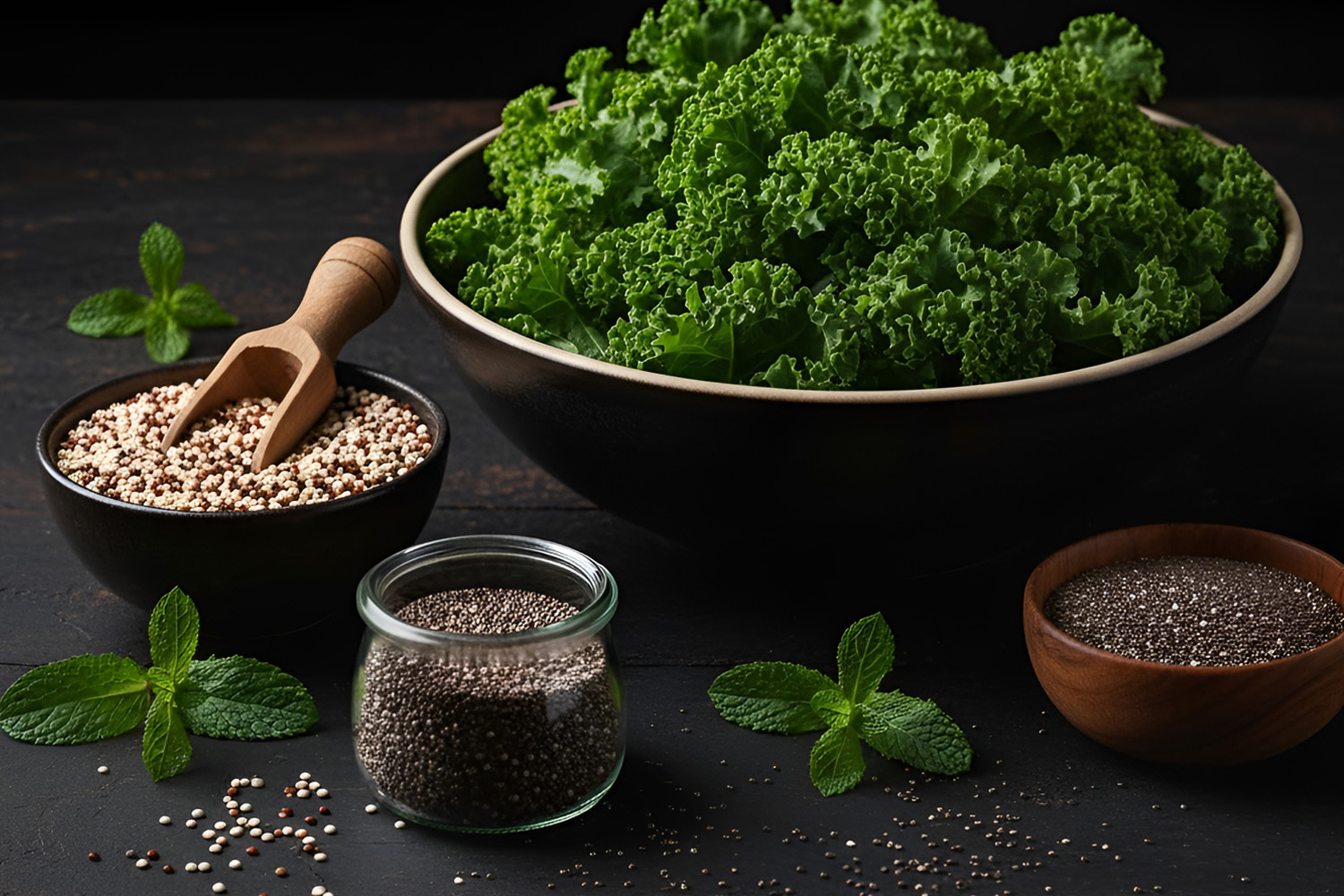
- Kale: Rich in vitamins A, C, and K, plus antioxidants like lutein and beta-carotene, kale supports eye health and immune function.
- Quinoa: A complete plant-based protein, quinoa contains all nine essential amino acids, along with fiber and minerals like magnesium and iron.
- Chia Seeds: Packed with omega-3 fatty acids, fiber, and calcium, chia seeds can improve digestion and heart health.
- Blueberries: Studies show blueberries may help reduce oxidative stress and support brain health due to their high anthocyanin content.
- Avocado: Full of healthy monounsaturated fats and potassium, avocados promote heart health and lower bad cholesterol levels.
The Myths Behind the Hype
While superfoods are healthy, their benefits are often overstated. For example, eating goji berries won’t cure cancer, and kale smoothies alone won’t detoxify your body. Nutritionists agree that health comes from a balanced diet that includes a wide variety of fruits, vegetables, proteins, and whole grains – not from focusing on a handful of “magic” foods.
How to Incorporate Superfoods Wisely
- Combine several nutrient-rich foods instead of relying on just one.
- Focus on whole, minimally processed ingredients.
- Pair superfoods with lifestyle habits like regular exercise, hydration, and sufficient sleep.
Conclusion
Superfoods are real – but not in the way advertising suggests. While foods like kale, quinoa, and chia seeds offer exceptional nutritional value, they’re most effective as part of a balanced, varied diet. In short, there’s no single food that can replace healthy eating habits – but adding more nutrient-dense choices is a great place to start.