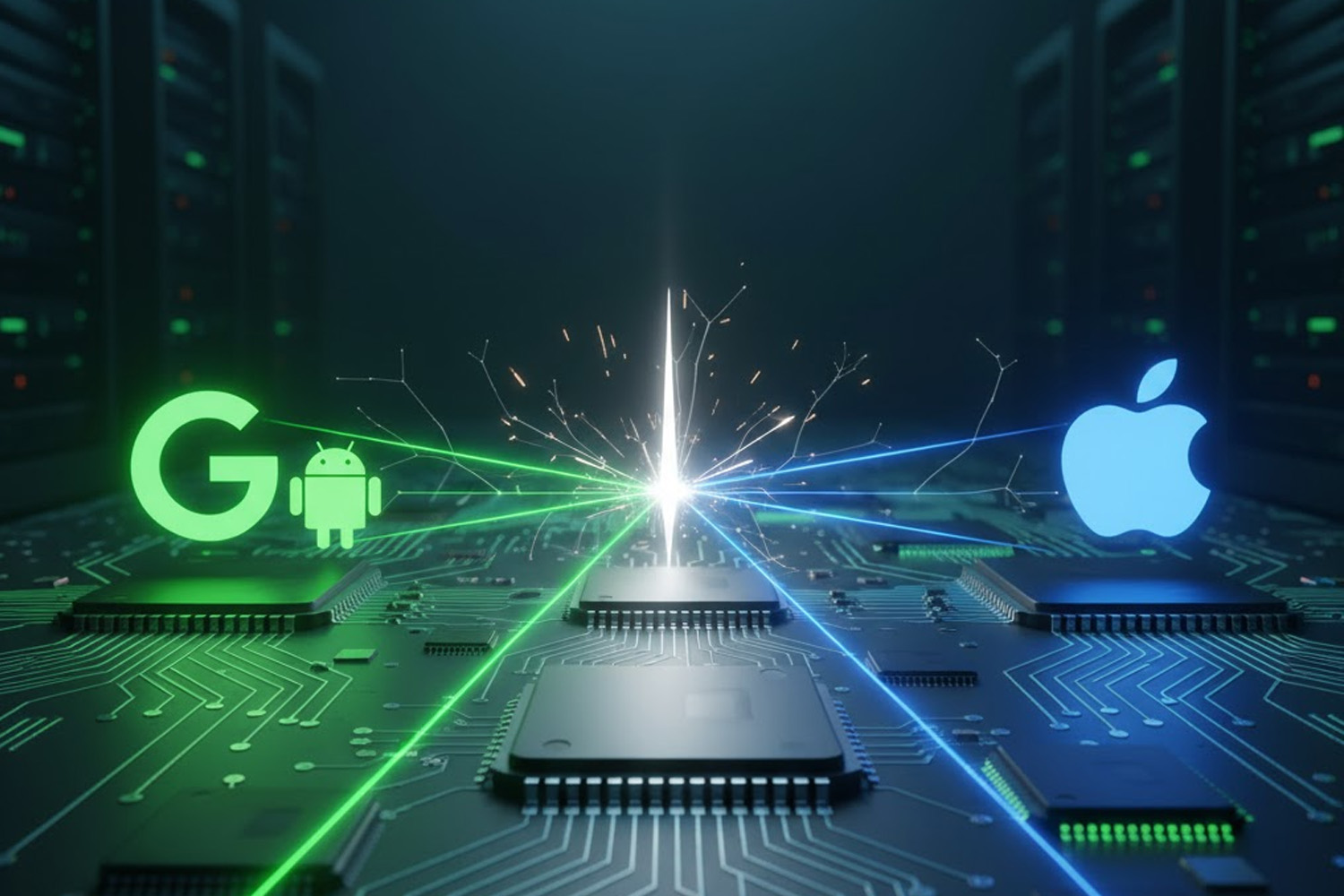
The debate over which mobile operating system is better – Android or iOS – has been ongoing for more than a decade. Both have evolved into mature, feature-rich ecosystems that dominate the global smartphone market. While Android powers the majority of devices worldwide, Apple’s iOS remains the preferred choice for many who value performance, privacy, and seamless integration with other Apple products.
Below is an accurate, balanced look at the advantages and disadvantages of both operating systems, based on verifiable information and current trends.
1. System Philosophy and Ecosystem
- iOS (Apple) is a closed ecosystem, meaning Apple tightly controls both the hardware (iPhone, iPad) and the software. This integration ensures stability, optimization, and security but also limits user freedom.
- Android, developed by Google, is an open-source platform. Manufacturers such as Samsung, Xiaomi, and OnePlus can customize it for their devices. This makes Android more flexible and diverse, but sometimes less uniform in quality and update speed.
Verdict: iOS offers a consistent, curated experience, while Android prioritizes openness and choice.
2. Customization and User Freedom
- Android is known for its high level of customization. Users can change launchers, icons, default apps, and even system behaviors. Developers and enthusiasts can modify or replace the operating system (via custom ROMs) – something nearly impossible on iOS.
- iOS has traditionally restricted such flexibility. Although Apple now allows limited customization (widgets, lock screen changes, app icons), it still remains far more restrictive.
Verdict: Android clearly wins in customization and user control.
3. Security and Privacy
- iOS is often praised for its strong security and privacy measures. Apple uses end-to-end encryption for iMessage and FaceTime, has strict App Store review processes, and limits background data collection.
- Android has improved significantly in security, with Google Play Protect and regular patches. However, because Android devices come from many manufacturers and often run older versions of the OS, they can be more vulnerable if updates aren’t timely.
Verdict: iOS has the edge in privacy and consistent security updates, but Android’s flexibility can appeal to advanced users who know how to manage security settings.
4. App Ecosystem and Availability
- Both Google Play Store and Apple App Store host millions of apps. Developers often release apps on both platforms, though many launch first on iOS due to its higher average user spending.
- Android users benefit from alternative app stores and the ability to sideload apps, but that freedom also increases risk of malware if apps come from unverified sources.
Verdict: iOS offers better app quality control, while Android offers more variety and freedom.
5. Performance and Optimization
- iOS devices are known for smooth, stable performance due to deep hardware-software integration. Apple designs its own chips (such as the A17 Pro) specifically for iPhones, leading to excellent efficiency and speed.
- Android performance varies by manufacturer. High-end models like Samsung Galaxy S24 Ultra or Google Pixel 9 Pro rival iPhones in speed, but cheaper devices may experience lag or slower updates.
Verdict: iOS is more consistent, but flagship Android phones can match or surpass Apple’s performance in many benchmarks.
6. Updates and Longevity
- Apple supports older iPhones with software updates for 5–6 years – far longer than most Android phones.
- Google and some premium Android brands now offer longer update policies (e.g., Samsung and Google both promise up to 7 years of Android updates starting with 2024–2025 models). However, lower-cost Android devices often stop receiving updates after 2–3 years.
Verdict: iOS remains more reliable for long-term software support, though Android is improving quickly.
7. Integration with Other Devices
- Apple’s ecosystem is unmatched for integration: iPhone, Mac, iPad, Apple Watch, and AirPods work together seamlessly via features like AirDrop, Handoff, iCloud, and Continuity.
- Android offers good integration with Google services (Gmail, Drive, Photos, Assistant) and now integrates better with Windows PCs and Chromebooks. Still, the experience varies depending on the manufacturer.
Verdict: iOS wins for ecosystem harmony, while Android wins for cross-platform flexibility.
8. Cost and Accessibility
- Android covers a vast price range – from budget phones under $150 to premium flagships over $1,000. This makes it accessible to nearly everyone.
- Apple devices are generally premium products, with higher prices but strong resale value and long-term performance.
Verdict: Android is more affordable and diverse; iOS offers premium quality at a higher cost.
9. Market Share
According to StatCounter (2025), Android currently holds around 70% of the global mobile OS market, while iOS accounts for about 28%. However, iOS dominates in North America, Japan, and Western Europe, reflecting Apple’s strong brand and ecosystem loyalty.
Conclusion
There’s no universal answer to which operating system is “better.”
- Choose iOS if you value security, simplicity, stability, and a premium ecosystem that “just works.”
- Choose Android if you prefer freedom, customization, affordability, and diversity of devices.
Both continue to evolve, borrowing features from each other and shaping the future of mobile technology. The best choice depends not on which is superior overall, but on what matters most to you as a user – control and flexibility, or consistency and integration.