Cities around the world are facing a growing clash over how people move: the long-standing dominance of car culture versus a push for sustainable, people-centered public transportation. This debate has intensified as governments confront congestion, pollution, climate goals, and widening social inequality tied to mobility access.
What’s happening
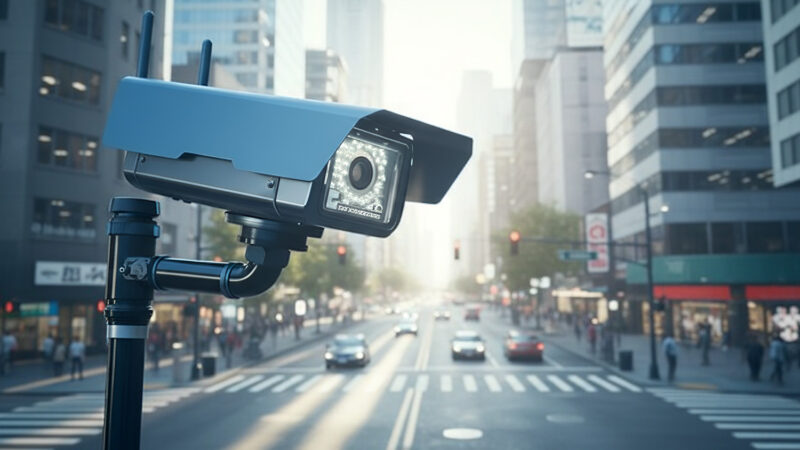
In recent years, many major cities have expanded investments in public transport, cycling infrastructure, and pedestrian zones while introducing measures that limit private car use, such as congestion charges, low-emission zones, or reduced parking. These policies are often met with resistance from drivers, small businesses, and residents who rely on cars due to limited alternatives. At the same time, transit agencies are struggling with funding gaps, aging infrastructure, and ridership patterns that have not fully returned to pre-pandemic levels in some regions.
Why it matters
Transportation is not just about movement-it is a core social and economic issue. Car-dependent systems tend to favor wealthier households that can afford vehicles, fuel, and parking, while lower-income communities often face longer commutes, fewer transit options, and higher exposure to pollution. Public transportation, when reliable and affordable, can improve access to jobs, education, and healthcare, helping reduce inequality.
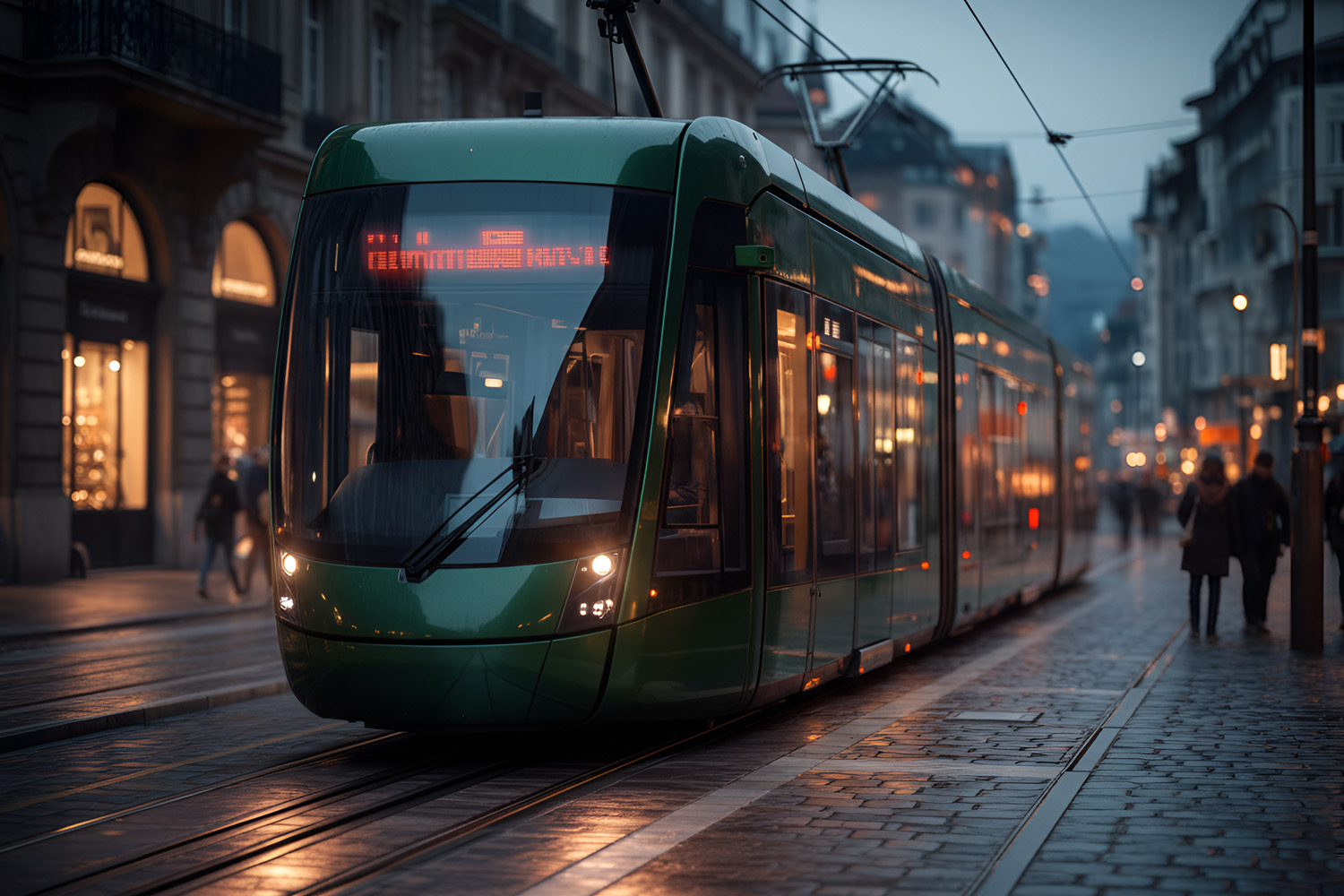
Environmental concerns add urgency to the debate. Road transport remains a major source of urban emissions and air pollution. Shifting trips from private cars to buses, trains, and trams is widely seen as one of the fastest ways cities can cut emissions while improving public health. However, critics argue that policies restricting cars can feel punitive if public transport alternatives are not fast, safe, and convenient.
Trend impact
The battle between car culture and sustainable cities is shaping long-term urban planning. Cities that successfully expand high-quality public transport and redesign streets for multiple users often see economic benefits, including increased foot traffic for local businesses and higher quality of life. At the same time, poorly planned transitions risk backlash, deepening mistrust between policymakers and residents.
Looking ahead, technology and data-driven planning are likely to play a bigger role, helping cities design fairer mobility systems. The central challenge will be balancing environmental goals with social equity-ensuring that sustainable transport policies do not leave behind the very communities they aim to help.