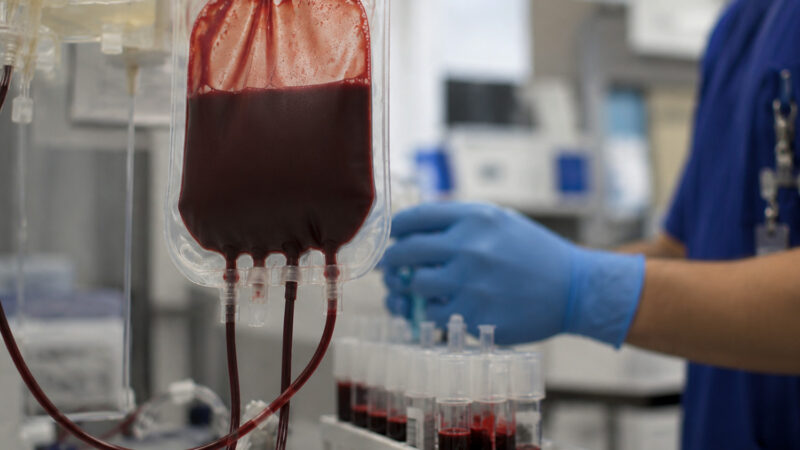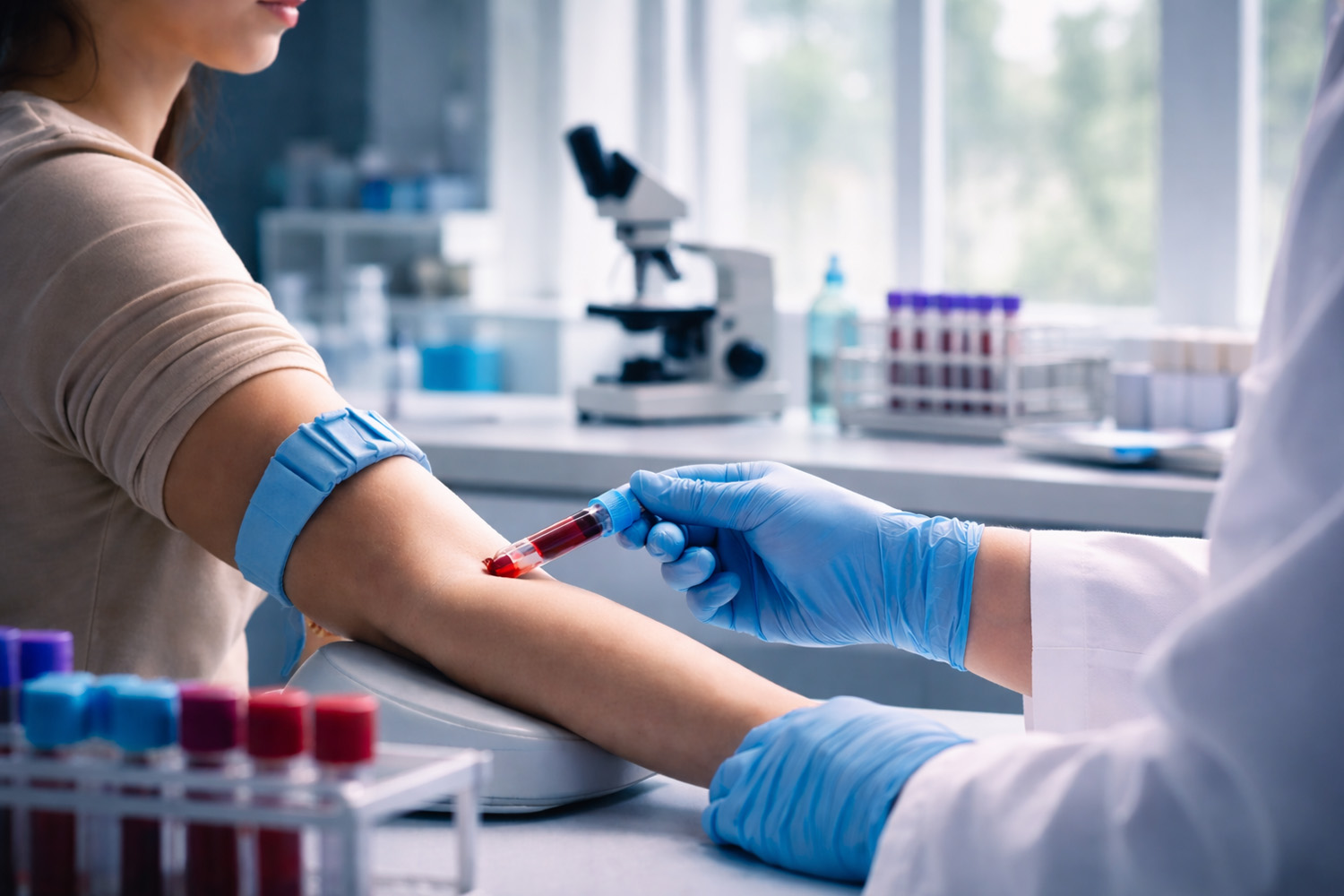
Blood-based tests for early cancer detection are emerging as one of the most promising frontiers in modern medicine, with the potential to fundamentally change how and when cancer is diagnosed. Often referred to as “liquid biopsies,” these tests analyze blood samples for biological signals linked to cancer, such as circulating tumor DNA (ctDNA), RNA fragments, or specific proteins released by tumors.
What’s happening
In recent years, multiple research groups and biotechnology companies have demonstrated that certain blood tests can identify cancer-related markers long before symptoms appear. Unlike traditional biopsies, which require invasive tissue sampling, blood tests are minimally invasive and can be repeated regularly. Some experimental tests are designed to detect multiple cancer types at once, raising the possibility of routine cancer screening through a single blood draw.
Why it matters
Early detection remains one of the most critical factors in cancer survival. Cancers diagnosed at an early stage are often far more treatable, with significantly higher survival rates and lower treatment costs. Current screening tools-such as mammograms, colonoscopies, and CT scans-are effective but limited to specific cancer types and often require complex infrastructure. Blood tests could complement or, in some cases, simplify existing screening programs, particularly for cancers that currently lack reliable early-detection methods, such as pancreatic or ovarian cancer.
Trend impact
The development of blood-based cancer screening reflects a broader shift toward precision medicine and preventive healthcare. Advances in genomic sequencing, artificial intelligence, and data analytics are making it possible to detect extremely small traces of cancer-related material in the bloodstream. However, challenges remain. Scientists continue to study how to improve accuracy, reduce false positives, and determine how these tests should be used in real-world healthcare systems. Regulators and clinicians are also debating how positive results should be followed up to avoid unnecessary anxiety or procedures.
Despite these hurdles, the momentum behind early cancer detection through blood tests is growing. As research progresses and validation studies expand, liquid biopsies could become a powerful tool for identifying cancer earlier, improving outcomes, and shifting healthcare systems toward proactive, rather than reactive, treatment strategies.