Wearable technology has evolved from simple fitness trackers into an important part of modern medical monitoring. Today, wearable devices are increasingly used in healthcare to collect continuous health data, support early diagnosis, and enable remote patient care, changing how medicine is practiced and delivered.
Continuous Health Monitoring
Traditional healthcare relies on periodic checkups, which provide only limited snapshots of a patient’s condition. Wearable devices allow continuous monitoring of vital signs such as heart rate, physical activity, sleep patterns, and blood oxygen levels. This ongoing data collection helps reveal trends and irregularities that may not be visible during occasional medical visits.
Early Detection and Risk Identification
One of the most valuable benefits of medical wearables is their ability to support early detection. Abnormal heart rhythms, changes in sleep quality, or sudden drops in activity can signal potential health issues. Identifying these changes early allows patients and healthcare providers to act sooner, improving outcomes and reducing complications.
Remote Patient Monitoring
Wearable devices enable remote patient monitoring, allowing doctors to follow patients’ health outside hospitals and clinics. This is especially useful for people with chronic conditions such as cardiovascular disease, diabetes, or respiratory disorders. Remote monitoring can reduce hospital visits while maintaining medical supervision and continuity of care.
Personalized and Data-Driven Healthcare
By collecting real-world health data, wearables help doctors tailor treatment plans to individual patients. Instead of relying solely on self-reported symptoms, clinicians can use objective data to adjust medications, evaluate therapy effectiveness, and better understand daily health patterns.
Patient Engagement and Preventive Care
Wearable devices also increase patient involvement in healthcare. Real-time feedback encourages healthier behavior and improves adherence to treatment plans. This shift supports preventive medicine, where health risks are managed before they develop into serious conditions.
Challenges and Limitations
Despite their potential, wearable devices present challenges. Not all devices meet clinical accuracy standards, and data privacy and security remain major concerns. Clear regulatory oversight and proper validation are essential to ensure that wearable health data can be safely and effectively used in medical decision-making.
Medical-Grade Wearable Devices Used in Healthcare
It is important to distinguish between consumer fitness devices and medical-grade wearables, which are designed or certified for clinical use. Below are examples of wearable devices commonly used for medical monitoring:
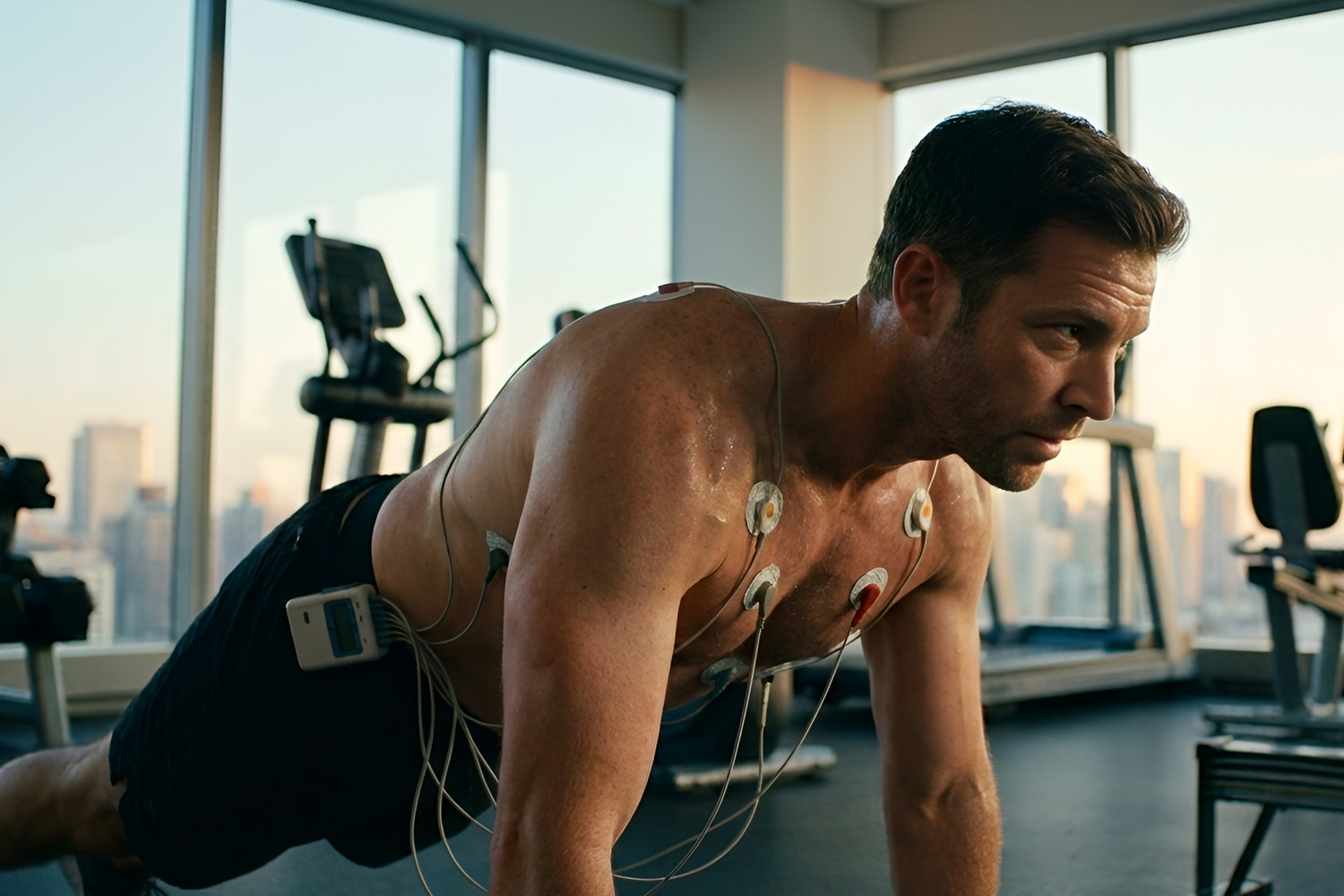
- Holter monitors – Portable devices used to continuously record heart activity over 24–48 hours or longer
- ECG patch monitors (such as wearable cardiac patches) – Used for long-term heart rhythm monitoring
- Continuous glucose monitors (CGMs) – Worn on the body to track glucose levels in people with diabetes
- Medical-grade pulse oximeters – Used to monitor blood oxygen saturation
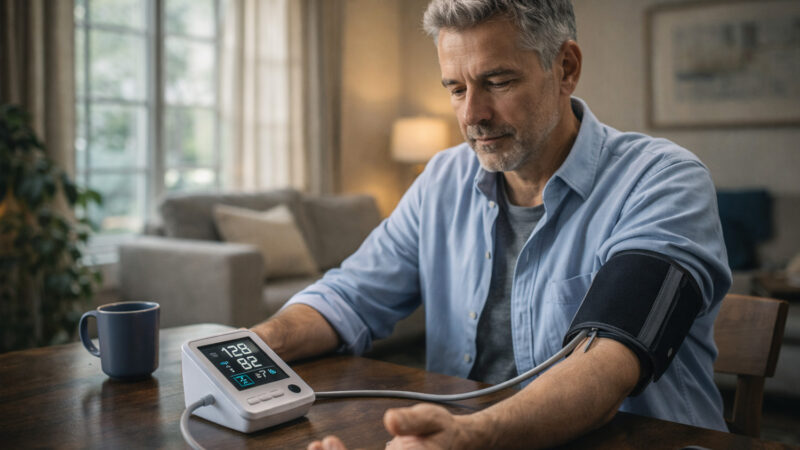
- Blood pressure wearables – Devices designed to measure blood pressure continuously or on demand
- Sleep monitoring devices (clinical-grade) – Used to assess sleep disorders such as sleep apnea
- Wearable EEG devices – Used in limited clinical and research settings to monitor brain activity
These devices are typically prescribed or recommended by healthcare professionals and are subject to medical standards and regulatory approval.