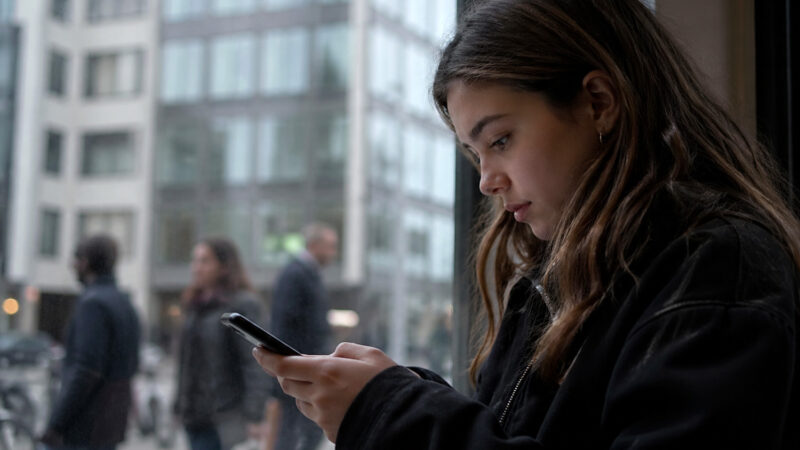
Why Social Media Bans for Minors Are Spreading
Concerns over children’s mental health, online safety, and exposure to harmful content have prompted several governments in 2025 to consider or enact laws restricting social media for minors under 16. These moves reflect growing unease with addictive features, data privacy, and the potential long-term impacts of early social media exposure.
Advocates argue these restrictions help protect youths from cyberbullying, online predators, harmful content, and digital addiction. Critics caution that bans may limit social interaction and freedom of expression, or push teens toward unregulated or less-supervised platforms.
Countries Where New Regulations Are Already in Motion or Proposed
Australia – First to Ban Under-16s from Major Social Media
- On 29 November 2024, Australia passed the Online Safety Amendment Act 2024, mandating that major social media platforms block users under 16.
- The law comes into full effect on 10 December 2025. Platforms such as Facebook, Instagram, TikTok, Snapchat, X, Reddit, YouTube, Threads, Twitch and Kick must deactivate accounts belonging to under-16s or face fines up to AUD 49.5 million.
- Platforms not currently on the restricted list – such as YouTube Kids, WhatsApp, and other apps – may still be monitored for future inclusion.
Denmark – Planning Age Limit at 15
- In November 2025, Denmark’s government announced plans to ban social media access for children under 15. Under some conditions, parental consent could allow children aged 13 and older to use certain platforms.
- The proposal covers major platforms like Snapchat, YouTube, Instagram, and TikTok. It is described as one of Europe’s most ambitious efforts to digital-protect children.
European Parliament (EU) – Push for EU-Wide Minimum Age of 16
- On 26 November 2025, the Parliament adopted a non-binding resolution calling for a digital minimum age of 16 for social media, video-sharing platforms, and AI assistants. Parental consent would allow reduced age to 13.
- The measure would harmonize social media access rules across the EU, making regulations consistent among member states.
Malaysia – Plans to Ban Under-16s Starting 2026
- In November 2025, the Malaysian government announced a plan to implement a nationwide ban on social media for individuals under 16, beginning in 2026. The decision aims to curb online risks such as cyberbullying, scam, and child exploitation.
- The government cited precedents set by Australia and growing global pressure to regulate youth access to social media.
Other Countries & Discussions
- Some nations – for example Papua New Guinea – are reportedly considering age-verification policies or restrictions, though concrete laws have not yet been enacted.
What to Expect – Trends and Challenges Ahead
- More countries likely to follow suit. As 2025 sees significant legislation from Australia, EU bodies, Denmark, and Malaysia, the trend points toward broader international adoption of minimum-age social media laws.
- Legal and enforcement challenges. In Australia, for example, advocacy groups have already filed lawsuits arguing the ban violates constitutional rights to communication.
- Pushback on implementation. Age verification is technically difficult; reliance on parental consent or identity verification raises privacy and data-protection questions.
- Possible unintended effects. Critics warn minors may turn to unregulated messaging apps, underground platforms, or use VPNs – reducing safety oversight and parental control.
- Need for balanced solutions. Many experts argue that rather than outright bans, a combination of stronger age verification, parental controls, better education, and regulation of harmful content might produce better outcomes.
Conclusion
The move to ban or restrict social media access for children under 16 is rapidly gaining momentum worldwide. With Australia’s law coming into force in December 2025, and legislative proposals advancing in Europe, Denmark, and Malaysia, the digital landscape for minors may look very different in the coming years. As governments act to protect youth from online risks, enforcing these laws – while preserving digital rights, privacy, and access – will be the key challenge ahead.