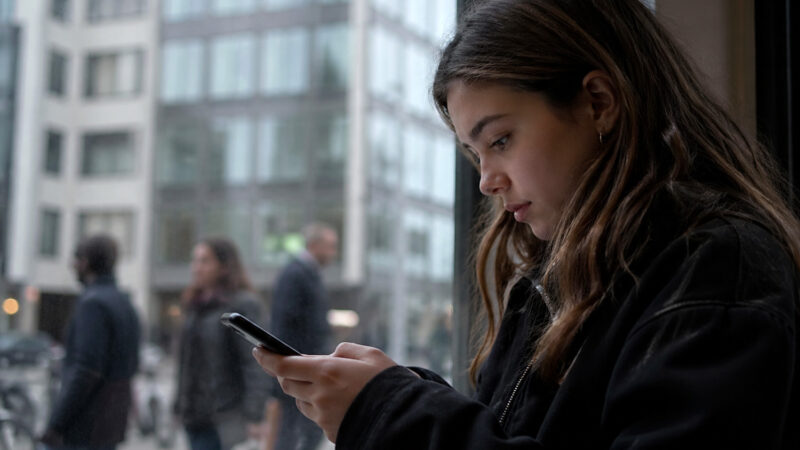
Despite the idea that cities bring people together, 2025 data shows a troubling trend: many residents of large urban centres feel lonelier and more isolated than ever. Cities, by size and population, promise connection-but they increasingly deliver the opposite.
The scale of the problem
Recent surveys indicate that loneliness is not just a rural or remote-area issue. In the United States, metropolitan regions such as Riverside, Detroit, Atlanta and Seattle reported some of the highest shares of adult loneliness in a 2024 Census-derived dataset.
Globally, the World Cities Culture Forum attributes urban loneliness to factors including housing inequality, transient populations and the proliferation of digital lifestyles, all of which undermine meaningful interpersonal ties.
According to the World Health Organization (WHO), about one in six people worldwide experience loneliness, and the condition is increasingly recognised as a serious public-health issue affecting mental and physical wellbeing.
Why cities can feel lonely
- Density without connection: Being surrounded by millions does not guarantee deep bonds. Research shows that while people may live in close proximity, meaningful social connections require time and shared experience-not just space.
- Transient populations & mobility: Large cities often have high turnover of residents-students, professionals, migrants-making long-term social networks harder to form.
- Digital culture & isolation: While technology connects us online, it can reduce face-to-face interactions. Many urban dwellers rely on digital relationships that may lack the emotional depth of traditional community ties.
- Urban design & infrastructure: Studies suggest that urban layout, lack of communal spaces, car-dependence and neighbourhood segregation reduce incidental social encounters and inhibit relationship building.
- Work-life imbalance & stress: The fast pace of city life, long commutes, cost pressures and competition can leave little time or energy for socialising-leading to isolation even among those surrounded by people.
Who is most affected?
While loneliness affects all age groups, certain individuals in urban environments are more vulnerable:
- Young adults who move alone to a city, seeking new connections but finding few.
- Older adults living in high-rise apartments or suburbs of large cities, facing mobility or accessibility issues.
- Single-person households, especially in dense metropolitan areas with lesser neighbourhood cohesion. In Seoul, for example, nearly 40 % of homes are single-person households-a factor tied to rising loneliness.
Why it matters
Loneliness is more than a feeling-it has measurable impacts on health and society. The WHO links social isolation and loneliness to increased risks of depression, heart disease, cognitive decline and even mortality.
From a societal perspective, when large segments of the urban population feel disconnected, neighbourhood cohesion, civic engagement and mental-health outcomes all suffer.
What cities can do
- Design for connection: Cities can prioritise public spaces, communal facilities, walkability and neighbourhood amenities that foster casual social interaction.
- Promote third-places: Cafes, libraries, community centres and cultural spaces act as hubs where urban dwellers can meet others and build meaningful ties.
- Leverage technology wisely: While digital tools can help, they cannot replace in-person connection. Urban policy should encourage both tech access and real-world interaction.
- Support transitional residents: Newcomers to cities benefit from social programmes that ease integration, such as community groups, mentorship and local networks.
- Consider vulnerable groups: Urban planning must address older adults, single-household residents and neighbourhoods with high population turnover, offering accessible social infrastructure.
In conclusion: In 2025, urban loneliness stands as a paradox of modern city life. While cities offer opportunity and population, they often lack the stable social fabric and deep-connection networks that sustain community wellbeing. Recognising the challenge-and how modern lifestyles, digital culture and urban design contribute-is the first step. The next is ensuring that cities are crafted not just for density, but for connection.